8 Warning Signs of Serious Issues Behind Your Bloating You Can’t Ignore!
8 Warning Signs of Serious Issues Behind Your Bloating You Can’t Ignore
Bloating can be a frustrating experience, leaving you feeling uncomfortable and self-conscious. Many people dismiss it as a minor issue, but if it persists or worsens, you may find yourself searching for answers. It’s essential to pay attention to your body, as there can be underlying causes that need addressing. Let’s explore the intricacies of bloating and what serious signs to watch for.
Understanding Bloating
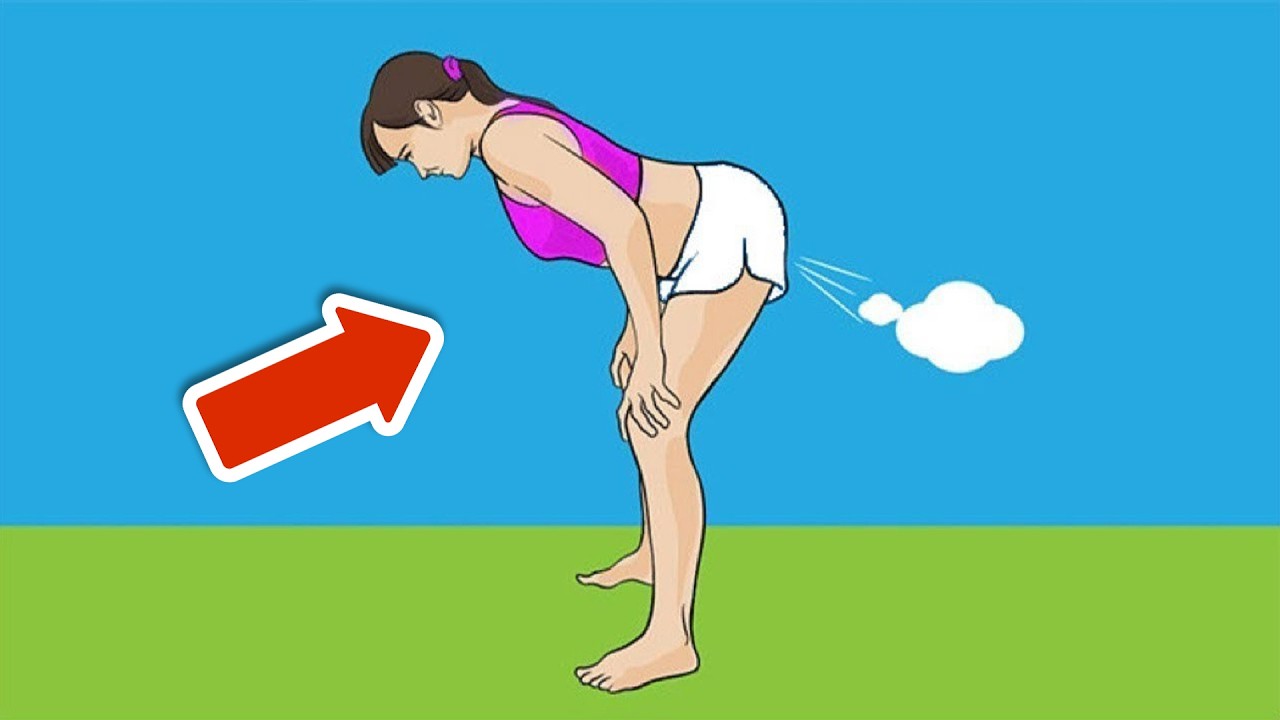
Bloating is often described as a feeling of fullness or tightness in the abdomen. It may occur after eating, with some experiencing it daily while others encounter it sporadically. Understanding bloating is the first step in addressing potential concerns.
What Causes Bloating?
Bloating is commonly linked to the digestive process. When gas builds up in your intestines, it can create that uncomfortable feeling. Certain foods and habits can exacerbate this issue, making it crucial to identify what may be triggering your bloating.
Is Bloating Always a Concern?
While occasional bloating can be normal, persistent or severe bloating might signal something more significant. It’s essential to recognize when a simple digestive issue transforms into a medical concern.
Common Causes of Bloating
Several factors can lead to bloating. By identifying them, you can take steps to minimize your discomfort.
Dietary Choices
- High-fiber foods: While they are good for digestion, sudden increases can lead to gas.
- Dairy products: Lactose intolerance can trigger bloating for many individuals.
- Carbonated beverages: They introduce excess gas into your digestive system.
Eating Habits
- Eating too quickly: It can lead to swallowing air, contributing to bloating.
- Overeating: Consuming large portions may overwhelm your digestive system.
Warning Signs to Watch For
Recognizing the warning signs associated with persistent bloating is vital for your health. Here are some crucial symptoms to monitor:
1. Persistent Pain
If you experience ongoing abdominal pain along with your bloating, it’s essential to consult a healthcare provider. This could indicate underlying conditions such as irritable bowel syndrome (IBS) or more serious issues.
2. Significant Changes in Weight
Unexplained weight loss or gain can signal a problem. If your bloating is accompanied by these changes, it’s worth seeking medical advice.
3. Changes in Bowel Habits
Are you experiencing more frequent diarrhea or constipation? Changes in your bowel patterns along with bloating could indicate digestive disorders.
4. Blood in Stool or Vomiting
Seeing blood is never a good sign. If you experience bleeding, it’s crucial to get immediate medical attention.
5. Swelling in Other Parts of the Body
If your bloating is accompanied by swelling in your feet, ankles, or elsewhere, it may denote a more serious health issue requiring evaluation.
Mistakes to Avoid
While managing bloating, it’s easy to make a few common mistakes that could either worsen your discomfort or prevent effective resolution. Here are some to keep in mind:
- Ignoring persistent symptoms: Don’t brush off ongoing bloating; seek professional help.
- Self-diagnosing: Relying solely on online resources can lead to misunderstandings about your health.
- Neglecting dietary changes: Avoid making abrupt changes without guidance; this can create more digestive issues.
FAQs
1. What can I do to alleviate bloating?
Maintain a food journal, identify triggers, and consider gentle digestive aids. Regular exercise and staying hydrated can also help.
2. When should I consult a doctor about bloating?
If your bloating is severe, persistent, or accompanied by other concerning symptoms, it’s advisable to see a healthcare professional for evaluation.
3. Can lifestyle choices impact bloating?
Yes, factors like diet, stress levels, and eating habits can significantly influence bloating symptoms.
Conclusion
Awareness of your body and its signals is crucial in managing bloating effectively. If you notice any of the concerning symptoms mentioned, don’t hesitate to seek medical advice. Have you experienced bloating that has led to deeper health investigations?