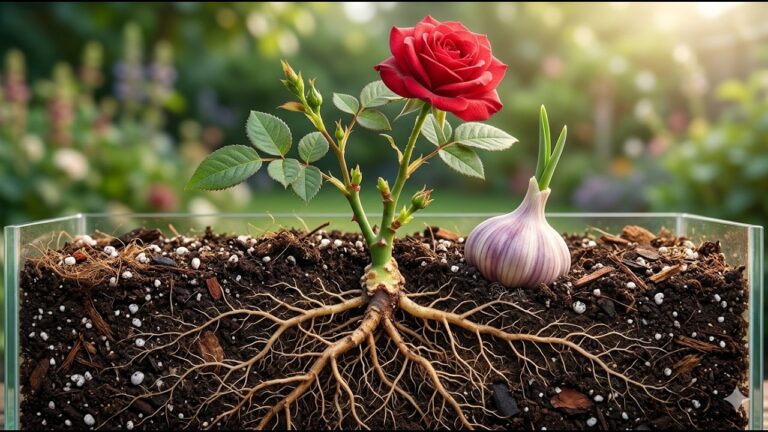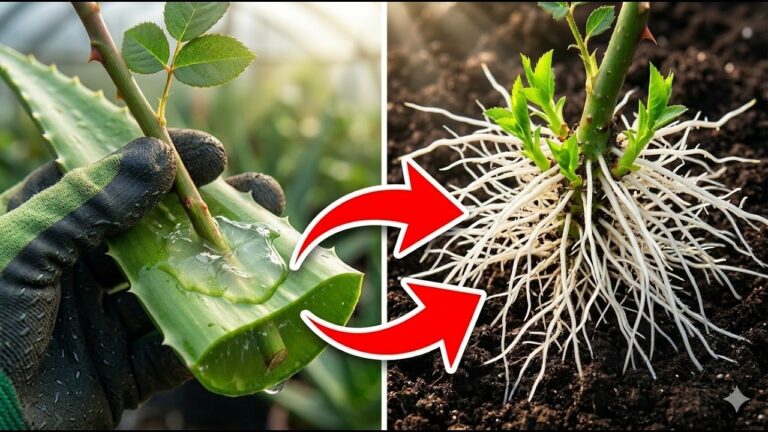
Root 5 Rose Cuttings Quickly for a Blooming Garden in Just One Cup!
Root Rose Cuttings Quickly for a Blooming Garden in Just One Cup!
- Introduction
- Why Root Your Rose Cuttings?
- Materials Needed
- Step-by-Step Instructions
- Common Mistakes to Avoid
- FAQ
- Conclusion
Introduction
You may find yourself admiring a neighbor’s flourishing rose garden, wishing you too could nurture such vibrant blooms. Starting rose cuttings can seem like a daunting task, especially if you’re unsure how to ensure they thrive. Many factors come into play—from the type of cutting you take to how you care for it afterwards. This guide will walk you through the simple steps to root rose cuttings efficiently, ensuring you have lush roses in your own garden soon.
Why Root Your Rose Cuttings?
Understanding the benefits of rooting rose cuttings can help you appreciate this gardening task further. Here are a few compelling reasons to get started:
- Cost-effective: Instead of purchasing new plants, you can multiply your existing roses.
- Preservation: Keep your favorite varieties, even if they’re hard to find.
- Personal satisfaction: There’s joy in nurturing plants from cuttings and watching them grow.
Benefits of Growing Roses from Cuttings
Growing roses from cuttings not only allows you to expand your garden but also to experiment with different varieties. You can customize your garden based on what you love, leading to a personalized outdoor space that brings you joy.
Season Considerations
The best time to take rose cuttings is during the late spring to early summer when the plants are actively growing. This timing helps ensure a higher success rate for rooting.
Materials Needed
Gathering the right supplies before you start will streamline the process. Here’s what you’ll need:
- Healthy rose plants for cuttings
- A clean, sharp pair of garden shears
- Small pots or a cup for planting
- Potting soil or a soil-less mix
- Water
- Optional: rooting hormone
- Plastic bag or clear plastic wrap
Understanding the Role of Each Material
Using healthy cuttings is essential for success. Ensure your shears are clean to prevent disease transfer. A rooting hormone can boost your chances of success, while the plastic bag aids in maintaining moisture around the cuttings.
Step-by-Step Instructions
Now that you have your materials ready, follow these steps to root rose cuttings effectively:
1. Take Cuttings
- Choose healthy stems with at least two nodes.
- Make a clean cut just below a node using your shears.
- Remove any leaves from the lower half of the cutting.
2. Prepare the Cuttings
- Dip the cut end in rooting hormone if using.
- Plant it in your pot filled with potting soil or soil-less mix.
- Water the soil gently, ensuring it is moist but not soggy.
3. Create a Humid Environment
- Cover the pot with a plastic bag to retain humidity.
- Make sure the bag doesn’t touch the leaves.
- Place your pot in a warm location with indirect sunlight.
4. Monitor Root Development
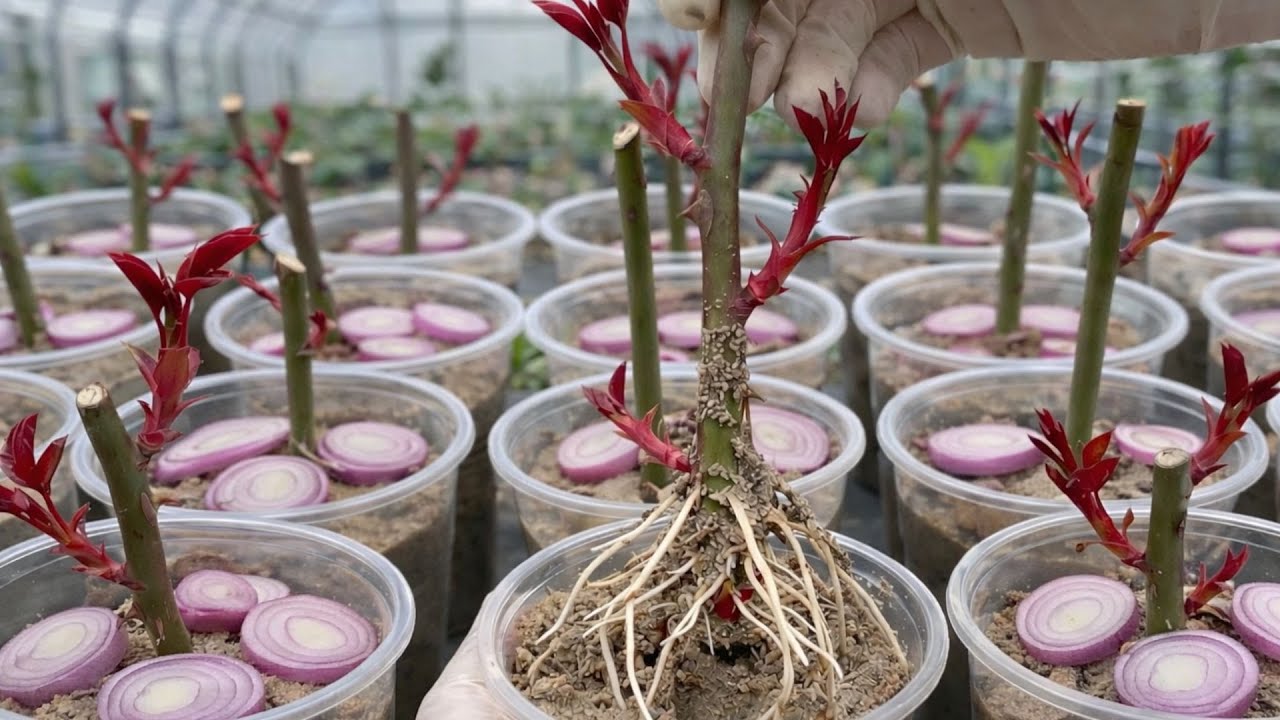
Keep an eye on your cuttings, removing the cover occasionally to prevent mold. After a few weeks, gently tug on the cuttings to feel for resistance as roots start to form.
Common Mistakes to Avoid
While rooting rose cuttings is a simple process, avoiding common pitfalls can significantly boost your success:
- Choosing unhealthy or old stems can lead to failure.
- Overwatering leads to rot; ensure proper drainage.
- Neglecting to cover cuttings can dry them out.
- Planting too deeply may hinder growth; bury only the lower nodes.
- Using too much rooting hormone can damage the cutting.
FAQ
What type of rose is best for cuttings?
Hybrid tea roses and floribunda roses are popular choices due to their vigorous growth and adaptability.
How long does it take for rose cuttings to root?
Typically, it takes about 4 to 8 weeks for rose cuttings to develop roots, depending on the variety and conditions.
Can I root cuttings in water?
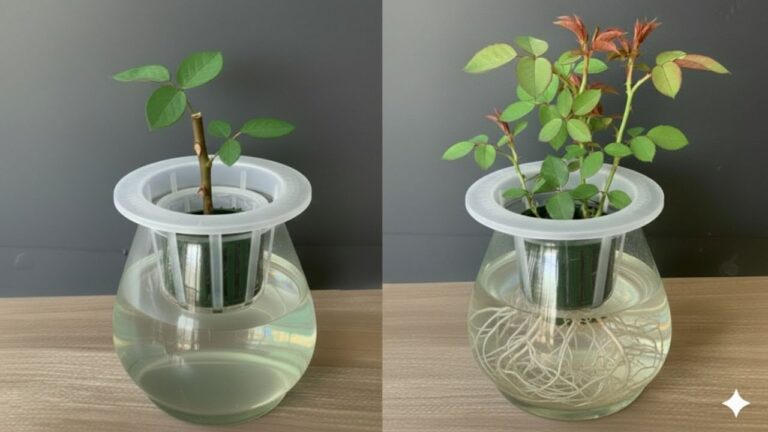
Yes, you can root cuttings in water, but transferring them to soil once roots develop is necessary for healthy growth.
Conclusion
Rooting rose cuttings is a rewarding process that can enhance your garden beautifully. With the proper approach and attention, your blooming roses will soon thrive. What rose variety are you most excited to grow? Share your thoughts in the comments!