Heal Your Gut in 5 Easy Steps to Combat Illness and Boost Your Health!
Heal Your Gut: 5 Simple Steps to Improve Your Health
- Understanding Gut Health
- Building a Healthy Diet
- Incorporating Natural Remedies
- Staying Hydrated
- Common Mistakes to Avoid
- FAQ
Many people experience digestive discomfort, low energy, or recurring illnesses that can often be traced back to gut health. While you may be aware that your gut plays a crucial role in your overall well-being, discovering how to truly support it can feel overwhelming. Understanding the steps to take for a healthier gut can empower you in your health journey. Keep reading to explore practical ways to enhance your gut health.
Understanding Gut Health
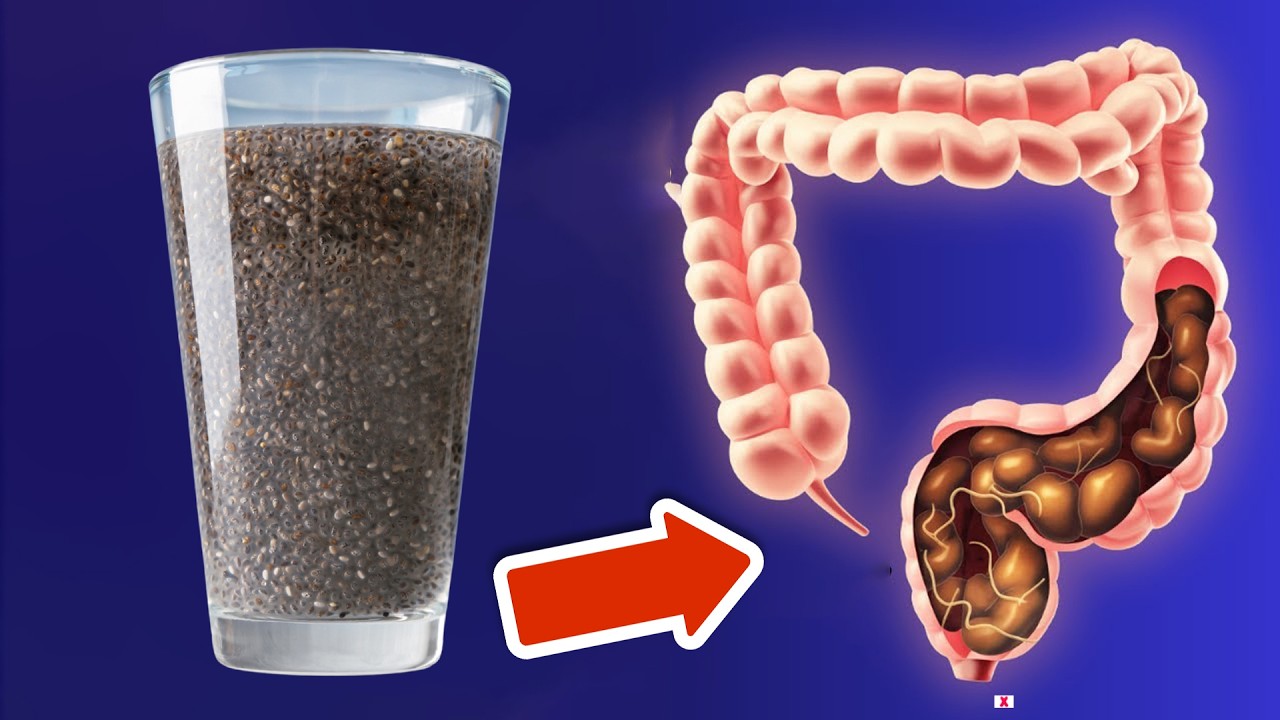
Your gut microbiome is made up of trillions of bacteria that play a central role in digestion, immunity, and even mood regulation. When this balance is disrupted, it can lead to various health issues, including obesity, autoimmune diseases, and digestive disorders.
Importance of Gut Flora
A diverse range of gut flora contributes to optimal health. The bacteria in your gut help break down food, absorb nutrients, and combat harmful pathogens. Hence, maintaining a healthy microbiome is vital for overall wellness.
Signs of an Unhealthy Gut
- Frequent bloating or gas
- Digestive disorders like constipation or diarrhea
- Unexplained weight changes
- Food intolerances
Building a Healthy Diet
One of the most significant steps you can take to improve your gut health is through a nutrient-rich diet. This will support the growth of beneficial gut bacteria, helping you feel better overall.
Focus on Whole Foods
- Include a variety of fruits and vegetables. Aim for colorful options to ensure a broad spectrum of nutrients.
- Incorporate whole grains like brown rice and quinoa, which provide essential fiber.
- Add fermentable fibers such as oats and legumes, which promote good bacteria.
Limit Processed Foods
Processed foods can negatively affect your gut health due to high sugar and unhealthy fat content. Try to minimize the intake of artificial additives and preservatives in your diet.
Incorporating Natural Remedies
Natural remedies can further support gut healing and enhance your well-being. Consider the following options:
Probiotics
Probiotics are live bacteria that help restore balance in your gut. Incorporating foods like yogurt, kefir, or fermented vegetables can be beneficial. If you opt for supplements, ensure you choose a high-quality product.
Herbal Teas
Certain herbal teas, such as ginger or peppermint, may aid digestion and calm an upset stomach. Brewing a warm cup can be comforting after meals.
Staying Hydrated
Hydration is often overlooked but is key to good gut health. Drinking sufficient water helps maintain the mucosal lining of the intestines and prevents constipation.
How Much Water Do You Need?
- The general recommendation is about 8 glasses (64 ounces) of water daily, but this can vary based on activity levels and climate.
- Additionally, include water-rich foods like cucumbers, oranges, and watermelon in your diet.
Signs of Dehydration
- Dry mouth or skin
- Fatigue or dizziness
- Less frequent urination
Common Mistakes to Avoid
While working on your gut health, be mindful of these common mistakes:
- Neglecting fiber intake: A low-fiber diet can hinder the growth of healthy gut bacteria.
- Overusing antibiotics: While they are necessary for infections, overuse can disturb gut flora balance.
- Ignoring stress management: Chronic stress can significantly impact gut health, so practices like meditation may help.
FAQ
What are the best foods for gut health?
Foods rich in fiber, along with fermented options like yogurt, sauerkraut, and kimchi, are excellent for gut health. Whole grains and a variety of fruits and vegetables also play a vital role.
How long does it take to heal your gut?
The time it takes to heal your gut can vary based on individual circumstances, but many people start to notice improvements within a few weeks of making dietary and lifestyle changes.
Can stress affect gut health?
Yes, stress can have a profound impact on gut health, leading to symptoms such as bloating and digestive issues. Incorporating stress-reducing activities can promote balance.
Incorporating these steps into your routine can pave the way for a healthier gut and, in turn, a healthier you. What are some changes you’re considering for your gut health journey? Feel free to share in the comments!