Discover 2 Easy Methods to Propagate Mango Plants at Home Today!
2 Easy Methods to Propagate Mango Plants at Home
- Introduction
- Method 1: Propagation from Seeds
- Method 2: Propagation from Cuttings
- Common Mistakes to Avoid
- FAQ
- Conclusion
Introduction
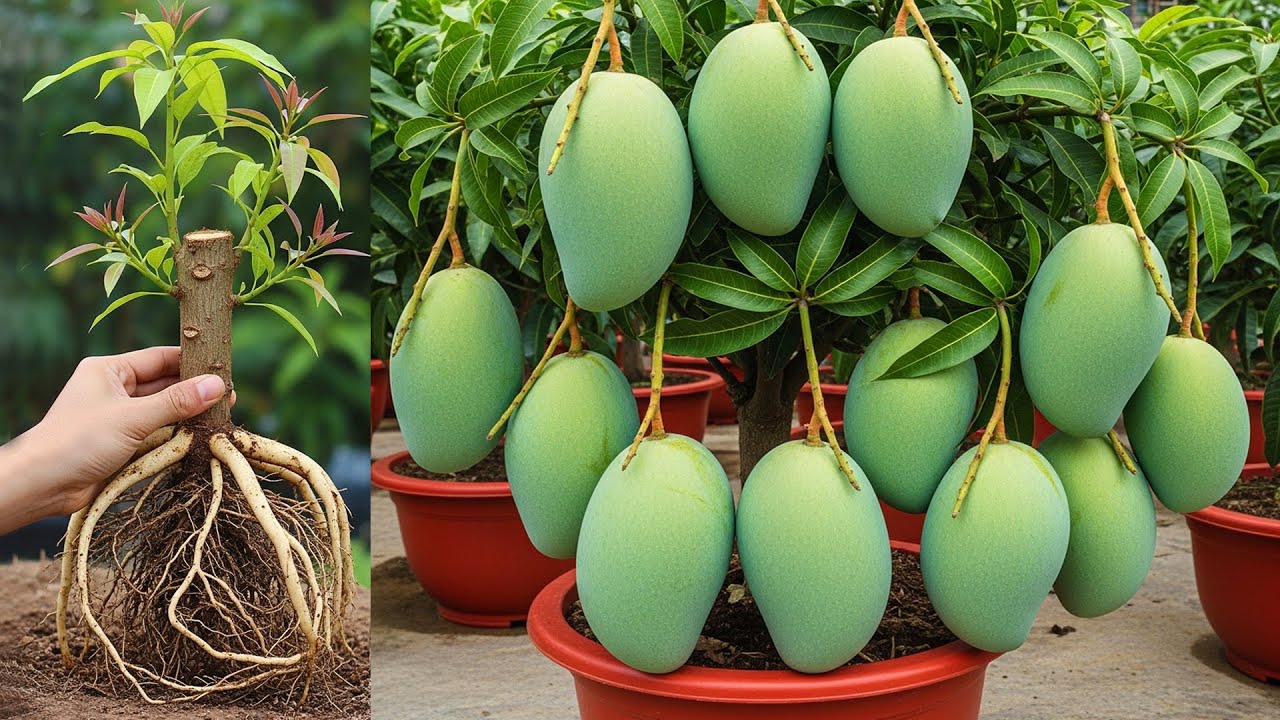
Picture yourself enjoying a ripe, juicy mango, savoring its sweet flavor. Have you ever thought about growing your very own mango tree? While the idea may seem daunting, propagating mango plants at home can be a delightful and rewarding experience. There are a couple of straightforward methods you can use to nurture these beautiful trees right in your garden or yard. Read on to discover how you can start your very own mango propagation journey.
Method 1: Propagation from Seeds
Using seeds is one of the simplest ways to propagate mango plants. Follow these steps to grow your own mango tree from its seeds.
Required Materials
- Fresh mango seed
- Potting soil
- Plastic bag
- Container with drainage holes
Steps to Follow
- Remove the mango seed from the fruit carefully, avoiding any damage.
- Wash the seed to remove any pulp, and let it dry for a day.
- Wrap the seed in a damp paper towel and place it in a plastic bag to create a warm environment.
- After a week or two, you should see a sprout. When the sprout is about 4 inches long, move to the next step.
- Plant the sprouted seed in a container filled with potting soil, leaving half of the seed above the soil surface.
- Water lightly, keeping the soil moist but not soggy, and place it in a sunny spot.
Practical Tips
Consider using a container that allows for proper drainage to avoid root rot. Keeping the plant in a well-lit area will help it thrive. Also, be patient; mango seeds can take several weeks to germinate.
Method 2: Propagation from Cuttings
Another effective method for propagating mango trees is through cuttings. This method can yield quicker results compared to seeds.
Required Materials
- Healthy mango plant
- Sharp knife or pruning shears
- Rooting hormone (optional)
- Potting soil
- Container
Steps to Follow
- Select a healthy branch from an existing mango tree, ideally with some leaves.
- Cut a piece that is about 6 inches long, making the cut just below a leaf node.
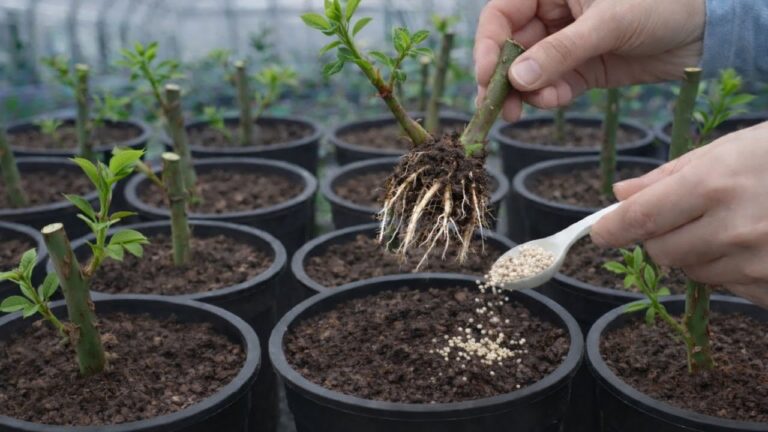
- Dip the cut end into rooting hormone if available, to encourage root development.
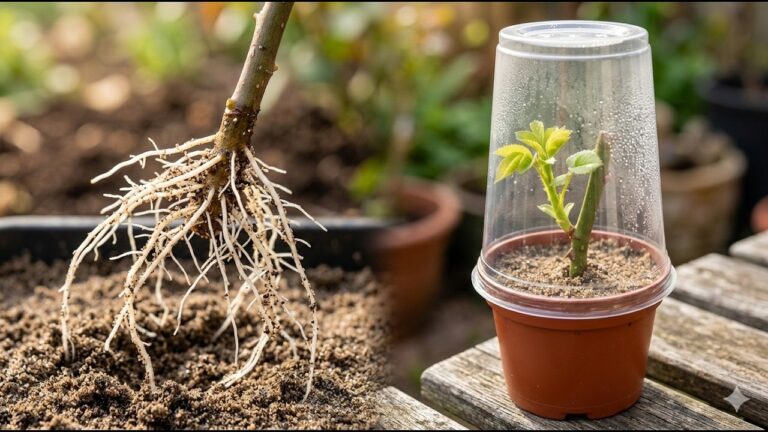
- Plant the cutting in a container filled with moistened potting soil, ensuring the cut end is buried.
- Cover the container with a plastic bag to maintain humidity, and place it in a warm, bright location.
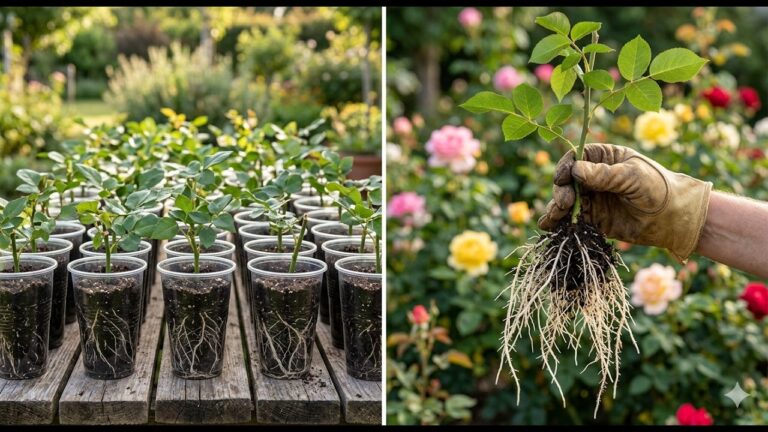
- A few weeks later, check for roots by gently tugging at the cutting.
Practical Tips
Keeping the cutting consistently moist is essential. You can also use a heat mat under the container to encourage root development. Once established, remove the plastic cover gradually to acclimatize the plant.
Common Mistakes to Avoid
When propagating mango plants, consider these common pitfalls to ensure success.
- Overwatering can lead to root rot, especially in seedlings.
- Using soil that drains poorly may prevent roots from developing properly.
- Neglecting to provide sufficient light can stunt growth and weaken seedlings.
- Getting too eager to transplant cuttings before they’ve established enough roots can lead to failure.
- Using old or damaged seeds can hinder germination and growth.
FAQ
How long does it take to grow a mango tree from seed? It generally takes about 3 to 6 years for a mango tree to bear fruit when grown from a seed.
Can I propagate mango from store-bought fruit? Yes, as long as the mango seed is fresh and healthy, it can be used for propagation.
What are the ideal conditions for mango propagation? Mango plants thrive in warm temperatures and require plenty of sunlight and well-drained soil.
Conclusion
Propagating mango plants at home is an enjoyable and rewarding project that connects you with nature. Whether you choose to start with seeds or cuttings, following the right steps will pave the way for healthy growth. What method are you excited to try first?