5 Easy Steps to Pickle Shallots and Boost Your Immunity This Winter
5 Easy Steps to Pickle Shallots for a Healthier Winter
- Introduction
- Benefits of Pickling Shallots
- Required Materials
- Easy Step-by-Step Guide
- Common Mistakes
- FAQ
- Conclusion
Introduction
As winter approaches, many of us find ourselves reaching for foods that can fortify our immune systems. One such food is the humble shallot, known for its unique flavor and numerous health benefits. You’re likely looking for ways to incorporate more nutritious options into your meals, but may not know how to add a delicious twist to your cooking. Learning how to pickle shallots can be a game-changer this season, enhancing your dishes while offering health benefits. Keep reading to find out more.
Benefits of Pickling Shallots
Pickling shallots not only elevates their taste but also provides various health benefits that can support your immunity during the colder months.
Flavor Enhancement
When you pickle shallots, their sharpness mellows, and they take on a tangy flavor that pairs well with a variety of dishes. They can add zing to salads, sandwiches, or even as a garnish for soups.
Nutritional Boost
Shallots are rich in vitamins, especially vitamin C and various antioxidants, which are known to support immune health. The fermentation process during pickling also introduces beneficial probiotics, contributing to gut health.
Longer Shelf Life
Pickling allows you to preserve shallots for an extended period, making them a convenient option to have on hand. This reduces food waste and ensures you always have a flavorful ingredient ready to use.
Required Materials
Before you start pickling shallots, gather the following materials:
- 1 cup of shallots, peeled and sliced
- 1 cup of vinegar (apple cider or white vinegar work well)
- 1 cup of water
- 1 tablespoon of sugar
- 1 tablespoon of salt
- Spices (e.g., mustard seeds, peppercorns, or garlic cloves for flavor)
- A clean glass jar with a lid
Easy Step-by-Step Guide
Follow these five simple steps to pickle shallots effectively:
- Prepare the shallots by peeling and slicing them thinly.
- Combine the vinegar, water, sugar, and salt in a saucepan. Heat on medium to dissolve the sugar and salt.
- Add any spices you wish to use for flavor into the brine mixture.
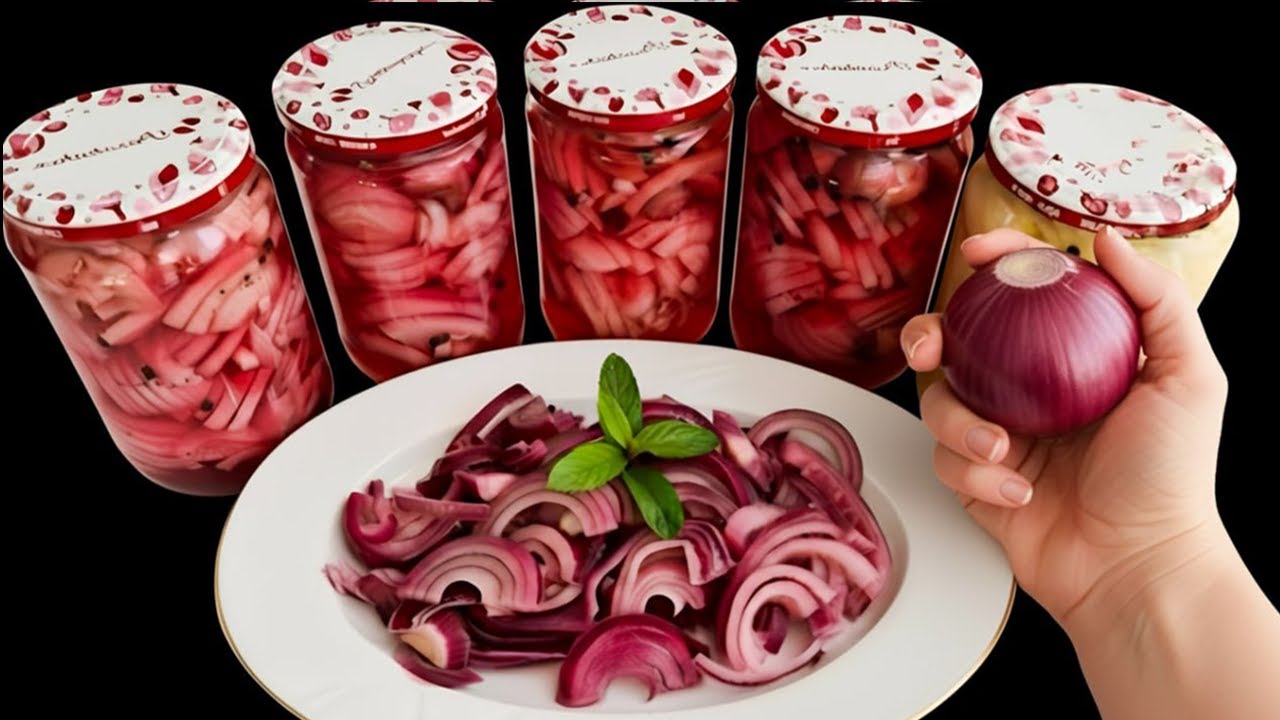
- Pack the sliced shallots into a clean glass jar until filled.
- Pour the hot brine over the shallots, ensuring they are fully submerged. Seal the jar and allow it to cool before refrigerating.
Storage Tips
Store your pickled shallots in the refrigerator. They should be ready to enjoy after a day but reach peak flavor after about a week. Always use a clean utensil when serving to maintain their freshness.
Serving Suggestions
Use your pickled shallots as a topping for salads, tacos, or sandwiches. They also work wonderfully as a side with grilled meats or roasted vegetables.
Common Mistakes
A few pitfalls can easily derail your pickling process. Here are some common mistakes to avoid:
- Not using enough salt—this is crucial for proper preservation and flavor.
- Overcooking the brine—allowing it to boil for too long can alter the flavor negatively.
- Skipping the sterilization of jars—clean jars prevent unwanted bacteria from contaminating your pickles.
- Using unpeeled shallots—always peel them to ensure an even pickling process.
FAQ
How long do pickled shallots last?
When stored in the refrigerator, pickled shallots will last for about 2-3 months. Just make sure the brine covers them completely.
Can I add other vegetables to the pickling brine?
Yes, many vegetables can be pickled together. Carrots, cucumbers, and radishes pair well with shallots in brine.
Is it necessary to heat the brine?
While heating the brine helps dissolve sugar and salt, you can also prepare a cold brine. Just allow the mixture to sit for a longer time to develop flavors.
Conclusion
Pickling shallots is an easy and rewarding way to enhance your meals with flavor and health benefits this winter. By following the steps outlined here, you’ll enjoy delicious, tangy shallots that elevate your dishes. Have you tried pickling before, or are you excited to give it a go? Share your thoughts in the comments below!