The Secret to Growing Endless Cut-and-Come-Again Lettuce
The Secret to Growing Endless Cut-and-Come-Again Lettuce
Lettuce is an incredibly versatile and fast-growing crop ideal for cool weather gardens. With its fresh, mildly peppery flavor, it elevates any meal and offers an abundance of leafy greens for both personal use and sharing with friends and family.
Why Grow Lettuce?
Lettuce features dense yet shallow roots, making it suitable for various growing conditions. You can easily cultivate lettuce in:
- Cold frames
- Garden rows
- Space-saving troughs
This flexibility allows even those without traditional garden spaces to enjoy homegrown lettuce. Moreover, broad lettuce leaves excel at capturing sunlight, thriving even in areas that receive only half a day of sun.
How to Plant Lettuce
Getting started with lettuce is simple. Choose your favorite variety or plant several types for diversity. Seed suppliers like Burpee offer convenient seed tape, which simplifies the sowing process by ensuring correct spacing.
If you prefer an economical approach, creating your own DIY seed tape is easy and cost-effective. The tape is a fantastic tool for planting tiny seeds with precision.
Preparing the Soil
Before planting, enrich your soil using compost—either store-bought or homemade. You might also opt for soil specifically designed for raised bed gardens. Once your soil is prepared, plant lettuce where it can receive full sunlight; however, it can also prosper in partial shade.
Sowing Seeds
To plant, sow seeds at a depth of 1/4 inch and space them 1 inch apart when the soil temperature exceeds 4 degrees Celsius (40 degrees Fahrenheit). If using seed tape, simply place it in the soil, creating an indentation with a hand cultivator or your finger to cover the seeds appropriately.
Seed germination can take anywhere from 2 to 10 days, depending on the variety. Make sure to hand-pull any weeds around the seedlings to prevent competition for nutrients and water.
For a continuous harvest, consider making successive plantings every two weeks until two weeks before the expected first frost of fall. Start with early lettuce varieties, transition to heat-tolerant types for summer, and then return to cool-season varieties for the fall.
How to Harvest Lettuce
With looseleaf and butterhead varieties, you can harvest leaves at nearly any time. For romaine or similar types, feel free to pick only the outer leaves. While some lettuce varieties mature within 45 to 55 days, heading types like romaine typically take longer—between 75 and 85 days.
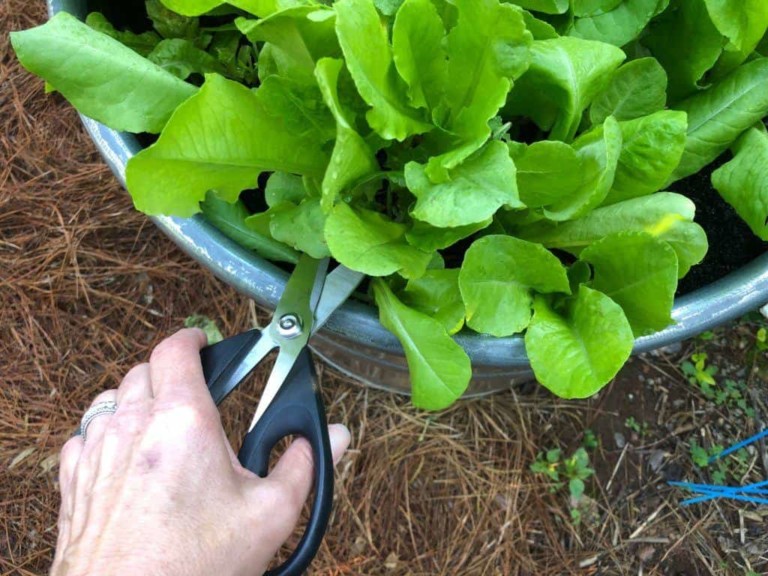
The Butterhead European Bibb variety, shown above, is favored by gardeners for its resistance to bolting.
Harvesting Tips
The best time to harvest lettuce is early in the morning when the leaves are most hydrated and flavorful. If you’re planning to serve a salad later in the day, refrigerate the leaves to maintain freshness, as they can wilt easily.
To harvest, use a clean, sharp pair of garden scissors or kitchen shears to cut the outer leaves about 2 inches above the crown, encouraging continuous growth. For head lettuce—like Buttercrunch and crisphead—cut the plant at the soil line.
If you notice an elongated crown on your lettuce, it’s time to remove and compost it, as it indicates the plant is past its prime.
Final Tips
To prevent bitterness, harvest your lettuce sooner rather than later. When temperatures drop below 2 degrees Celsius, consider using row covers, cloches, or similar devices to protect your plants from harsh weather, extending the growing season.
Conclusion
Growing your own cut-and-come-again lettuce is a rewarding venture that provides fresh greens throughout the growing season. With the right techniques and a bit of care, you can enjoy a continuous harvest of this delightful crop. Start planting today and reap the benefits of your efforts!