A great way to grow tomatoes in a plastic barrel — loaded with fresh fruit
# A great way to grow tomatoes in a plastic barrel — loaded with fresh fruit
Great Technique for Growing Tomatoes in a Plastic Barrel, Bursting with Fresh Fruit
Tomatoes are one of the most popular and rewarding crops to grow at home, and using a plastic barrel as a container offers an innovative way to maximize yield while saving space. This method is especially useful for urban gardeners, small backyards, and those looking to grow tomatoes in a controlled environment. By optimizing soil conditions, water retention, and nutrient supply, a plastic barrel can help produce a bountiful harvest of juicy, flavorful tomatoes. In this guide, you will learn the best techniques to grow tomatoes in a plastic barrel successfully.
Why Grow Tomatoes in a Plastic Barrel?
Using a plastic barrel for tomato cultivation provides numerous advantages:
Space Optimization – Perfect for small gardens, patios, and balconies.
Enhanced Root Growth – Deep containers promote stronger root systems.
Water Conservation – Retains moisture better than traditional pots.
Pest and Disease Control – Reduces soil-borne diseases and pests.
Higher Yields – Encourages healthy growth with proper nutrient distribution.
Sustainable and Affordable – Reuses plastic barrels, reducing waste and promoting eco-friendly gardening.
Choosing the Right Barrel for Growing Tomatoes
Size Matters – A 50- to 100-liter plastic barrel is ideal to provide ample space for root development.
Food-Grade Material – Ensure the barrel is BPA-free and non-toxic to avoid harmful chemicals leaching into the soil.
Drainage Holes – Drill multiple holes at the bottom and sides to prevent waterlogging.
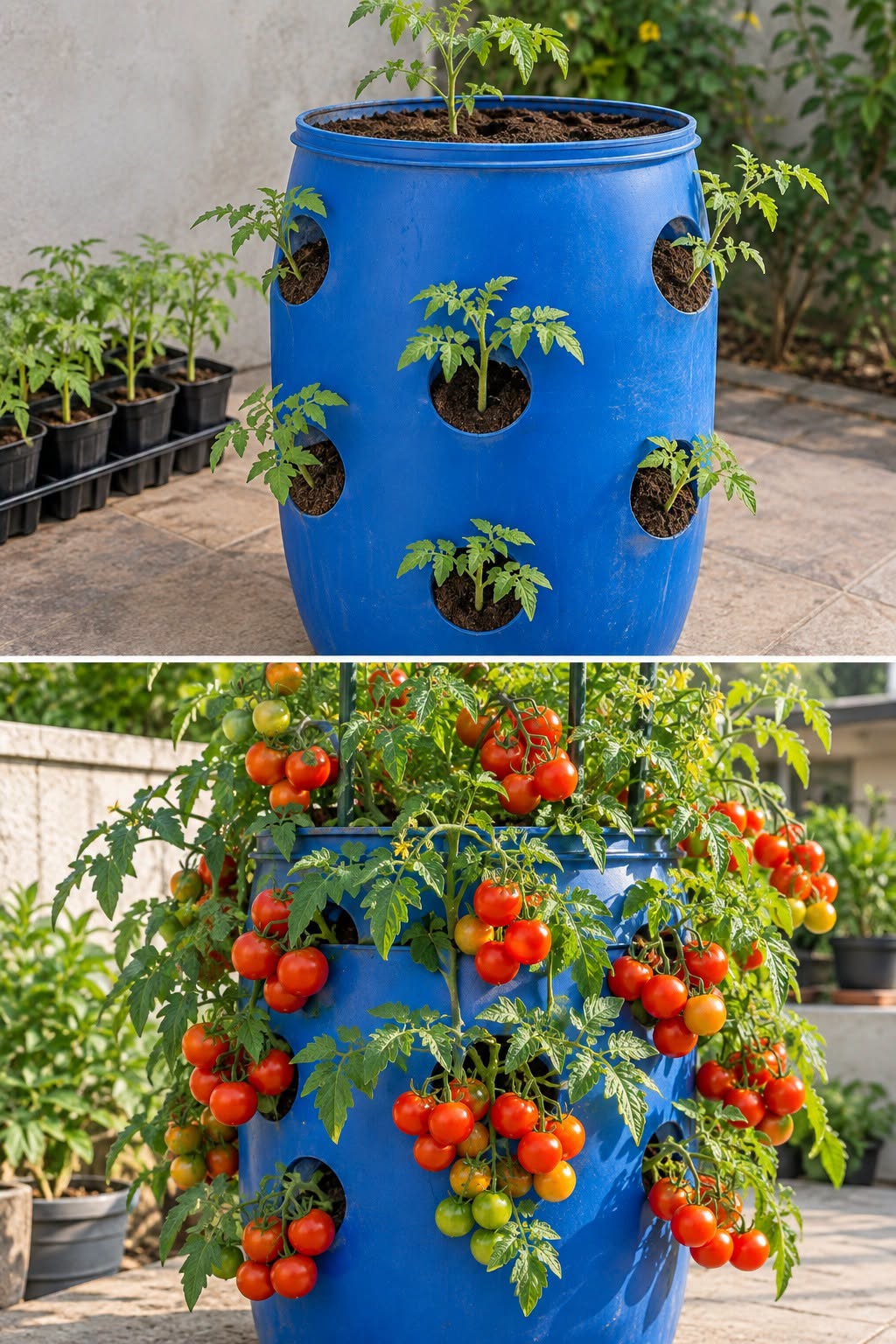
Cutting Openings – You can either cut off the top completely to grow multiple plants or create side openings for a vertical, multi-plant system.
How to Prepare the Plastic Barrel for Planting
1. Cutting and Drilling
If growing multiple tomato plants, cut large holes at the top for each plant.
For a vertical planting system, cut smaller side holes in a staggered pattern.
Drill drainage holes at the bottom and sides to prevent excess moisture buildup.
2. Layering the Soil for Maximum Growth
For optimal results, use a well-balanced soil mix:
Base Layer (Drainage Layer): Add gravel, pebbles, or broken pottery pieces to improve drainage.
Middle Layer (Nutrient-Rich Compost): Mix compost with kitchen waste (banana peels, coffee grounds, eggshells) for natural fertilization.
Top Layer (Potting Soil Mix): Use a mixture of loamy soil, coconut coir, and perlite to ensure proper aeration.
3. Installing a Support System
Tomato plants require strong support structures:
Use wooden stakes, trellises, or cages to support vertical growth.
If using a vertical planting system, install a central pole or wire trellis to guide the vines upward.
Best Tomato Varieties for Barrel Gardening
Different tomato varieties thrive in container setups. Some of the best options include:
Cherry Tomatoes – Small but high-yielding (e.g., ‘Sweet 100’, ‘Sungold’).
Roma Tomatoes – Compact and flavorful, ideal for sauces.
Beefsteak Tomatoes – Large and juicy but require extra support.
Determinate Varieties – Grow to a fixed size, perfect for limited spaces.
Planting and Caring for Tomatoes in a Plastic Barrel
1. Planting the Tomato Seedlings
Dig holes deep enough to cover most of the stem, leaving only the top few leaves exposed.
For side planting, gently insert seedlings into the pre-cut openings.
Space plants properly (one per hole or 2-3 per large barrel).
2. Watering Techniques
Water deeply but infrequently to encourage deep root growth.
Install a drip irrigation system or use a mulch layer to conserve moisture.
Morning watering is best to prevent fungal diseases.
3. Fertilizing for Maximum Yield
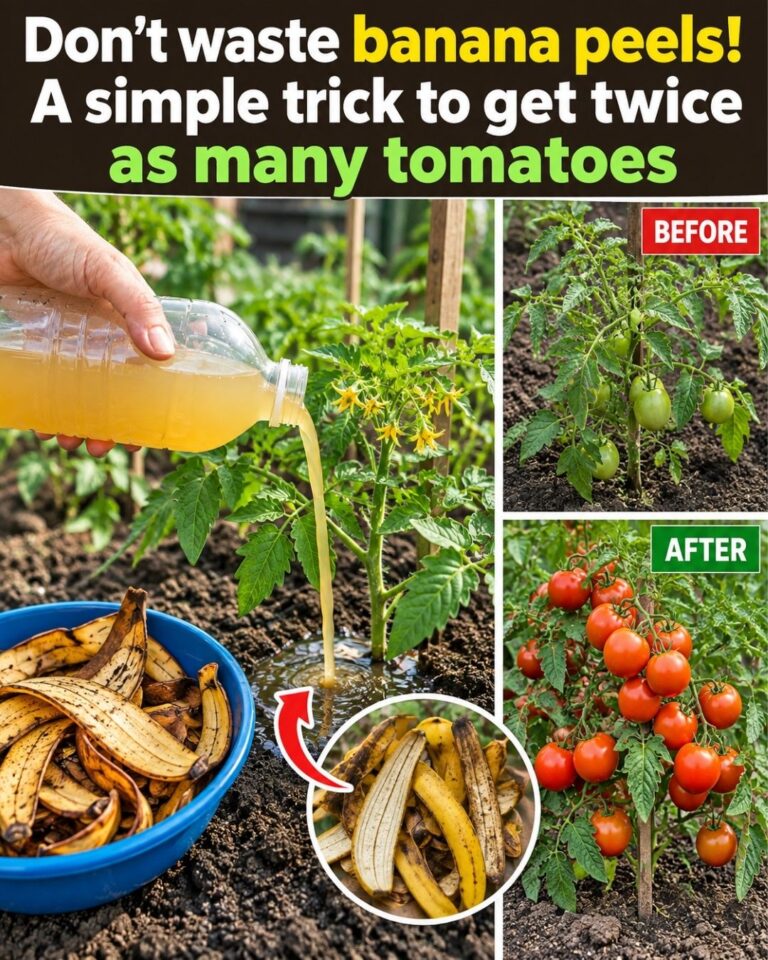
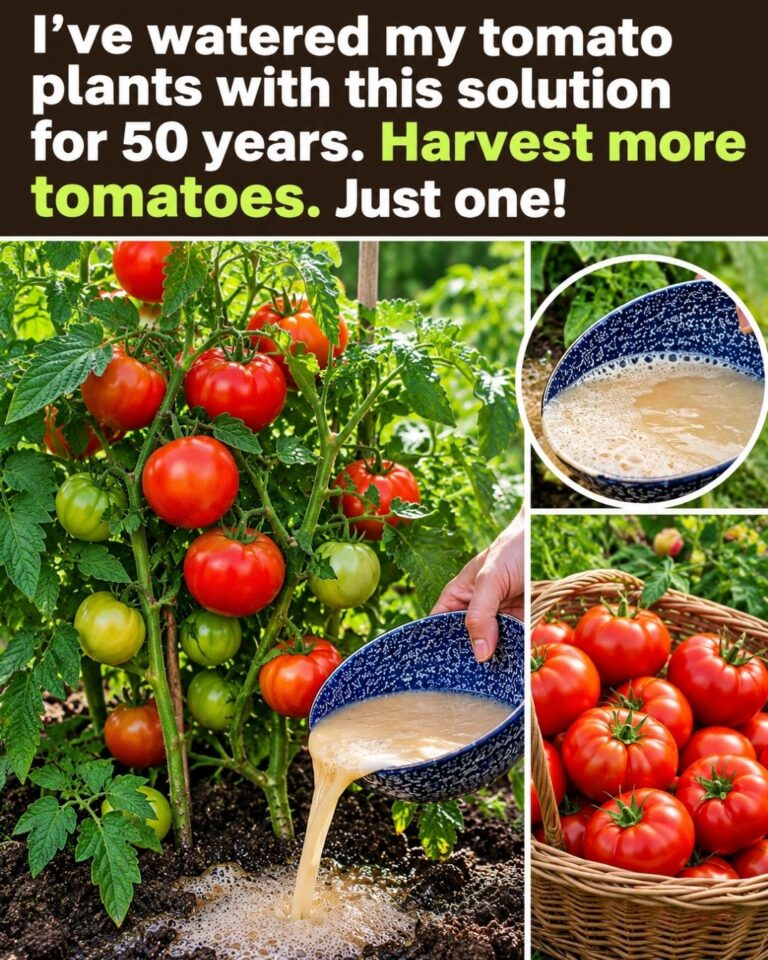
Use organic compost tea or banana peel water every 2 weeks.
Apply slow-release fertilizers like bone meal and fish emulsion.
Add crushed eggshells around the base for a natural calcium boost.
4. Pruning and Maintenance
Remove suckers (small shoots between main stems) to focus energy on fruit production.
Cut old, yellowing leaves to prevent disease spread.
Train vines to climb the support system to maximize space usage.
Protecting Tomatoes from Pests and Diseases
1. Natural Pest Control Methods
Use companion plants like basil and marigold to repel pests.
Spray with a neem oil solution to deter aphids and whiteflies.
Hand-pick pests like caterpillars and beetles when spotted.
2. Preventing Common Tomato Diseases
Avoid overwatering, which leads to root rot and fungal infections.
Space plants properly for good air circulation to prevent mold.
Rotate crops each season to reduce soil-borne diseases.
Harvesting and Enjoying Your Tomatoes
Tomatoes typically take 60-90 days to mature, depending on the variety.
When to Harvest
Pick when fully colored but still firm to the touch.
Harvest in the morning for the best flavor and shelf life.
If frost is approaching, pick semi-ripe tomatoes and let them ripen indoors.
How to Store Fresh Tomatoes
Keep at room temperature for the best taste and texture.
Refrigerate only if overripe to prevent spoilage.
Sun-dry, freeze, or can excess tomatoes for long-term use.
Conclusion
Growing tomatoes in a plastic barrel is a fantastic way to maximize space, improve plant health, and produce an abundant harvest. By using proper soil layering, watering techniques, organic fertilizers, and pest management, you can enjoy fresh, homegrown tomatoes bursting with flavor. Whether you have a small balcony or a large backyard, this method is a sustainable and efficient way to grow delicious tomatoes with minimal effort. Start your barrel gardening project today and enjoy the rewards of homegrown produce!
## Practical tips for better results
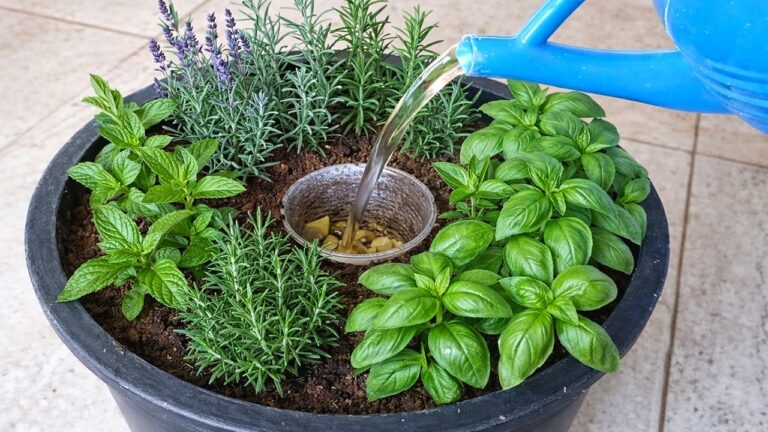
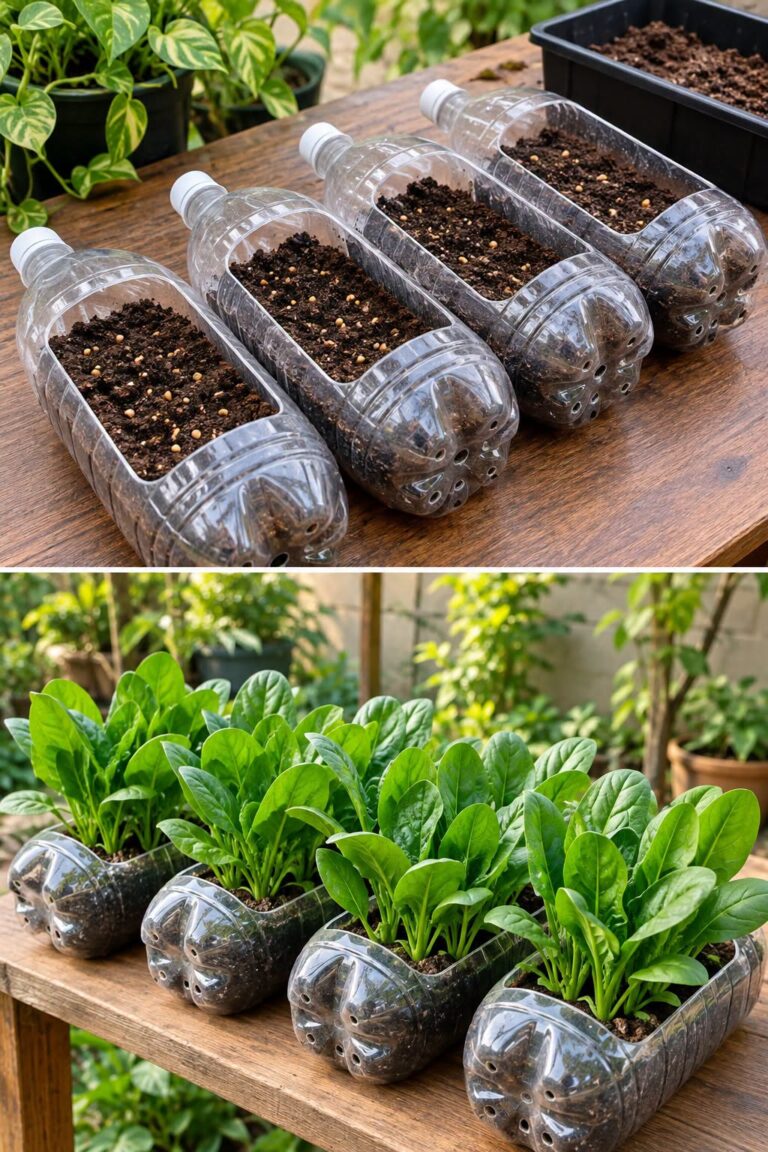
The most reliable way to get good results is to start with clean materials, suitable containers and consistent care. In gardening, light, moisture, drainage and temperature matter more than any single shortcut. Reused bottles, barrels and household containers can work well, but they need drainage holes and enough room for roots. Containers should also be stable and food-safe when used for edible crops.
For seedlings, keep the growing medium moist but not waterlogged. Too much water reduces oxygen around young roots and can encourage rot. A bright location is important once seedlings emerge. If natural light is weak, plants can become thin and stretched. Gradually expose young plants to outdoor conditions before moving them permanently outside.
When growing tomatoes, remember that larger plants need support, regular watering and enough root space. Lettuce and spinach prefer cooler conditions than tomatoes and can struggle in excessive heat. Check plants frequently rather than following a rigid watering schedule.
Reusing materials is a good way to reduce costs, but hygiene still matters. Wash containers before use and avoid containers that previously held hazardous chemicals. A simple, clean setup with good drainage is usually more effective than a complicated viral hack.
## Practical tips for better results
The most reliable way to get good results is to start with clean materials, suitable containers and consistent care. In gardening, light, moisture, drainage and temperature matter more than any single shortcut. Reused bottles, barrels and household containers can work well, but they need drainage holes and enough room for roots. Containers should also be stable and food-safe when used for edible crops.
For seedlings, keep the growing medium moist but not waterlogged. Too much water reduces oxygen around young roots and can encourage rot. A bright location is important once seedlings emerge. If natural light is weak, plants can become thin and stretched. Gradually expose young plants to outdoor conditions before moving them permanently outside.
When growing tomatoes, remember that larger plants need support, regular watering and enough root space. Lettuce and spinach prefer cooler conditions than tomatoes and can struggle in excessive heat. Check plants frequently rather than following a rigid watering schedule.
Reusing materials is a good way to reduce costs, but hygiene still matters. Wash containers before use and avoid containers that previously held hazardous chemicals. A simple, clean setup with good drainage is usually more effective than a complicated viral hack.