
Unlock 7 Secrets to Insane Rose Root Growth Every Gardener Should Know!
Unlock 7 Secrets to Enhance Rose Root Growth Every Gardener Should Know
- Understanding Rose Roots
- Optimal Planting Techniques
- Fertilization Methods for Strong Roots
- Watering Essentials for Rose Growth
- Common Mistakes to Avoid
- FAQ
As a gardening enthusiast, you may have noticed that some of your rose plants thrive while others struggle to flourish. It’s often the roots that determine the success of your blooms. When roses lack healthy roots, their growth becomes stunted, leaving you frustrated. If you’ve ever questioned how to maximize the growth of your rose roots, you’re not alone. Keep reading to explore essential strategies to improve rose root development.
Understanding Rose Roots
Before diving into the techniques, it’s essential to understand your plants. Rose roots play a critical role in their overall health, affecting not just their growth but also their resilience against diseases and stress.
1. Structure of Rose Roots
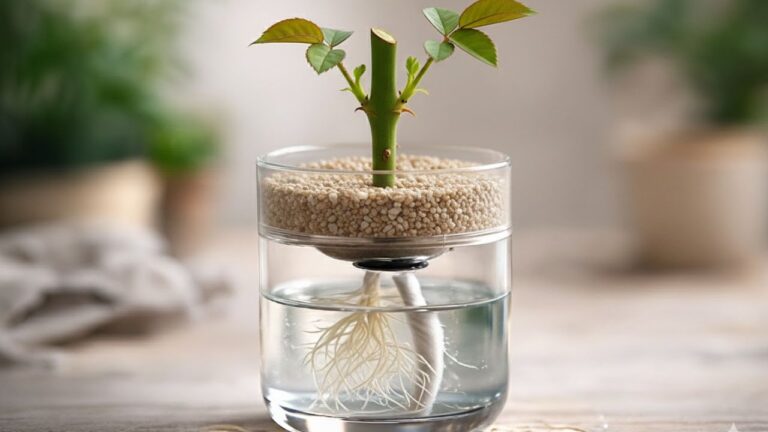
Rose roots consist of a thick central taproot with numerous fibrous roots that spread outwards. This network helps the plant absorb water and nutrients efficiently.
2. Importance of Healthy Roots
Healthy roots provide stability and access to moisture and minerals. When roses have strong roots, they can better withstand environmental factors, resulting in healthier blooms.
3. Ideal Soil Conditions
Roses thrive in well-draining soil that retains moisture without becoming waterlogged. Soil pH levels should ideally be between 6.0 and 6.8 for optimal nutrient uptake.
Optimal Planting Techniques
The way you plant your roses can significantly influence their root growth. Following these techniques can set the stage for robust root systems.
1. Choosing the Right Location
Select a spot that receives at least six hours of sunlight per day. Good air circulation is also vital in preventing diseases.
2. Preparing the Planting Hole
- Dig a hole twice the width of the root ball and deep enough to accommodate the entire root system.
- Add organic compost to enrich the soil and promote better drainage.
- Place the rose in the hole, ensuring the graft union is at soil level.
3. Mulching for Moisture
Applying a layer of mulch around your roses helps retain moisture, suppress weeds, and maintain even soil temperatures. Organic mulch, like shredded bark, is ideal.
Fertilization Methods for Strong Roots
Providing the right nutrients is essential for building healthy rose roots. Tailoring your fertilization regimen can produce significant results.
1. Timing Your Fertilization
The best time to fertilize roses is in early spring as they begin to emerge from dormancy, and again after the first bloom. This timing supports both root growth and blooming potential.
2. Types of Fertilizers
- Organic options: Compost and well-rotted manure offer slow-release nutrients.
- Granular fertilizers: Use a balanced fertilizer formulated for roses, applying as per package instructions.
- Liquid fertilizers: Consider a diluted liquid fertilizer during the growing season for added support.
3. Observing Plant Responses
Monitor your roses for signs of nutrient deficiency. Yellowing leaves may indicate a need for nitrogen, while browning tips can signal a lack of potassium.
Watering Essentials for Rose Growth
Watering is crucial for maintaining root health. Understanding how to properly hydrate your plants can lead to vigorous root systems.
1. Watering Frequency
- Check the soil moisture before watering; if the top inch is dry, it’s time to water.
- Water deeply, aiming for about 1 inch per week, to ensure moisture reaches the roots.
2. Best Practices for Watering
Water your roses in the early morning to reduce evaporation and allow foliage to dry during the day, minimizing disease risk.
3. Techniques for Efficient Watering
Consider using drip irrigation for steady moisture delivery directly to the roots, reducing waste and promoting deep root growth.
Common Mistakes to Avoid
1. Overwatering
Excess water can suffocate roots, leading to rot. Always ensure adequate drainage and adjust your watering schedule based on rainfall.
2. Neglecting Fertilization
Failing to fertilize or using the wrong type can result in weak plants. Regularly assess your fertilization routine.
3. Poor Pruning Practices
Incorrect pruning can damage roots and hinder growth. Always use sharp, clean tools, and prune at the right times in the growing season.
4. Ignoring Disease Signs
Be vigilant about signs of disease, such as spots or wilting. Early intervention can prevent further root damage.
FAQ
What is the best soil for planting roses?
Roses thrive in well-draining soil rich in organic matter, ideally with a pH between 6.0 and 6.8.
How often should I fertilize my roses?
It’s generally advisable to fertilize in early spring and again after the first bloom, but monitor your plants for specific needs.
Can I water my roses in the evening?
Watering in the early morning is preferred to reduce evaporation and the risk of fungal diseases, as it allows foliage to dry quickly.
Conclusion
By understanding the essentials of rose root growth—including optimal planting techniques, proper fertilization, and effective watering practices—you can significantly enhance the vitality of your roses. What questions do you have about nurturing your rose roots? Share your thoughts in the comments!