
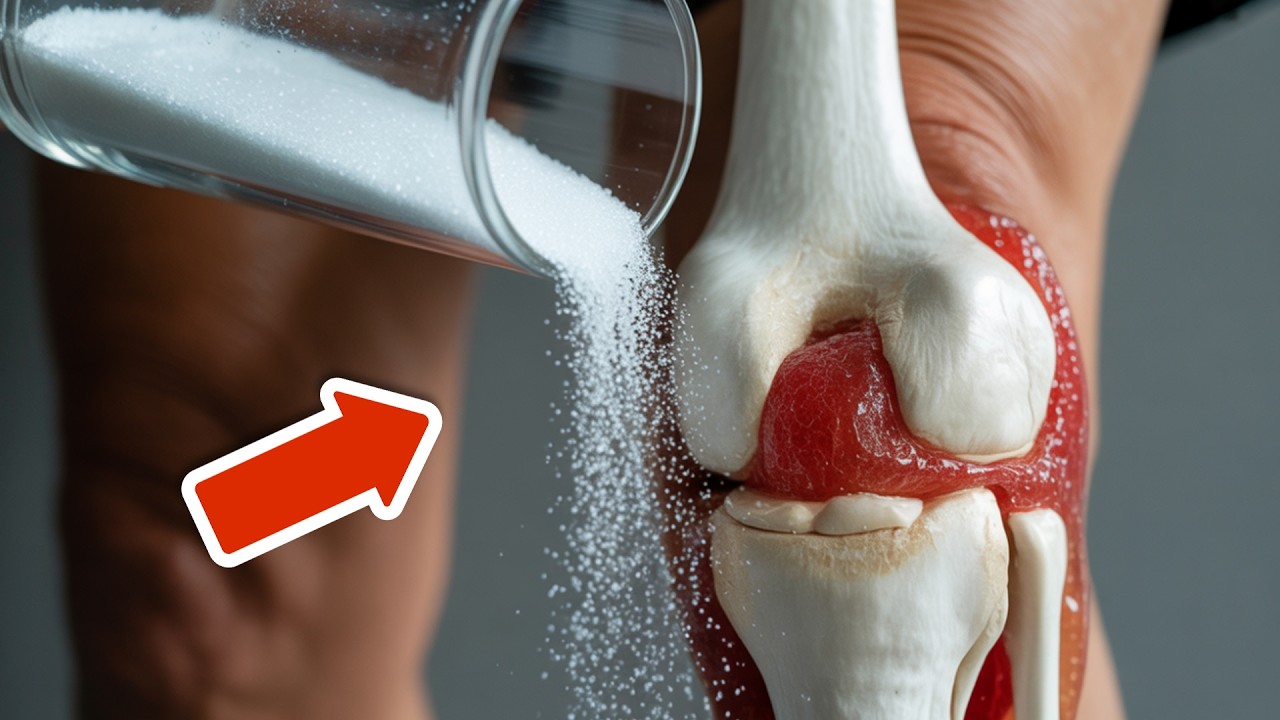
6 Foods to Avoid for Joint Pain Relief Today – Find Out What They Are!
6 Foods to Avoid for Joint Pain Relief Today
- Introduction
- Common Food Triggers
- Specific Foods to Avoid
- Impact of Processed Foods
- Mistakes to Avoid
- FAQ
- Conclusion
Introduction
Many people experience joint pain, leading to frustration in daily activities. You might find that certain foods exacerbate your discomfort, making it difficult to engage in the hobbies and tasks you love. However, identifying these possible triggers can significantly improve your health and comfort. By being mindful of your diet, you can take essential steps toward better joint health. Let’s explore which foods may be contributing to your joint pain and how you can make informed choices.
Common Food Triggers
Understanding common food triggers is the first step toward managing joint pain. Certain ingredients can inflame your joints and worsen discomfort. Here are some foods that frequently influence joint pain:
1. Sugary Foods
Excessive sugar can lead to inflammation. High levels of sugar in your diet may cause your body to produce inflammatory substances, leading to increased joint pain. Monitor your intake of desserts, sodas, and candies to see if that helps alleviate discomfort.
2. Red Meat
Red meat can be another culprit, as it contains high levels of saturated fats. These fats may promote inflammation in the body, further aggravating joint issues. Opting for lean meats and incorporating more plant-based proteins into your diet can be beneficial.
Specific Foods to Avoid
Along with common triggers, some specific foods have been linked to joint discomfort. Here are a few to steer clear of:
1. Refined Carbohydrates
Processed foods like white bread and pastries often contain refined carbohydrates, which can contribute to inflammation. Replacing these with whole grains can help reduce discomfort.
2. Dairy Products
Dairy can exacerbate inflammation for some people. If you notice increased discomfort after consuming milk, cheese, or yogurt, it may be worth considering alternative sources of calcium, such as leafy greens or fortified plant milks.
Impact of Processed Foods
Processed foods are rich in preservatives, additives, and unhealthy fats, all of which can lead to increased inflammation in the body. Minimizing these foods can positively impact joint pain. Here’s why:
1. Preservatives and Additives
Many processed foods contain artificial ingredients that can trigger inflammatory responses. Be vigilant and read labels to avoid items with long ingredient lists or unfamiliar chemicals.
2. Unhealthy Fats
Trans fats and hydrogenated oils found in many snacks and fast foods can worsen inflammation. Try replacing these fats with healthy options like olive oil or avocado to support joint health.
Mistakes to Avoid
When making dietary changes to alleviate joint pain, being aware of common missteps can enhance your efforts:
- Ignoring labels – Always read ingredient lists to identify hidden sugars and unhealthy fats.
- Over-relying on supplements – While supplements can help, focusing solely on them without improving dietary choices typically yields fewer results.
- Not tracking symptoms – Keeping a food diary can help you pinpoint which foods affect your discomfort and assist in making necessary adjustments.
FAQ
1. What are the best foods for joint health?
Foods rich in omega-3 fatty acids, such as fish and flaxseeds, along with fruits and vegetables known for their anti-inflammatory properties, are excellent for joint health.
2. Can diet alone relieve joint pain?
While diet plays a significant role, a comprehensive approach including proper hydration, exercise, and medical advice is essential for effective joint pain relief.
3. How long does it take to notice improvements?
Many people may notice improvements in their joint pain within a few weeks of eliminating triggering foods from their diet.
Conclusion
Being aware of the foods that can exacerbate joint pain is a vital step towards improving your overall wellness. By avoiding certain items like sugary foods and processed snacks, you can create a diet that better supports your joints. Have you noticed specific foods that seem to affect your joint health? Your insights could help others on their journey to relief.