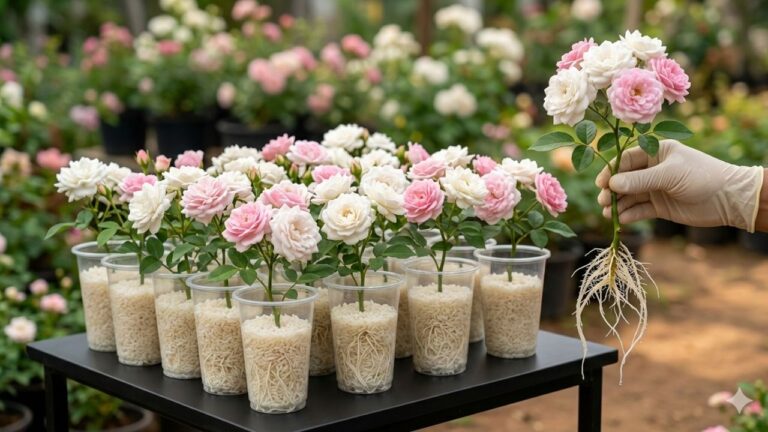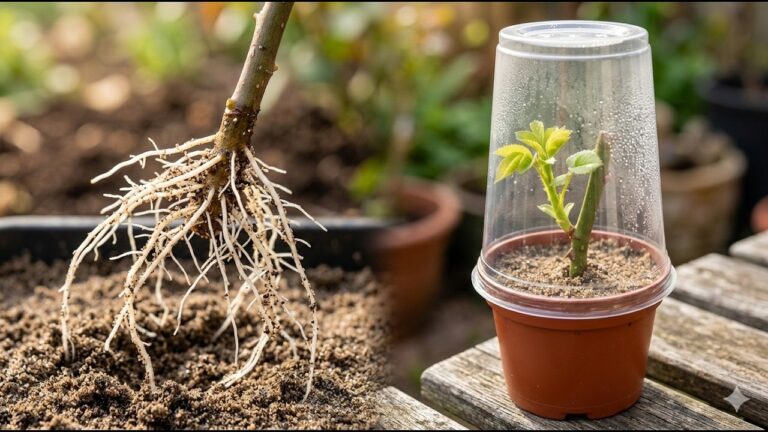
Grow Rose Cuttings Overnight: 5 Easy Steps with Orange Peel! 🌿✨
Grow Rose Cuttings Overnight: 5 Easy Steps with Orange Peel
- Introduction
- Required Materials
- Preparing Rose Cuttings
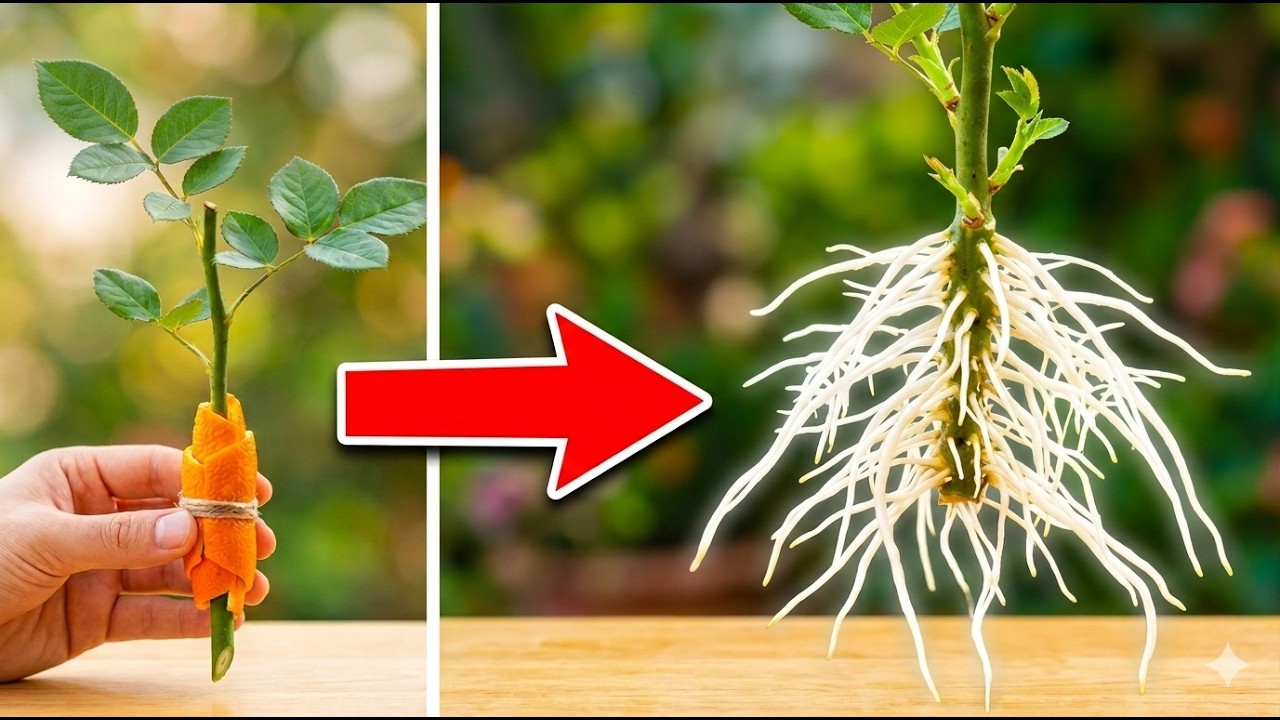
- Using the Orange Peel Technique
- Common Mistakes to Avoid
- FAQ
- Conclusion
Introduction
Imagine you’ve just pruned your beautiful rose bush and you’re left with cuttings that could easily be discarded. Instead of tossing them out, you might be wondering if there’s a way to bring them back to life. Every gardener encounters this moment, where cuttings can either become little plants or end up in the compost. Many people feel unsure about how to propagate roses effectively. By understanding a simple method, you can turn those discarded stems into thriving plants. Let’s delve into this easy approach!
Required Materials
To successfully propagate your rose cuttings overnight, gather the following materials:
- Healthy rose cuttings (approximately 6 inches long)
- Orange peel (from one fresh orange)
- Potting soil (preferably organic)
- Small pots or containers
- Plastic wrap or a plastic bag
- Water
Having these materials on hand will ensure a smooth process as you work to grow your rose cuttings.
Preparing Rose Cuttings
Follow these steps to prepare your cuttings effectively:
- Choose healthy cuttings: Select stems that are green and firm, ideally from healthy plants.
- Cut at an angle: Use clean, sharp pruning shears to cut the stems just below a leaf node at a 45-degree angle. This increases the surface area for rooting.
- Remove lower leaves: Gently strip off the leaves from the bottom half of the cutting to prevent them from rotting in the soil.
- Dip in rooting hormone: Optionally, dip the cut end in a rooting hormone to promote faster root development.
Preparation is key to successful propagation, so ensure you take your time with each step.
Using the Orange Peel Technique
The orange peel technique is a unique way to enhance the growth of your cuttings. Here’s how to do it:
- Prepare the orange peel: Slice the peel into strips, ensuring you leave some white pith attached.
- Place cuttings with peel: Position each prepared cutting into the soil, pressing it slightly into the orange peel. The peel releases natural sugars and nutrients that aid in root development.
- Moisten the soil: Water the soil lightly, ensuring it is damp but not waterlogged.
- Cover with plastic: Use plastic wrap or a plastic bag to create a mini greenhouse effect, trapping moisture to help the cuttings take root more efficiently.
- Provide sunlight: Place the pots in a warm, sunny spot where they can receive indirect sunlight.
This technique not only promotes rooting but also takes advantage of the natural properties of orange peels to boost the health of your cuttings.
Common Mistakes to Avoid
While propagating rose cuttings, a few common pitfalls can hinder your success. Here are mistakes to watch for:
- Choosing unhealthy cuttings: Always select vibrant, green stems; weak or diseased cuttings are unlikely to root.
- Overwatering: Keep the soil moist but avoid soaking it. Too much water can lead to rot.
- Insufficient light: Ensure your cuttings get enough indirect sunlight; too little light will prevent growth.
- Skipping the orange peel: Neglecting the orange peel can diminish the benefits of the natural nutrients.
- Not being patient: Propagation takes time; don’t rush the process. Allow several weeks to see signs of new growth.
FAQ
How long does it take for rose cuttings to root?
Typically, it can take anywhere from 2 to 4 weeks for rose cuttings to start developing roots, depending on the environment and care provided.
Can I use other citrus peels?
While orange peels are effective, other citrus peels like lemon or lime can also be used due to their similar properties. Just ensure they are fresh.
What type of rose cuttings work best?
Hybrid tea roses and floribunda roses are popular choices for propagation as they tend to root easily and thrive in new soil.
Conclusion
By following these simple steps, you can grow your rose cuttings overnight using orange peel to enrich the process. This method not only helps your cuttings thrive but also makes use of kitchen scraps. Have you tried propagating roses before? Share your experiences in the comments below!