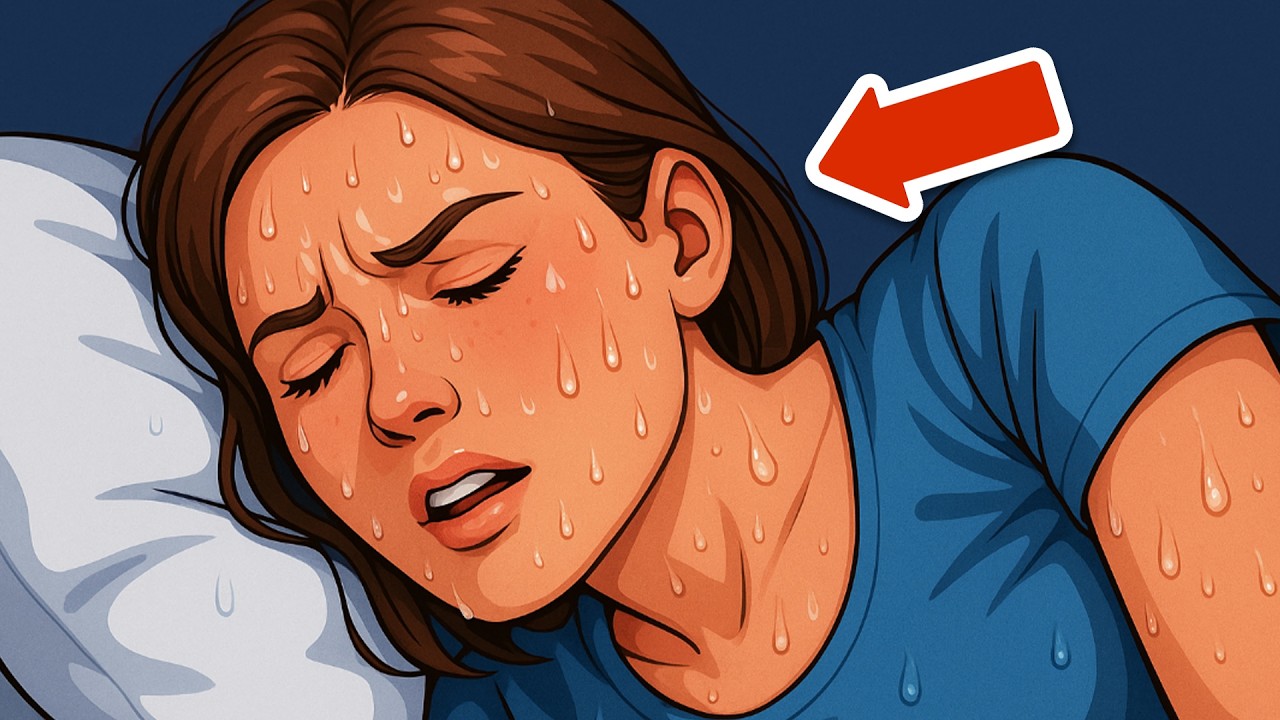
8 Health Issues to Check If You’re Sweating Excessively – Discover the Signs Now!
Understanding Excessive Sweating: 8 Health Issues to Check
- What is Excessive Sweating?
- Common Health Issues Linked to Excessive Sweating
- Underlying Causes of Excessive Sweating
- Mistakes to Avoid When Managing Sweating
- FAQs
What is Excessive Sweating?
Have you ever found yourself dripping with sweat in a situation where others seem completely comfortable? Excessive sweating, known medically as hyperhidrosis, can affect your daily life and overall wellbeing. It might not just be an embarrassing inconvenience; it could also signal underlying health issues. Understanding more about the potential health concerns related to excessive sweating can help you take charge of your health and identify when it’s time to seek medical advice.
Common Health Issues Linked to Excessive Sweating
Excessive sweating can be a sign of several health issues. Here are eight potential causes you may want to consider:
- Hyperhidrosis: A condition characterized by excessive sweating, often without any obvious cause.
- Thyroid Disorders: An overactive thyroid can increase metabolism, leading to increased sweating.
- Diabetes: Fluctuations in blood sugar levels can lead to sweating, particularly during hypoglycemic episodes.
- Infections: Conditions like tuberculosis can cause night sweats.
- Anxiety Disorders: Stress and anxiety can trigger sweating as part of the body’s fight or flight response.
- Medications: Certain medications, such as antidepressants, can lead to increased sweating.
- Obesity: Carrying excess weight can contribute to excessive heat and sweating.
- Hormonal Changes: Fluctuations during puberty, menstruation, or menopause can increase sweating.
Exploring Hyperhidrosis
If you find yourself sweating excessively, even without exertion or heat, it may be worth exploring hyperhidrosis. This disorder can be localized to specific areas like the palms or feet, or it can be generalized. Treatment options include clinical interventions, such as botox injections, and lifestyle changes.
Understanding Thyroid Disorders
Thyroid disorders can dramatically affect your metabolic rate. If you frequently experience excessive sweating alongside weight loss, rapid heartbeat, or anxiety, it’s essential to consult a healthcare professional.
Underlying Causes of Excessive Sweating
Understanding the underlying causes of excessive sweating is crucial for effective management. Here are some factors to consider:
- Genetics: If hyperhidrosis runs in your family, you may be predisposed to similar symptoms.
- Diet and Lifestyle: Consuming spicy foods or caffeine can exacerbate sweating.
- Physical Activity: Increased physical activity naturally raises body temperature and may lead to more sweating.
Diet Modifications
Keeping a food diary can help you identify foods that may contribute to sweating. Reducing consumption of spicy foods and caffeine can be a good start to managing your symptoms.
Stress Management Techniques
Practicing relaxation techniques such as yoga, meditation, or deep breathing exercises can help reduce anxiety-induced sweating. Regular exercise can also promote overall health, which indirectly may help manage excessive sweating.
Mistakes to Avoid When Managing Sweating
Managing excessive sweating can be tricky. Be mindful of these common mistakes:
- Ignoring the Problem: If excessive sweating persists, consult a healthcare professional to rule out serious conditions.
- Self-Diagnosing: Avoid jumping to conclusions about your symptoms without a medical assessment.
- Overusing Antiperspirants: Using too much can sometimes cause irritation and exacerbate sweating.
- Shying Away from Social Situations: Avoiding social interactions due to sweating can worsen anxiety and even increase symptoms.
- Neglecting Personal Hygiene: While sweat itself does not cause odor, ensuring good hygiene can mitigate any social concerns.
FAQs
What is the most common cause of excessive sweating?
Hyperhidrosis is the most common cause, affecting around 3% of the population and often appearing without any other underlying condition.
Can anxiety lead to excessive sweating?
Yes, anxiety can trigger excessive sweating as part of the body’s natural response to stress, affecting many people during particularly tense situations.
Are there natural remedies for excessive sweating?
Some people find relief through herbal teas such as sage and chamomile, which may help regulate sweating. However, consult a healthcare provider before trying new remedies.
Conclusion
Excessive sweating can indicate several underlying health issues, and understanding these can empower you to make informed choices about your health. Identifying the root cause may lead you to effective management strategies. What strategies have you found helpful in managing sweating? Feel free to share in the comments!