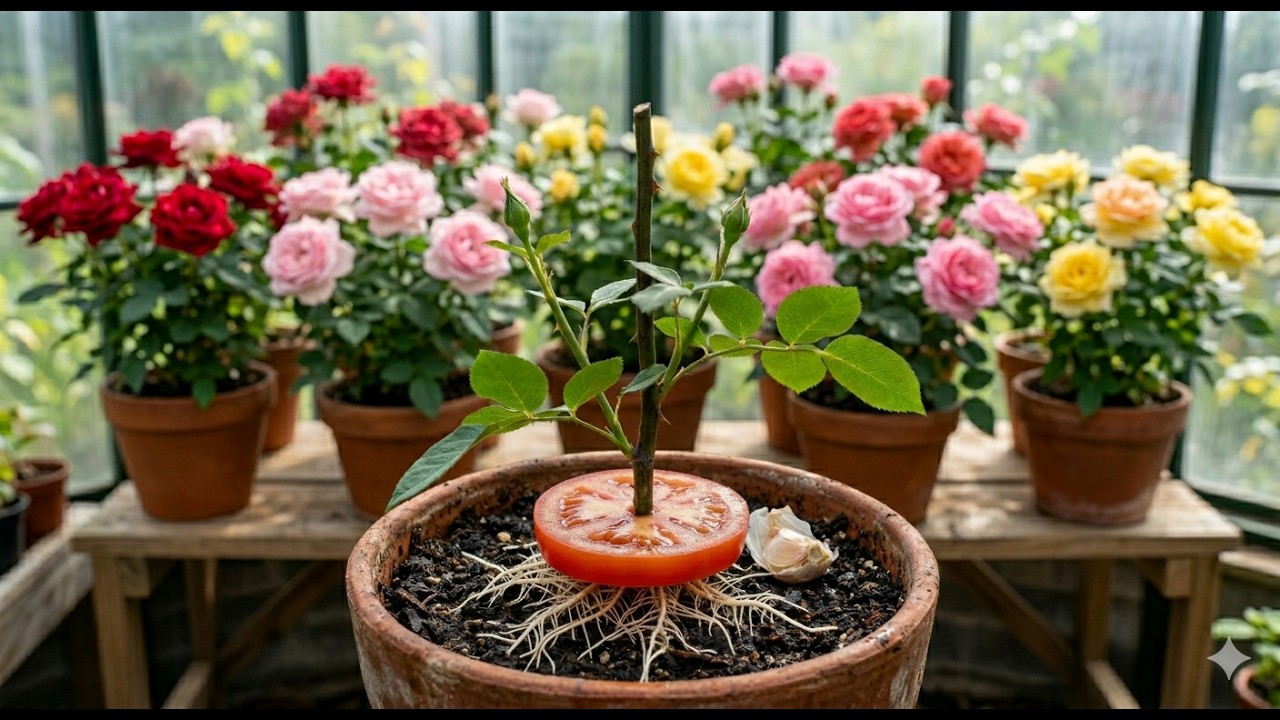
Root Rose Cuttings in Just 7 Days with This Simple Trick!
Root Rose Cuttings in Just 7 Days: A Simple Guide
- Introduction
- Benefits of Rooting Rose Cuttings
- Materials Needed
- Step-by-Step Guide
- Common Mistakes
- FAQ
- Conclusion
Introduction
Have you ever admired a friend’s blooming rose bush and wished you could have one of your own? Taking cuttings seems straightforward, but many find it tough to achieve roots quickly. You may have experienced failures in propagating roses, leading to frustration. Don’t worry, as there are methods to encourage rapid growth. Keep reading to discover helpful tips that can help you root your rose cuttings efficiently.
Benefits of Rooting Rose Cuttings
Understanding the advantages of rooting rose cuttings can inspire you to try this rewarding gardening activity:
- Cost-effective: Propagating your roses saves money compared to buying new plants.
- Preserve favorites: You can clone your favorite varieties, ensuring you maintain the specific traits you love.
- Variety expansion: Experiment with different rose types easily by taking cuttings from friends’ gardens or local nurseries.
Materials Needed
Gathering the right materials is essential for successfully rooting your rose cuttings. Here is what you will need:
- Healthy rose cuttings: Look for stems that are about 6 inches long with at least two nodes.
- Potting mix: A well-draining potting mix will support healthy root development. Consider using a mix of peat moss and perlite.
- Containers: Small pots or trays will work well for your cuttings.
- Plastic wrapping: This will help maintain humidity; a plastic bag can suffice.
- Rooting hormone: Optional, but recommended for quicker results.
Step-by-Step Guide
This simple method will guide you through rooting your rose cuttings in just seven days:
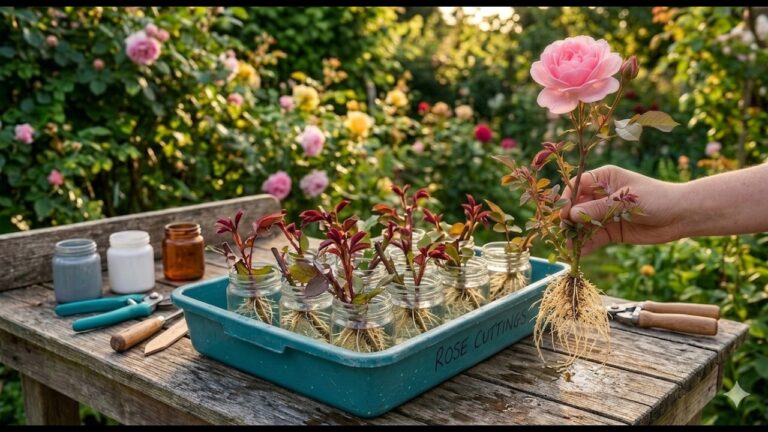
1. Start by preparing your cuttings. Use clean, sharp shears to take cuttings from healthy plants. Make a cut just below a node to encourage roots to form.
2. If you are using rooting hormone, dip the cut end of the cutting into it. This step can accelerate root development but isn’t strictly necessary.
3. Prepare your containers with the potting mix. Moisten the mix lightly, ensuring it is damp but not soggy.
4. Plant the cuttings about 2-3 inches deep into the potting mix. Ensure the nodes are covered as this is where roots will develop.
5. Cover the container with plastic wrapping to create a mini-greenhouse effect. This helps maintain humidity, which is crucial for rooting.
6. Place your containers in a warm, bright location, but avoid direct sunlight to prevent overheating.
7. Check your cuttings daily to ensure the mix remains moist. Remove the plastic wrap periodically for air exchange, as too much humidity can lead to mold.
Common Mistakes
Being aware of common pitfalls can help you achieve better success in rooting rose cuttings. Here are some mistakes to avoid:
- Using too long cuttings: Cuttings that are excessively long can struggle to root properly.
- Not preparating the cuttings correctly: Always make sure to take cuttings from healthy plants and cut just below a node.
- Using poor-quality soil: A mix that retains too much moisture can lead to rot, while poor drainage can hinder root development.
- Overwatering the cuttings: Too much water can drown young roots and lead to mold growth.
- Neglecting environmental conditions: Roses need an appropriate balance of light, warmth, and moisture to thrive.
FAQ
1. How long does it take for rose cuttings to root? Typically, rose cuttings can take about 2 to 3 weeks to root, but using the methods described can help achieve results in just 7 days.
2. Can I use regular soil instead of potting mix? While you can use garden soil, a quality potting mix is recommended for better drainage and aeration.
3. Is it necessary to use a rooting hormone? No, while rooting hormone can speed up the process, many gardeners have success without it.
Conclusion
Rooting your rose cuttings in just seven days is not only achievable but can also be a fulfilling gardening experience. By following these steps and avoiding common mistakes, you can enjoy beautiful blooms from your own garden. Have you tried propagating rose cuttings before? Share your experiences in the comments!