5 Secrets to Rooting Rose Cuttings with Garlic for Stronger Growth
5 Secrets to Rooting Rose Cuttings with Garlic for Stronger Growth
- Introduction
- Understanding the Rooting Process
- Benefits of Using Garlic
- Step-by-Step Guide to Rooting Rose Cuttings
- Common Mistakes to Avoid
- FAQ
- Conclusion
Introduction
Imagine nurturing beautiful roses from cuttings, only to find they’re wilting before they can root. It’s disheartening when your efforts to propagate new plants don’t flourish as you’d hoped. Propagating roses can be tricky, but little secrets, like using garlic, can make all the difference. Garlic isn’t just a flavorful addition to your kitchen; it may hold the key to stronger and healthier plant growth. Let’s explore how you can enhance your rose propagation success with this simple ingredient.
Understanding the Rooting Process
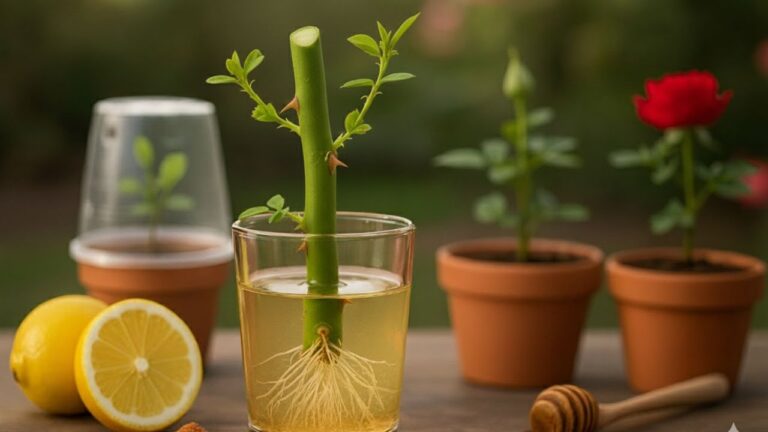
Before diving into the techniques, it’s essential to comprehend how rooting works. The process of rooting rose cuttings involves several key stages that are critical for success.
What Happens During Rooting?
When a cutting is taken, it goes through a series of changes before roots start forming. Here’s a brief overview:
- Water absorption: The cutting needs moisture to remain healthy while it develops roots.
- Cell division: The plant cells begin to split and multiply, forming new roots.
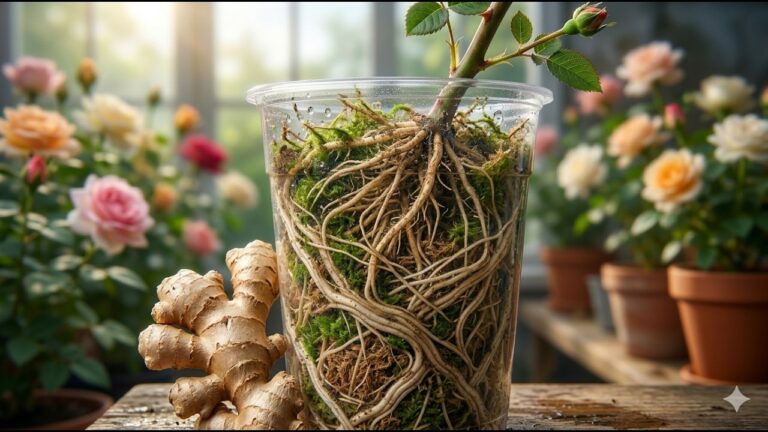
- Formation of roots: New root systems emerge, allowing the plant to absorb nutrients and water from the soil.
Ideal Conditions for Rooting
To facilitate this process, certain conditions should be met:
- Warm environment with indirect sunlight
- Well-draining soil or potting mix
- Consistent moisture levels without overwatering
Benefits of Using Garlic
Garlic has long been lauded for its health benefits for humans, but it also brings unique advantages to plant care.
Natural Antimicrobial Properties
One of the main advantages of garlic is its antimicrobial properties. These can help prevent fungal infections that may compromise your cuttings:
- Helps to keep diseases at bay
- Promotes healthier plant growth
Stimulates Root Growth
Garlic can stimulate root development in rose cuttings:
- Encourages faster rooting by boosting cellular growth
- Provides nutrients that support overall health
Step-by-Step Guide to Rooting Rose Cuttings
Now that you understand the benefits, here’s a comprehensive guide to successfully rooting your rose cuttings using garlic.
Materials Needed
- Healthy rose cuttings
- Fresh garlic cloves
- Potting mix or well-draining soil
- Small pots or containers
- Water
Steps to Rooting
- Prepare the garlic: Crush 1-2 garlic cloves to release their properties. Mix this with water and let it sit for several hours.
- Cut the roses: Take 6-8 inch cuttings from a healthy rose bush, ensuring they have at least two nodes.
- Moisten the cuttings: Dip the base of each cutting into the garlic-infused water, allowing it to absorb some of the nutrients.
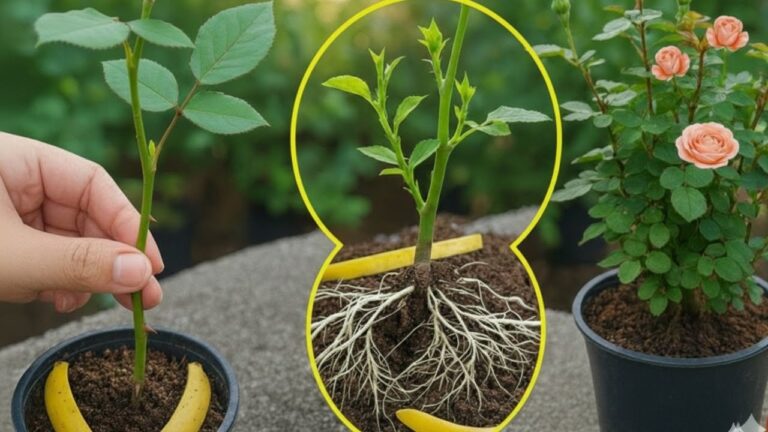
- Plant the cuttings: Insert the cuttings into the prepared soil, burying the node under the surface. Ensure the soil is well-draining.
- Water sparingly: Give the soil a gentle watering and place the pots in a warm, bright area with indirect sunlight.
Maintaining Your Cuttings
Keep an eye on your cuttings as they start to grow roots:
- Check moisture levels regularly, ensuring the soil remains damp but not soggy.
- After a few weeks, gently tug on the cuttings; resistance indicates root growth.
- Once roots are established, you can gradually transition the plants to larger pots.
Common Mistakes to Avoid
While rooting rose cuttings with garlic can be straightforward, several common pitfalls can hinder your success.
1. Using Weak Cuttings
Ensure your cuttings are healthy. Weak or pest-infested stems are unlikely to propagate well.
2. Overwatering
Excess moisture can lead to rot. Always check the soil before adding more water.
3. Too Much Sunlight
A direct harsh sunlight can stress your cuttings. Opt for indirect light instead.
4. Neglecting Fertilization
While rooting cuttings don’t require much fertilizer, providing a light nutrient boost can help.
5. Lack of Patience
Rooting takes time; rushing the process can lead to failure. Allow your cuttings the time they need to establish roots.
FAQ
Can I use any type of garlic for rooting?
Yes, any fresh garlic will work, but it’s best to avoid garlic that is dried out or sprouted.
How long does it take for rose cuttings to root?
Typically, it takes about 4 to 6 weeks for rose cuttings to develop roots, depending on conditions.
Do I need to use garlic every time I root cuttings?
Using garlic is beneficial but not strictly necessary; however, it can enhance your success rate when rooting cuttings.
Conclusion
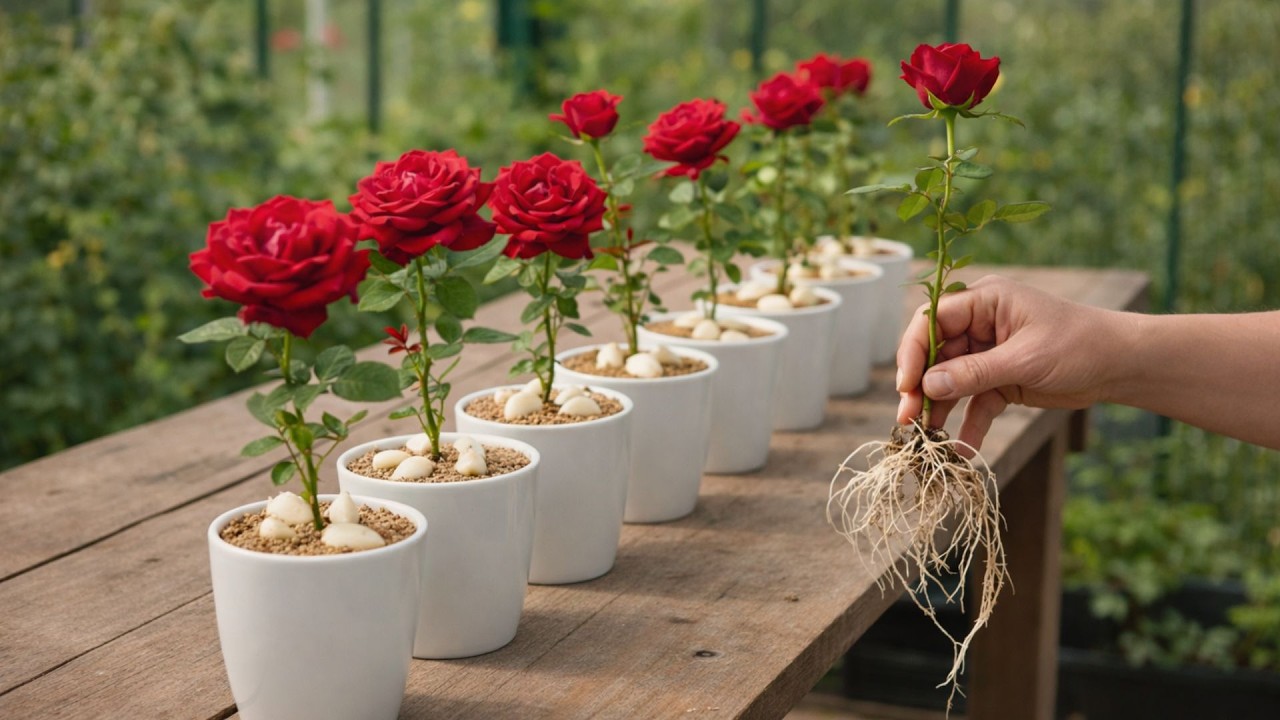
Rooting rose cuttings with garlic can increase your chances of success by providing essential nutrients and protection from disease. By understanding the process and avoiding common mistakes, you can enjoy beautiful roses in your garden. What tips do you have for propagating plants? Share in the comments below!