Root Rose Cuttings 10X Faster with This One Garlic Trick!
Root Rose Cuttings Faster with This Simple Garlic Method
- Introduction
- Understanding the Rooting Process
- Garlic as a Rooting Agent
- Steps to Use Garlic for Rooting
- Common Mistakes to Avoid
- FAQ
- Conclusion
Introduction
Have you ever tried propagating roses from cuttings only to find that they never seem to grow roots? Many gardeners face the frustration of slow or failed propagation efforts. It’s disheartening to put time and care into something that yields no results. If you’re looking for a natural and effective way to boost your rose cutting success, this guide will reveal an interesting method you won’t want to miss.
Understanding the Rooting Process
Before diving into the details of using garlic, it’s essential to understand how rooting works. When you take a cutting from a plant, it needs to be given the right conditions to stimulate root growth. Here are key components:
- Moisture: Cuttings require consistency in moisture to thrive.
- Hormones: Natural rooting hormones help encourage root development.
- Environment: The right temperature and light exposure are crucial for rooting success.
Why Some Cuttings Fail
Identifying common reasons for failure can help you ensure your process is effective. Factors like insufficient humidity, too much sunlight, or using cuttings from unhealthy plants can hinder growth.
Garlic as a Rooting Agent
Garlic has been recognized for its numerous benefits, not just in cooking but also for plant care. It contains compounds that promote root growth and can act as a natural antibiotic, protecting cuttings from fungal infections.
Benefits of Garlic for Rooting
- Antimicrobial Properties: Garlic helps prevent mold and disease.
- Nutrient Boost: It enhances soil fertility when used in small quantities.
- Root Growth Stimulator: The natural compounds in garlic promote quicker root development.
Preparing Garlic for Use
To maximize the benefits of garlic, prepare it correctly. You can either crush fresh garlic cloves or create a diluted garlic solution to dip your cuttings in.
Steps to Use Garlic for Rooting
Want to see your rose cuttings rooting faster? Follow these steps to implement garlic into your propagation process:
- Choose your Cuttings: Select healthy rose stems that are about 6 inches long.
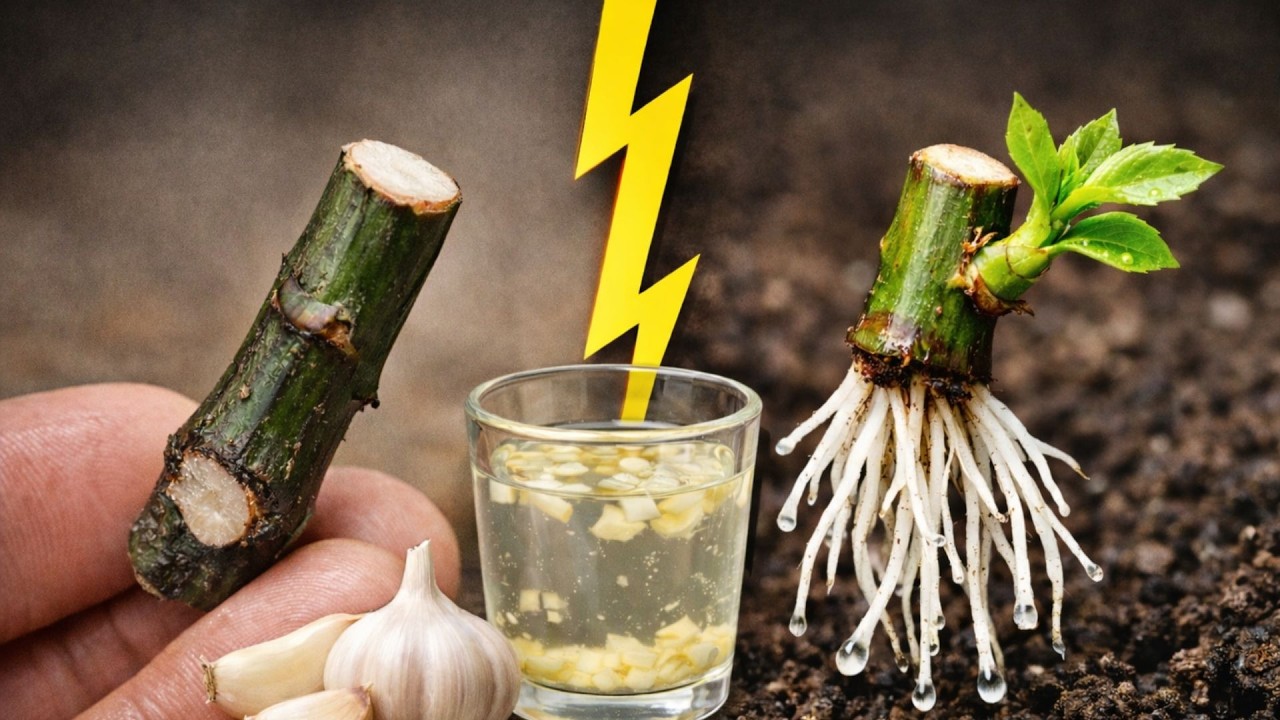
- Prepare the Garlic: Crush 2-3 garlic cloves and mix them in a cup of water. Let it steep for at least an hour.
- Dip the Cuttings: Soak the cut end of your rose cuttings in the garlic solution for a few minutes.
- Plant the Cuttings: Place the treated cuttings in well-draining soil, ensuring they get enough moisture.
- Provide the Right Conditions: Keep the soil moist and place them in a warm, indirectly lit area.
Monitoring Progress
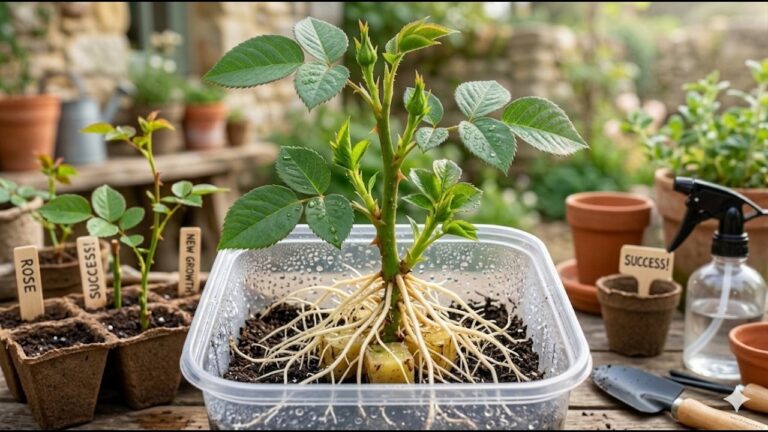
After a few weeks, check for signs of root growth. Be patient, as some varieties may take longer than others. Maintain soil moisture and humidity to facilitate successful rooting.
Common Mistakes to Avoid
Even with the benefits of garlic, it’s easy to make mistakes in the propagation process that can undermine your efforts. Here are common pitfalls:
- Using unhealthy cuttings: Always select cuttings from healthy plants to improve success.
- Overwatering: Too much moisture can lead to rot; ensure the soil is adequately drained.
- Neglecting humidity: Ensure adequate humidity levels when propagating to prevent desiccation.
- Too much sunlight: Protect your cuttings from harsh direct sunlight, as it can cause stress.
- Using chemical rooting agents: While effective, they can have negative side effects; opt for natural solutions like garlic.
FAQ
How long does it take for rose cuttings to root?
Typically, rose cuttings can take anywhere from 2 to 8 weeks to develop roots, depending on the variety and environmental conditions.
Can I use other plants instead of garlic?
Yes, other natural substances such as honey or willow water can also help promote rooting, but garlic is particularly effective due to its added antifungal properties.
Should I cover the cuttings?
Covering the cuttings with a plastic bag or a humidity dome can help maintain moisture levels, but ensure they have ventilation to prevent mold growth.
Conclusion
Using garlic can significantly enhance your rose cutting propagation efforts, leading to healthier roots and stronger plants. By understanding the rooting process and applying this simple method, you’ll be able to enjoy lush blooms in no time. What tips do you have for successful rose propagation? Share your thoughts in the comments below!