10 Secrets to Superfast Rose Propagation with Garlic You Need to Try!
10 Essential Secrets for Superfast Rose Propagation with Garlic
- Introduction
- Benefits of Using Garlic in Propagation
- How to Propagate Roses Using Garlic
- Common Mistakes to Avoid
- FAQ
- Conclusion
Introduction
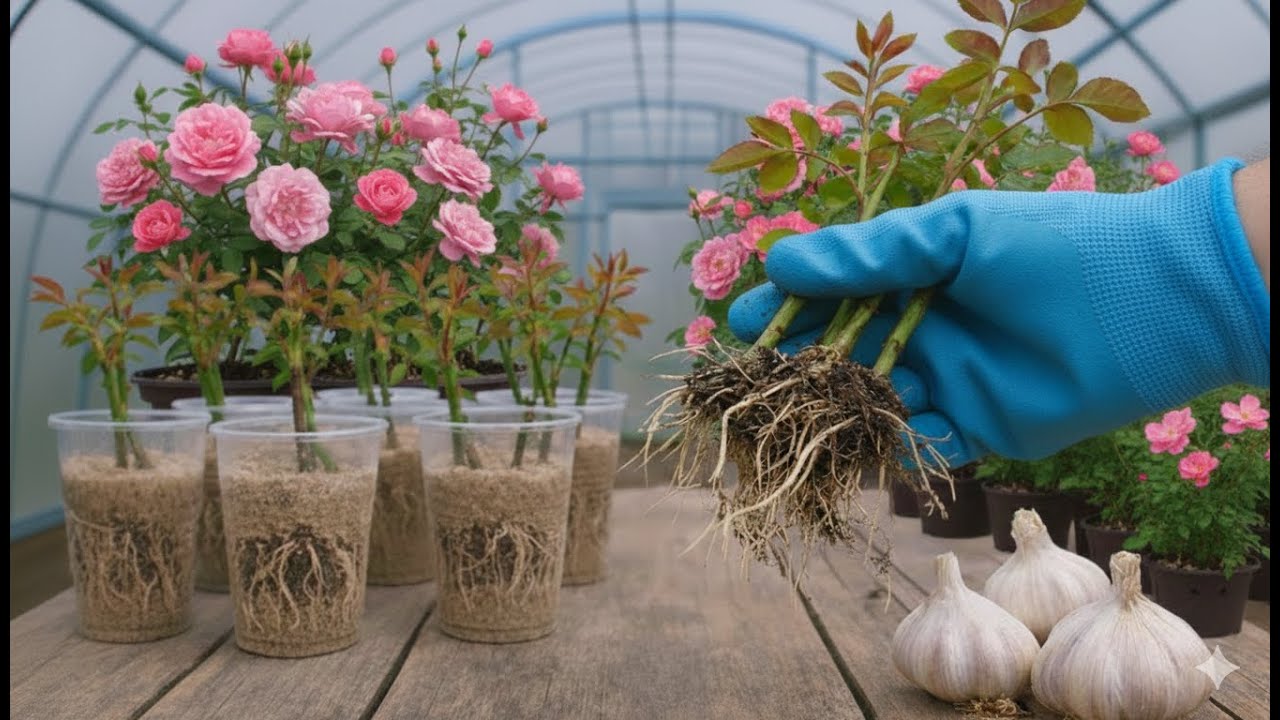
Have you ever tried to propagate roses, only to face disappointment as your cuttings wither away? Many gardening enthusiasts find themselves struggling with the propagation process. While traditional methods abound, there’s an unexpected ally waiting in your kitchen—garlic. This humble bulb not only elevates dishes but also acts as a natural growth enhancer. Discover how incorporating garlic can transform your rose propagation results and lead to flourishing plants.
Benefits of Using Garlic in Propagation
Using garlic in rose propagation offers several advantages that can enhance your gardening experience.
1. Natural Antimicrobial Properties
Garlic is known for its antimicrobial properties, which can help prevent fungal infections in your cuttings. By warding off harmful microbes, garlic ensures that your new rose plants have a healthier start.
2. Improved Rooting Potential
The compounds in garlic can stimulate root growth, giving your cuttings a robust foundation. This means your roses will not only sprout faster but also establish themselves in the soil more effectively.
3. Pest Deterrent
Garlic is a natural pest repellent that provides extra protection to your delicate cuttings from unwanted insects. This helps maintain a healthy environment for your new plants.
How to Propagate Roses Using Garlic
Follow this practical guide to effectively propagate your roses using garlic.
Required Materials
- Healthy rose cuttings (6-8 inches long, with at least 2-3 leaf nodes)
- Fresh garlic cloves (2-3 cloves)
- Rooting hormone (optional)
- Potting soil
- Containers or pots
Step-by-Step Propagation Process
- Prepare garlic: Crush the garlic cloves and mix with a little water to create a diluted garlic solution.
- Prepare cuttings: Take your rose cuttings and trim them to remove any excess leaves. You can dip the base in rooting hormone if desired.
- Soak cuttings: Place the cut ends of the cuttings in the garlic solution for about 30 minutes to benefit from the natural compounds.
- Plant in soil: Fill your containers with potting soil, create small holes, and gently insert the soaked cuttings.
- Water: Moisten the soil but avoid waterlogging. Keep the soil evenly moist as your cuttings establish roots.
Ideal Conditions for Growth
- Provide indirect sunlight to prevent scorching.
- Maintain a consistent temperature between 65°F to 75°F (18°C to 24°C).
- Keep humidity levels high, using a plastic cover if necessary.
Common Mistakes to Avoid
When propagating roses with garlic, it is essential to steer clear of common blunders that might impede your success.
- Overwatering your cuttings, which can lead to rot.
- Using cuttings that are too mature or woody rather than soft, new growth.
- Neglecting to maintain humidity, which is crucial for successful rooting.
FAQ
Can I use any type of garlic for propagation?
Yes, you can use any fresh garlic. Just ensure it’s healthy and free from mold.
How long does it take for rose cuttings to root?
Typically, rose cuttings can take 2 to 4 weeks to show roots, depending on environmental conditions.
What type of roses works best for propagation?
Hybrid tea roses and floribundas are particularly successful for propagation using cuttings.
Conclusion
Using garlic can dramatically improve your rose propagation results, offering natural support from start to finish. By following these tips and avoiding common mistakes, you’re well on your way to thriving roses. What experiences do you have with rose propagation? Share your thoughts in the comments!