5 Effective Ways to Reduce Swelling in Legs and Feet Fast!
5 Effective Ways to Reduce Swelling in Legs and Feet Fast
- Understanding Swelling
- Home Remedies for Swelling
- Lifestyle Adjustments
- Common Mistakes to Avoid
- FAQ
You’ve had a long day on your feet, and now your legs and feet feel heavy and swollen. This discomfort can sometimes make it difficult to focus on your evening activities. It can be frustrating to deal with swelling that seems to appear out of nowhere and lingers longer than you expect. Fortunately, there are effective ways to alleviate this issue quickly and help you feel better. Keep reading to discover practical solutions you can try at home.
Understanding Swelling
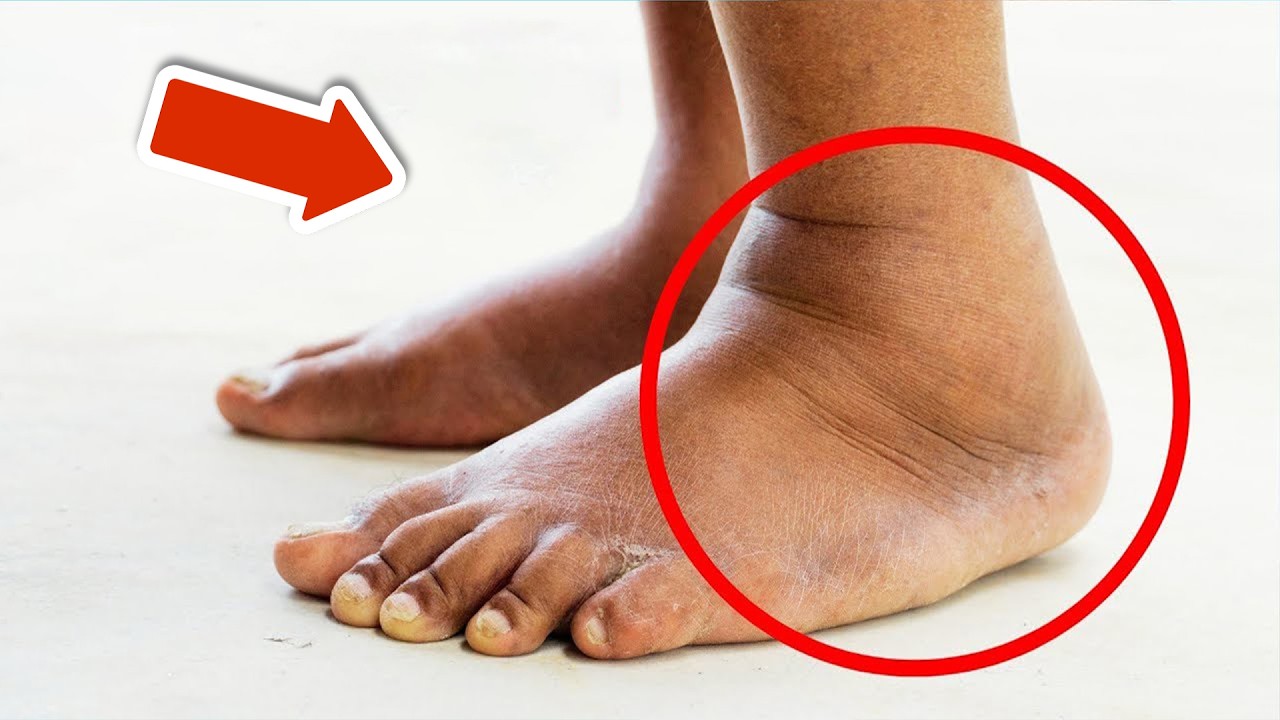
Swelling, or edema, can occur for various reasons, including prolonged sitting or standing, high salt intake, or even a hot day. Understanding what causes your swelling can help tailor your approach to reducing it.
Causes of Swelling
- Prolonged standing or sitting can cause fluid to accumulate in your lower extremities.
- A high sodium diet can lead to water retention.
- Hormonal fluctuations, especially during menstrual cycles, can cause temporary swelling.
Symptoms to Watch For
Besides visible swelling, look out for symptoms such as tenderness, pain, or a feeling of heaviness. If you experience sudden swelling accompanied by other symptoms like shortness of breath, it may be time to consult a healthcare professional.
Home Remedies for Swelling
There are numerous natural remedies you can try to reduce swelling effectively. These options often require items you may already have at home.
1. Elevation
Raising your legs can help gravity assist in moving fluids away from your feet. To do this:
- Find a comfortable position on your couch or bed.
- Prop your legs up using pillows or cushions, making sure they are above heart level.
- Remain in this position for at least 30 minutes for optimal results.
2. Cold Compress
A cold compress can reduce swelling and numb the discomfort:
- Wrap ice or a cold pack in a towel to avoid direct contact with your skin.
- Apply it to the swollen areas for 15-20 minutes.
3. Herbal Tea
Certain herbal teas can act as natural diuretics to help reduce water retention:
- Ginger tea is known for its anti-inflammatory properties.
- Dandelion tea can promote fluid balance in the body.
Lifestyle Adjustments
Making a few changes to your daily routine can help mitigate swelling over time. Here are some suggestions:
1. Stay Hydrated
Drinking plenty of water helps flush excess sodium from your body:
- Aim for at least 8 glasses of water each day.
- Try adding lemon or cucumber slices for added flavor.
2. Adjust Your Diet
Monitoring your sodium intake can have a significant impact:
- Limit processed foods, which often contain high levels of sodium.
- Incorporate potassium-rich foods like bananas, sweet potatoes, and spinach, which can help balance fluids.
3. Regular Movement
Exercise is crucial in promoting healthy circulation:
- Incorporate daily walks into your routine for at least 30 minutes.
- Try calf raises to help improve blood flow in your legs.
Common Mistakes to Avoid
Making the wrong choices during swelling episodes can exacerbate your discomfort. Here are some common mistakes to watch out for:
- Relying solely on sitting or lying down without elevating your legs.
- Ignoring your sodium intake, which can contribute to water retention.
- Avoiding movement altogether instead of incorporating light exercise.
FAQ
What is the best way to reduce swelling quickly? Elevating your legs, applying a cold compress, and staying hydrated are effective immediate solutions.
Can I use over-the-counter medications for swelling? Yes, anti-inflammatory medications may help, but consult a healthcare provider for recommendations.
When should I see a doctor about swelling? If your swelling is severe, persistent, or accompanied by other worrying symptoms like chest pain, seek medical advice.
Reducing swelling in your legs and feet can often be achieved through simple home remedies and lifestyle adjustments. By understanding the root causes and taking proactive steps, you can relieve discomfort effectively. What strategies have you found most helpful for managing swelling?