5 Fast Ways to Remove Varicose Veins Without Surgery You Need to Try!
5 Natural Remedies to Reduce the Appearance of Varicose Veins
- Understanding Varicose Veins
- Natural Remedies for Varicose Veins
- Lifestyle Changes for Better Vein Health
- Common Mistakes to Avoid
- FAQ
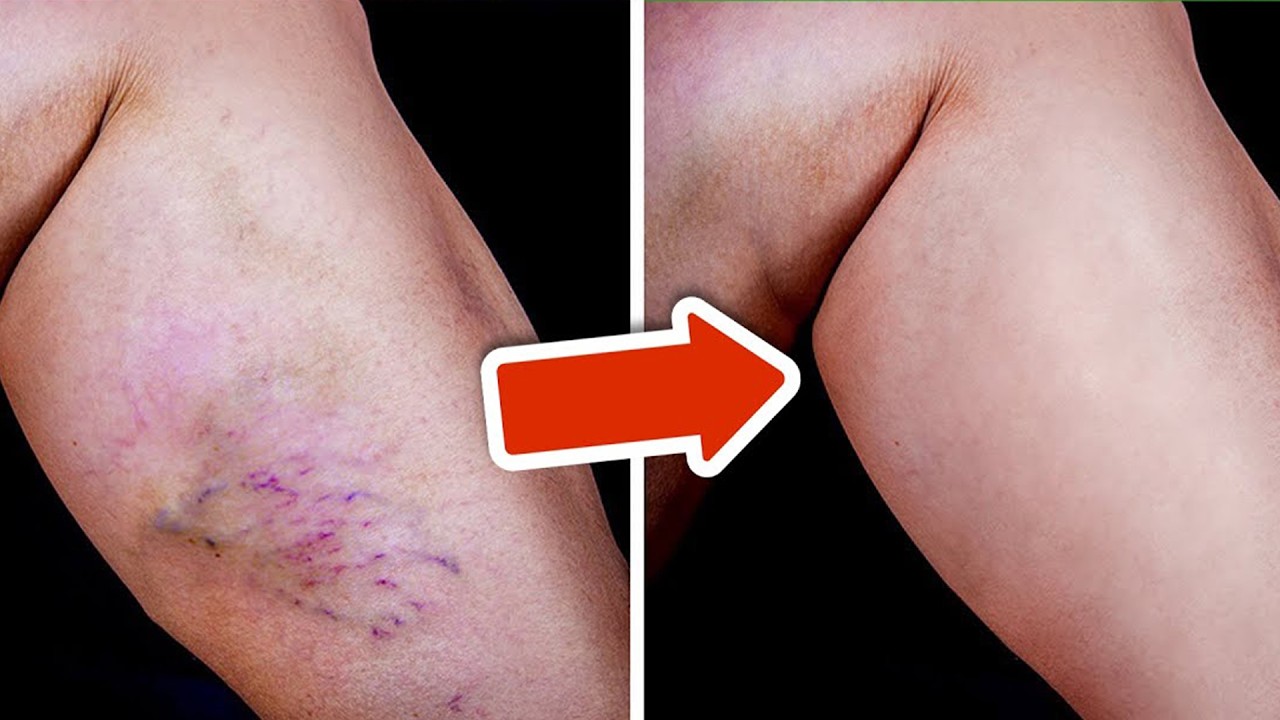
Many people experience the discomfort and aesthetic concerns of varicose veins. You might notice these swollen veins on your legs, feeling self-conscious about wearing shorts or skirts. While surgical options exist, there are also gentle and effective methods to alleviate their appearance. Your journey to healthier-looking legs can start with understanding how to manage and treat these veins naturally. Let’s explore some solutions that could help you regain your confidence.
Understanding Varicose Veins
Varicose veins are swollen, twisted veins that usually occur in the legs and feet. They result from weak valves that allow blood to pool in the veins. Various factors contribute to their development, including genetics, age, and lifestyle choices. Recognizing the symptoms and underlying causes can empower you to take steps for improvement.
Symptoms to Watch For
- Aching or heaviness in the legs, especially after prolonged standing
- Swelling around the ankles and feet
- Itching or skin irritation near the affected veins
Causes of Varicose Veins
Common causes include:
- Hormonal changes during pregnancy or menopause
- Age, as veins lose elasticity over time
- Obesity, which adds pressure on leg veins
Natural Remedies for Varicose Veins
Several natural remedies can help you manage the appearance of varicose veins effectively. Each method benefits your veins and overall health.
1. Apple Cider Vinegar
Apple cider vinegar is known for its effectiveness in improving circulation. You can apply it directly to the affected areas or consume it diluted in water.
- Soak a cloth in undiluted apple cider vinegar.
- Place the cloth on the varicose veins for 30 minutes.
- Repeat daily for best results.
2. Horse Chestnut Extract
Horse chestnut is another popular solution. It contains aescin, which can strengthen vein walls and reduce swelling.
- Look for creams or supplements that contain horse chestnut extract.
- Follow the recommended dosage on the product label.
3. Olive Oil and Essential Oils
Mixing olive oil with essential oils, such as lavender or rosemary, can provide relief. Massage the mixture into the legs to increase circulation.
- Combine 2 tablespoons of olive oil with 5 drops of your chosen essential oil.
- Massage the mixture into the legs in upward strokes.
- Repeat daily to see improvement.
4. Aloe Vera Gel
Aloe vera is calming and can soothe the skin while improving circulation around varicose veins.
- Apply fresh aloe vera gel to the affected areas.
- Leave it on overnight and rinse in the morning.
Lifestyle Changes for Better Vein Health
In addition to natural remedies, making certain lifestyle changes can significantly impact the health of your veins.
1. Regular Exercise
Exercise improves blood circulation and helps maintain a healthy weight. Aim for at least 30 minutes of moderate exercise most days.
- Walking or cycling are excellent choices.
- Incorporate leg exercises, such as calf raises and leg lifts.
2. Elevating Your Legs
Whenever possible, try to elevate your legs to ease pressure on the veins. This practice can help reduce swelling and discomfort.
- Rest with your legs elevated for 15-20 minutes after long periods of standing or sitting.
- Use a pillow or cushion for support.
3. Wearing Compression Stockings
Compression stockings are designed to support your veins, improving circulation. They can be especially beneficial during prolonged standing or travel.
- Choose the right compression level, usually available in pharmacies.
- Wear them throughout the day for optimal results.
Common Mistakes to Avoid
When managing varicose veins, it’s important to avoid common missteps that may hinder your progress.
1. Neglecting Routine Movement
Sitting or standing for long periods can exacerbate symptoms. Ensure you incorporate movement throughout your day.
2. Skipping Hydration
Dehydration can affect circulation, so make sure you’re drinking plenty of water.
3. Ignoring Early Symptoms
If you notice early signs of varicose veins, such as pain or swelling, consider starting a treatment plan sooner rather than later.
FAQ
What are varicose veins?
Varicose veins are swollen and twisted veins commonly found in the legs, often resulting from weakened valves that disrupt blood flow.
Can varicose veins be prevented?
While they may not be entirely preventable, making lifestyle changes like regular exercise and maintaining a healthy weight can significantly reduce your risk.
Are natural remedies effective?
Many people find success with natural remedies for managing the appearance of varicose veins, though results can vary by individual.
In conclusion, there are various natural remedies and lifestyle changes that can help you manage the appearance of varicose veins effectively. By incorporating these practices into your daily routine, you can work toward healthier legs. Have you tried any remedies for varicose veins that worked for you?