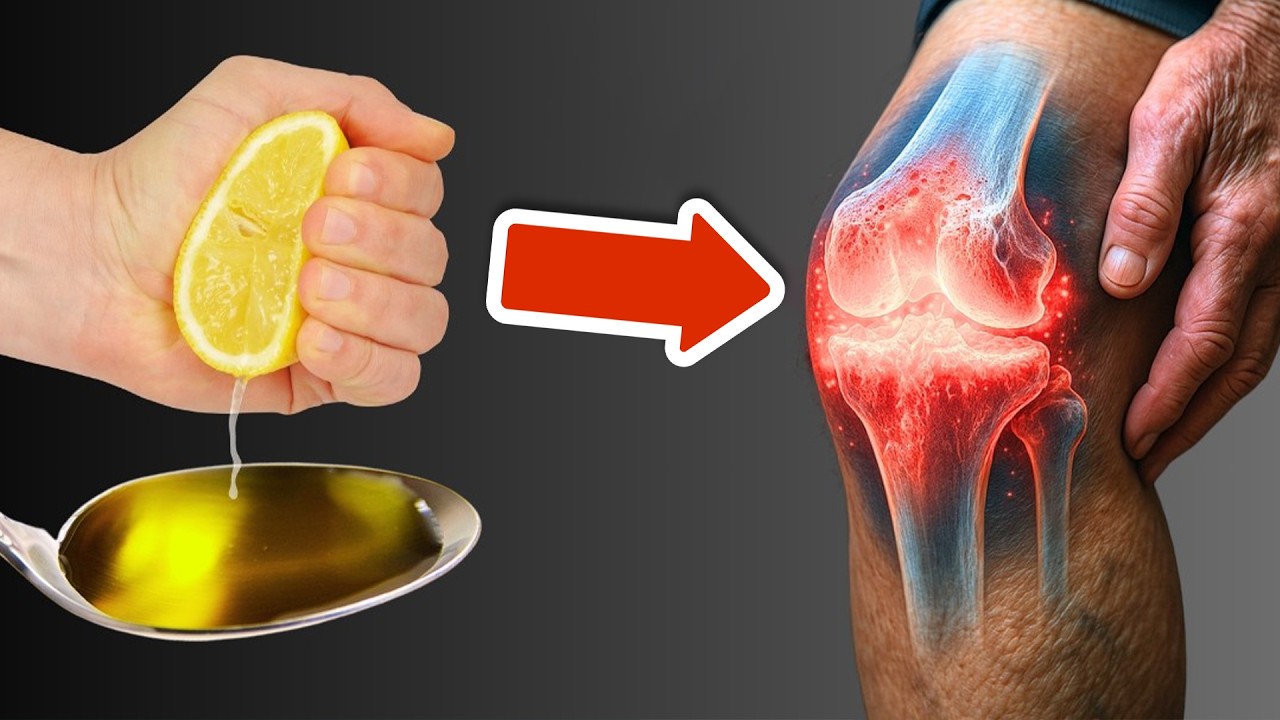
7 Secrets to Rebuild Knee Cartilage Fast and Effectively!
7 Effective Ways to Support Knee Cartilage Regeneration
- Understanding Knee Cartilage
- Beneficial Nutrients for Cartilage Health
- Natural Remedies for Knee Cartilage
- Lifestyle Changes to Promote Healing
- Common Mistakes in Cartilage Recovery
- Frequently Asked Questions
Understanding Knee Cartilage
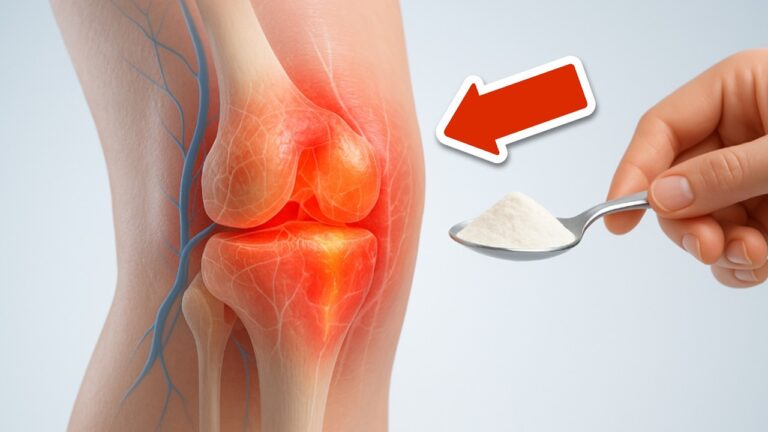
Knee cartilage plays a crucial role in maintaining joint function and mobility. Without healthy cartilage, you may experience pain, swelling, and stiffness during daily activities. Various reasons can lead to cartilage deterioration, including aging, injuries, and certain medical conditions. Recognizing these factors is essential, as they can significantly impact your recovery process. It’s important to grasp how cartilage functions to better take care of your knees and promote healing. Let’s delve deeper into how you can encourage cartilage regeneration naturally.
Beneficial Nutrients for Cartilage Health
A well-rounded diet rich in specific nutrients can strengthen your knee cartilage. Here are some essential components to include in your meals:
- Omega-3 fatty acids: Found in fish like salmon and walnuts, these healthy fats can help reduce inflammation and promote joint health.
- Vitamin C: Essential for collagen production, which is vital for cartilage structure. Citrus fruits, berries, and bell peppers can significantly increase your intake.
- Glucosamine and Chondroitin: These supplements may aid in cartilage repair and reduce joint pain. Consider consulting a healthcare provider for proper dosage.
Integrate these nutrients into your daily meals for optimal knee health. You can try a salmon salad with mixed greens and citrus dressing or a smoothie filled with berries and spinach to maximize these benefits.
Natural Remedies for Knee Cartilage
Several natural remedies may assist in the regeneration of your knee cartilage. Here are a few to consider:
- Turmeric: This bright yellow spice contains curcumin, a compound known for its anti-inflammatory properties. Incorporating turmeric in your cooking or consuming it as a tea can be beneficial.
- Ginger: Another anti-inflammatory herb, ginger can soothe joint pain. Add it to soups, stir-fries, or have it in a tea form.
- Cold and hot compresses: Alternating between cold and hot packs can help alleviate pain and inflammation in the knees.
Always remember to consult with a healthcare professional before introducing new herbs or remedies into your routine. These options can often complement other treatment methods effectively.
Lifestyle Changes to Promote Healing
Alongside proper nutrition and remedies, adopting certain lifestyle changes can greatly enhance your knee cartilage recovery:
- Stay active: Regular, low-impact exercises like swimming or cycling can help maintain joint mobility without adding excessive strain on your knees.
- Maintain a healthy weight: Excess weight puts extra pressure on your joints, potentially worsening cartilage damage. Consider incorporating small changes to your diet and exercise routine to promote a healthy weight.
- Get Quality Sleep: Good sleep is vital for healing. Prioritize restful sleep to allow your body to recover.
Integrating these lifestyle changes can lead to overall better joint health and contribute to cartilage regeneration.
Common Mistakes in Cartilage Recovery
As you work towards regenerating your knee cartilage, be cautious of these common mistakes:
- Neglecting professional advice: For optimal results, always seek guidance from healthcare professionals rather than solely relying on home remedies.
- Overexerting yourself: While staying active is important, overdoing your workouts can exacerbate joint issues instead of aiding recovery.
- Ignoring body signals: Pay attention to pain and discomfort. If an activity causes pain, it may be wise to modify your approach or seek alternatives.
Frequently Asked Questions
What is the best supplement for knee cartilage? Glucosamine and chondroitin supplements are commonly recommended for supporting cartilage health.
Can diet really affect knee cartilage? Yes, a diet rich in specific nutrients can greatly influence cartilage health and promote regeneration.
How long does it take to regenerate knee cartilage? Recovery time can vary widely depending on individual conditions, lifestyle changes, and following the right strategies.
Conclusion
Supporting your knee cartilage involves a combination of proper nutrition, natural remedies, and lifestyle adjustments. By understanding what helps and what hinders, you can work towards healthier joints. What strategies have you found effective for knee health? Your experiences could help others on this journey.