5 DIY Stoves to Keep You Warm for Free This Winter – Perfect for Camping and Survival!
5 DIY Stoves to Keep You Warm for Free This Winter
Introduction
As winter approaches, staying warm becomes a priority, especially in outdoor settings like camping or during power outages. Traditional heating options can be expensive or impractical, leaving many seeking alternatives. You might find yourself wondering how to create a reliable heat source without breaking the bank. Luckily, there are several DIY stoves that not only provide warmth but also make efficient use of readily available materials. Let’s explore these innovative designs and see how you can benefit from them this winter.
Materials You’ll Need
Before diving into the designs, let’s gather the necessary materials for building your DIY stove. Here are the essentials you’ll need:
- Metal containers: Look for cans, pots, or trays.
- Fuel sources: Wood, dried leaves, or small twigs work well.
- Insulation: Use materials like dirt or sand for better heat retention.
- Tools: Keep a hammer, nails, and a heat-resistant surface handy.
With these materials in place, you’ll be ready to create the warmth you need.
Top 5 DIY Stove Designs
Now let’s look at five effective designs to keep you warm and cozy during the winter months.
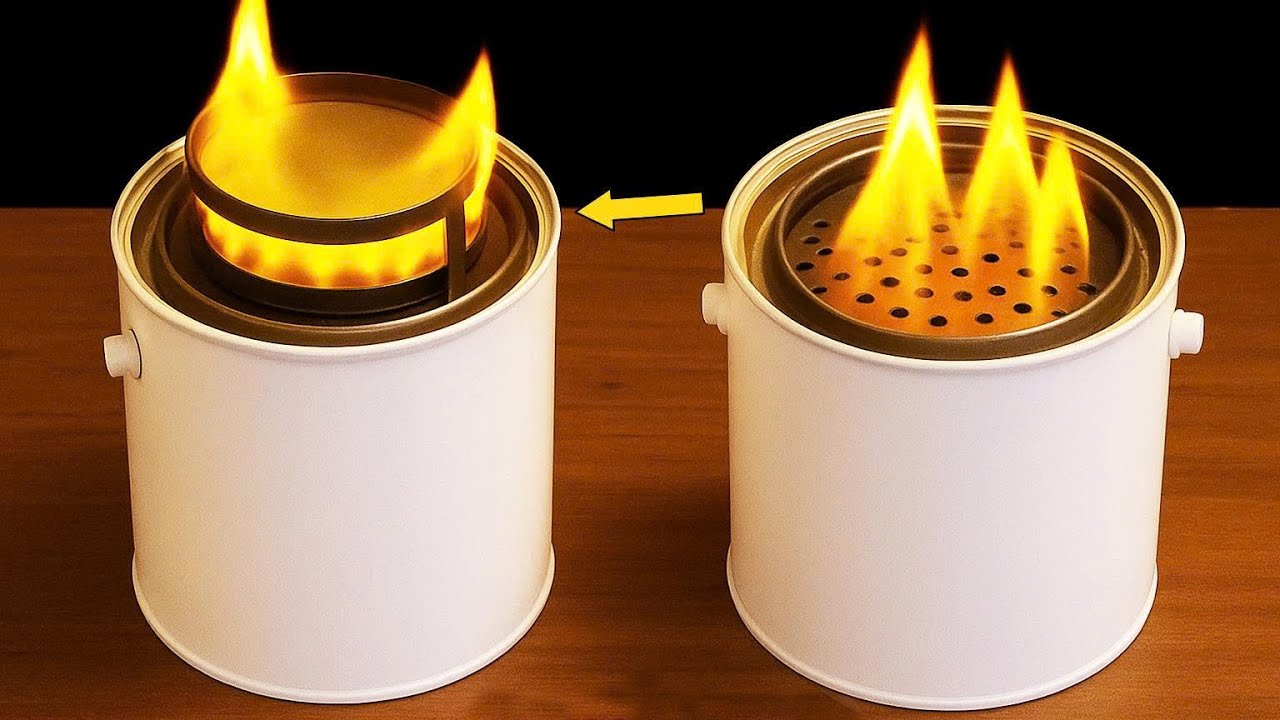
1. Tin Can Stove
This simple stove is perfect for heating small spaces while camping.
- Prepare your can: Use a larger tin can as the base and a smaller one to fit inside it.
- Create air holes: Punch holes in the larger can for airflow.
- Add fuel: Place twigs or small pieces of wood between the two cans.
This design efficiently channels heat and is easy to assemble.
2. BioLite Stove
If you’re interested in creating a more advanced design, consider the BioLite stove.
- Gather materials: You’ll need a metal container and a fan (from an old computer, for example).
- Construct the base: Use a can to create a small fire chamber and attach the fan.
- Power the fan: Connect it to a rechargeable battery.
This stove not only cooks food but also provides warmth efficiently.
3. Rocket Stove
A rocket stove is known for its efficiency and minimal fuel requirements.
- Build the frame: Use bricks or rocks to create a small “L” shaped frame.
- Add insulation: Fill gaps with soil or sand.
- Place fuel: Insert dried twigs or branches into the chamber.
The design concentrates heat, making it an excellent choice for cooking.
4. Mud Stove
If you have access to clay or mud, crafting a mud stove is a fun option.
- Shape the base: Mold mud into a circular shape to create a platform.
- Craft the cooking top: Build a flat surface to support pots.
- Let it dry: Allow the stove to dry completely before use.
This design is sustainable and can blend nicely into your natural surroundings.
5. Cinder Block Fire Pit
This is an easy yet powerful option for providing warmth while being easy to construct.
- Arrange cinder blocks: Create a square or circle, leaving gaps for airflow.
- Fill the base: Add sand or gravel to the bottom for insulation.
- Start your fire: Put wood inside the structure and light it up.
This design offers a robust heat source that’s perfect for larger gatherings.
Common Mistakes to Avoid
While constructing your DIY stove, it’s essential to be aware of potential missteps that could hinder your project.
- Using flammable materials: Avoid materials that can catch fire easily.
- Neglecting ventilation: Ensure proper airflow to prevent smoke buildup.
- Ignoring safety precautions: Always use your stove outdoors and away from flammable surfaces.
- Overloading with fuel: Too much wood can smother the fire.
FAQ
What materials can I use for a DIY stove?
You can use metal containers, bricks, or cinder blocks for the body and natural fuel sources like twigs or dried leaves.
Is it safe to use a DIY stove indoors?
It’s highly recommended to use DIY stoves outdoors only, as they can produce harmful smoke.
How can I ensure my stove burns efficiently?
Ensure proper airflow by providing enough ventilation and avoid overloading the stove with too much fuel.
Conclusion
Creating your own DIY stoves this winter can be a rewarding way to stay warm without spending money. Consider trying out one of the designs described here, and see how they can enhance your outdoor experience. Have you built any DIY stoves before? Share your experiences in the comments below!