Unlock 7 Secrets from a 60-Year Expert Cobbler for Perfect Shoe Repair!
Mastering the Art of Shoe Repair: Tips from a 60-Year Expert Cobbler
- Common Shoe Problems
- Essential Tools for Shoe Repair
- Step-by-Step Shoe Repair
- Mistakes to Avoid in Shoe Repair
- FAQ
Shoes are more than just a fashion statement; they carry the stories of our journeys. Over time, however, they often fall prey to wear and tear, leaving you wondering if it’s time to replace them. Whether it’s a worn-out heel or a scuffed toe, these common issues can make your favorite pair seem beyond repair. But instead of tossing them aside, there’s a wealth of knowledge and techniques that can bring them back to life. Curious to learn more about how you can tackle these shoe dilemmas?
Common Shoe Problems
Understanding the most frequent shoe issues is essential for effective repair. Here are some typical problems you may encounter:
- Worn out soles: This is one of the most common issues that can lead to leaks and discomfort.
- Loose stitching: This can happen over time due to regular use, affecting the structure of the shoe.
- Scuffed or scratched surfaces: These cosmetic damages can make even the best shoes look unattractive.
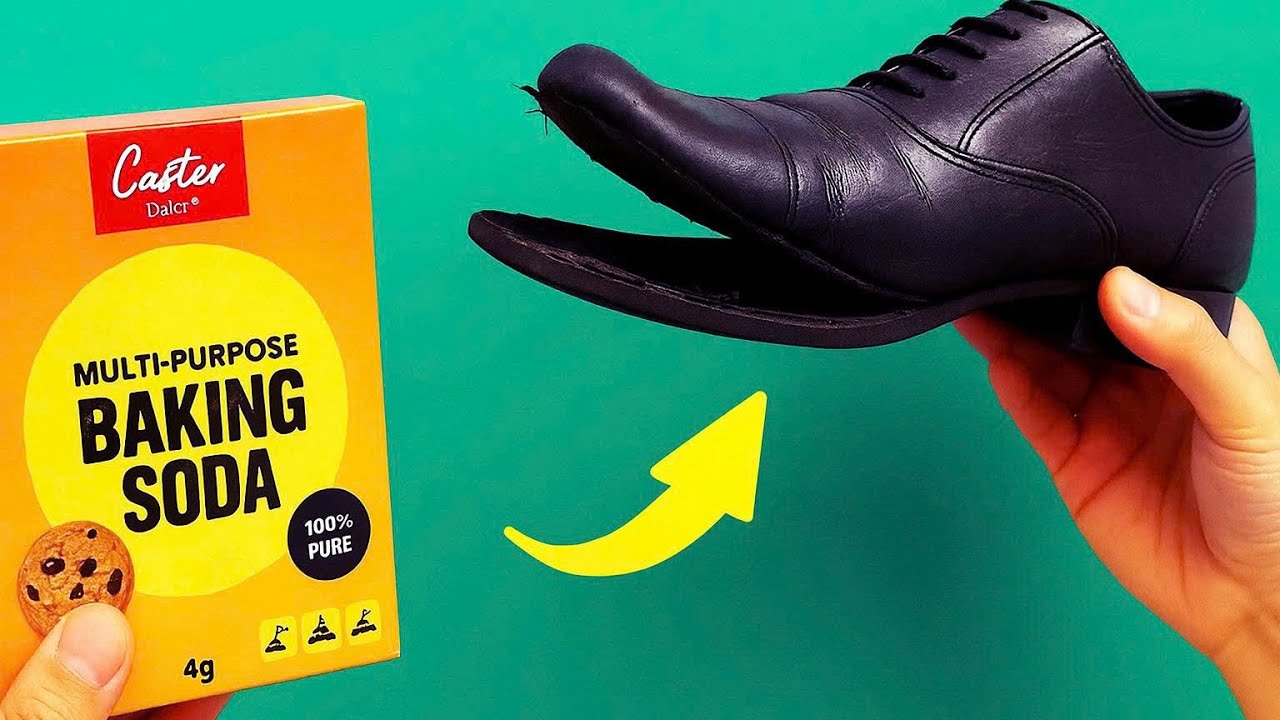
Worn Out Soles
When your sole starts to thin out, you’re risking water damage and discomfort. Inspect your shoes regularly for wear.
Loose Stitching
If you notice any loose threads, it’s best to address them promptly to prevent further damage.
Scuffed Surfaces
Scuffs can be easily repaired with the right techniques to restore your shoes’ original appearance.
Essential Tools for Shoe Repair
Equipping yourself with the right tools is the first step in successful shoe repair. Here’s a list of must-have items:
- Leather glue: Perfect for reattaching soles and repairing scuffs.
- Shoe polish: Helps to restore color and protect surfaces.
- Sewing kit: A kit with needles and thread can fix loose stitching easily.
- Sandpaper: Great for smoothing out rough edges of worn soles.
- Replacement laces: Fresh laces can significantly uplift the overall appearance.
Step-by-Step Shoe Repair
Bringing your beloved shoes back to life can be fulfilling. Here’s how to tackle some common repairs:
Repairing Worn Out Soles
- Clean the shoe thoroughly to remove dirt and debris.
- Apply a strong adhesive liberally on both the sole and the shoe’s bottom.
- Press the sole down firmly and let it cure as per the adhesive’s instructions.
Fixing Loose Stitching
- Thread your needle and tie a knot at the end of the thread.
- Insert the needle through the loose stitch area and pull it through.
- Reinforce by sewing over the same area a couple of times for durability.
Restoring Scuffed Surfaces
- Clean the affected area with a damp cloth.
- Apply leather conditioner or polish to the scuffed area.
- Buff the shoe to restore its shine.
Mistakes to Avoid in Shoe Repair
While repairing your shoes can be rewarding, there are common mistakes that can hinder your efforts:
- Ignoring regular maintenance: Regular cleaning and polishing can prevent major repairs.
- Using the wrong adhesive: Ensure you use products designed for the shoe material.
- Rushing repairs: Allow adequate time for adhesives to cure properly.
- Neglecting tools: Using improper tools can lead to unsatisfactory outcomes.
FAQ
What materials can be repaired by a cobbler? Most types of footwear, including leather, suede, and canvas, can be repaired. A cobbler can fix stitching, soles, and even some cosmetic damage.
How long do shoe repairs take? The time required varies depending on the type of repair, but most simple repairs can be done in a day or two.
Is it worth repairing old shoes? If the shoes are of high quality or hold sentimental value, repairing them can be a great choice both financially and emotionally.
Successfully repairing your shoes not only saves money but also extends their life. By understanding common issues and equipping yourself with essential tools, you can breathe new life into your favorite pair. What shoe repair project will you take on next?