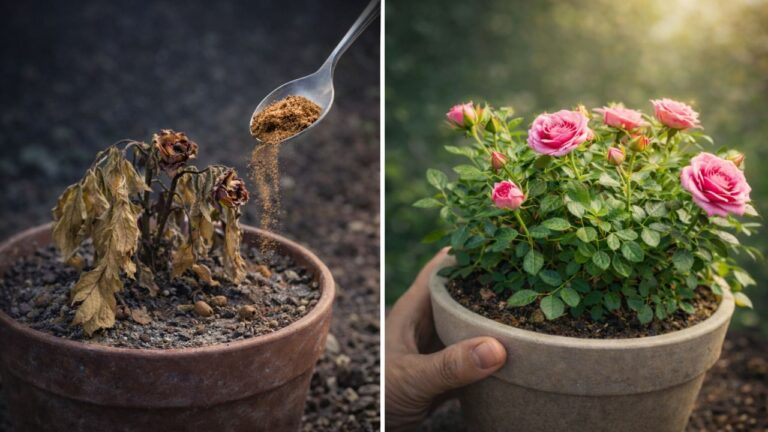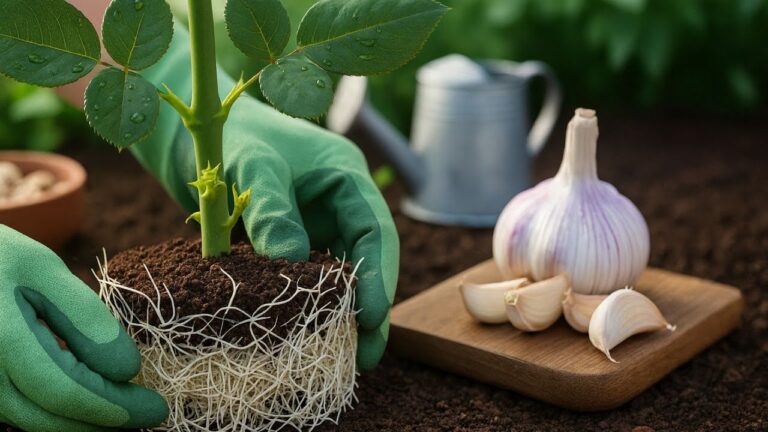
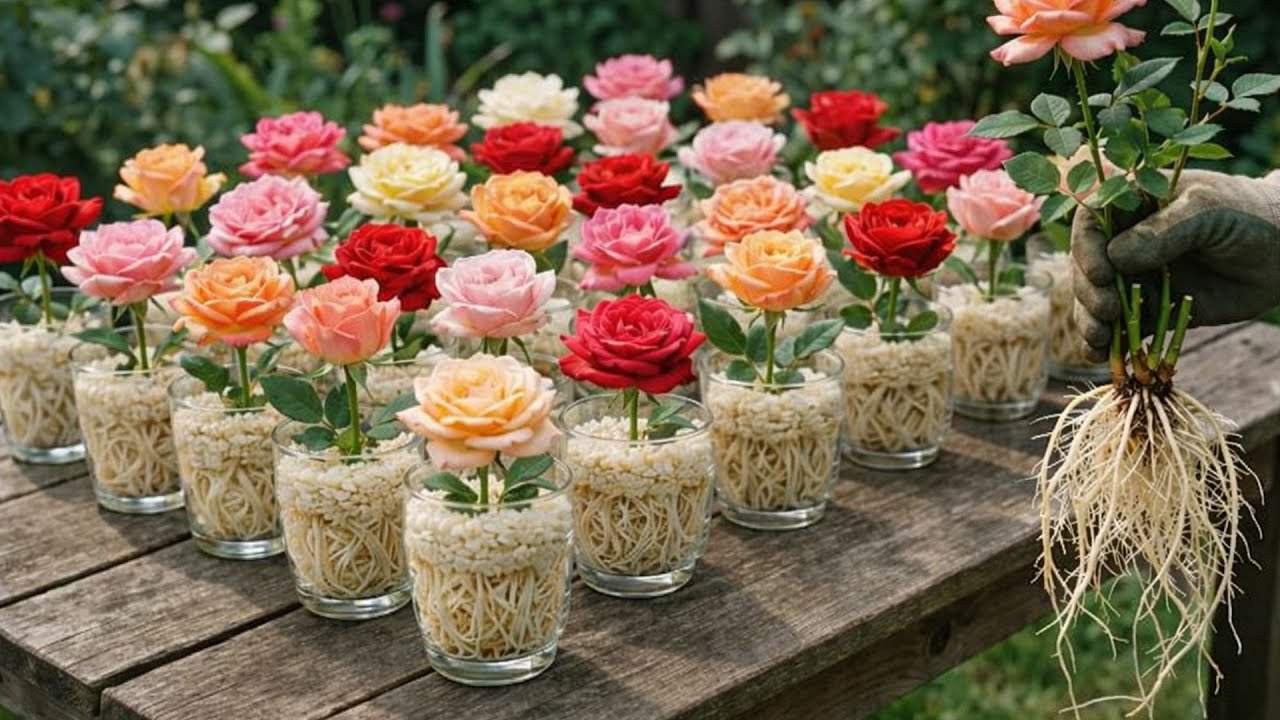
Discover 5 Simple Tricks to Make Your Rose Cuttings Root Fast!
5 Simple Tricks to Help Your Rose Cuttings Root Quickly
- Introduction
- Trick 1: Choose the Right Cuttings
- Trick 2: Use the Right Hormone
- Trick 3: Optimize Watering Techniques
- Trick 4: Create a Humid Environment
- Common Mistakes to Avoid
- FAQ
- Conclusion
Introduction
Growing roses from cuttings can be an incredibly rewarding task, yet it often comes with frustration when cuttings fail to root. You may find yourself wondering why some cuttings thrive while others wither away. Understanding the secrets to successful rose propagation will empower you to cultivate your own beautiful blooms at home. Let’s explore five simple tricks that will help your rose cuttings root quickly and efficiently.
Trick 1: Choose the Right Cuttings
The foundation of successful rooting lies in selecting high-quality cuttings. Here are some tips to ensure you choose the right ones:
1. Select Healthy Stems
- Pick cuttings that are firm and healthy, avoiding any that show signs of disease or damage.
- Opt for stems that are around 6 to 8 inches long and have several leaf nodes.
2. Time of Year Matters
It’s best to take cuttings in late spring or early summer when plants are actively growing, offering a higher chance of successful rooting.
3. Choose Softwood Over Hardwood
Softwood cuttings are more responsive to rooting hormones and generally have a higher success rate compared to hardwood varieties.
Trick 2: Use the Right Hormone
Using rooting hormone can significantly boost your cuttings’ chances of developing roots. Consider the following options:
1. Types of Rooting Hormones
- Powdered rooting hormones are convenient and easy to use; just dip the end of the cutting into the powder before planting.
- Gel-based formulas are effective and help to stick to the cutting, promoting better absorption.
2. Homemade Alternatives
If you prefer natural remedies, try using honey or cinnamon as they possess antimicrobial properties that can also encourage rooting.
Trick 3: Optimize Watering Techniques
Water management is crucial in the rooting process. Follow these simple strategies:
1. Use Well-Draining Soil
Ensure your potting mix is light and well-draining, as overly wet soil can lead to rot rather than new roots.
2. Monitor Moisture Levels
- Keep the soil consistently moist but not soggy to support root development.
- Provide bottom watering by placing pots in a tray of water for about 30 minutes, letting the soil absorb moisture from below.
Trick 4: Create a Humid Environment
1. Use a Plastic Bag or Dome
Cover your cuttings with a clear plastic bag or a humidity dome to trap moisture, enhancing the rooting process.
2. Mist Regularly
Gently mist the cuttings and the inside of the plastic cover daily to maintain humidity levels. Be careful not to overdo it, as excess water can lead to mold.
Common Mistakes to Avoid
Many enthusiasts overlook these common pitfalls when propagating rose cuttings:
- Not sterilizing equipment can introduce harmful pathogens to your cuttings.
- Choosing cuttings from plants that are not well-established can result in failed attempts.
- Overly moist soil can suffocate roots and lead to rot.
- Exposing cuttings to direct sunlight too soon may cause them to dry out.
- Neglecting to check humidity levels can stunt root growth.
FAQ
How long does it take for rose cuttings to root?
Depending on the conditions, it typically takes about 2 to 6 weeks for rose cuttings to develop roots.
Can I use just water for rooting rose cuttings?
While water can work, using soil or a rooting medium usually results in better root development.
Do I need to cover rose cuttings?
Yes, covering them helps maintain humidity, which is crucial for successful rooting.
Conclusion
By following these five simple tricks, you can enhance your chances of successful rose propagation. Remember to stay patient and observant as your cuttings progress. What has been your experience with rose cuttings? Share your thoughts in the comments below!