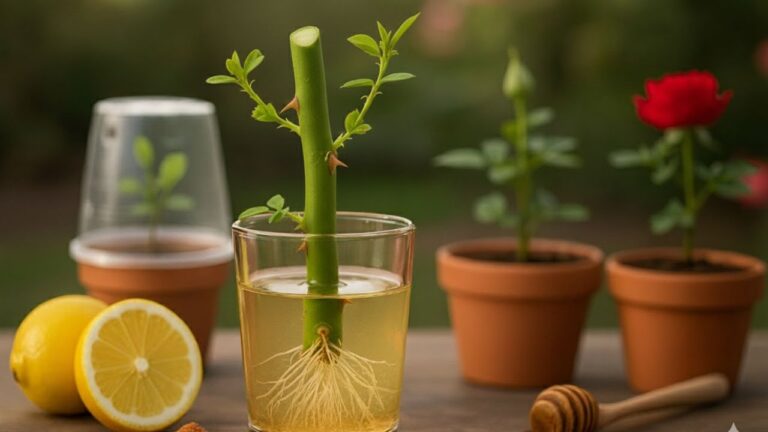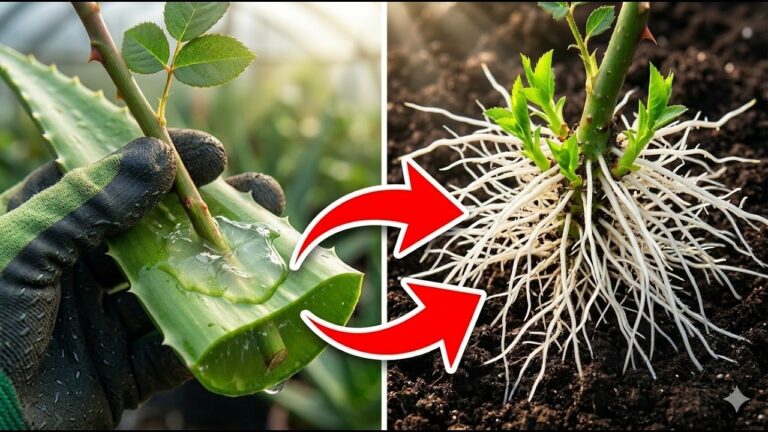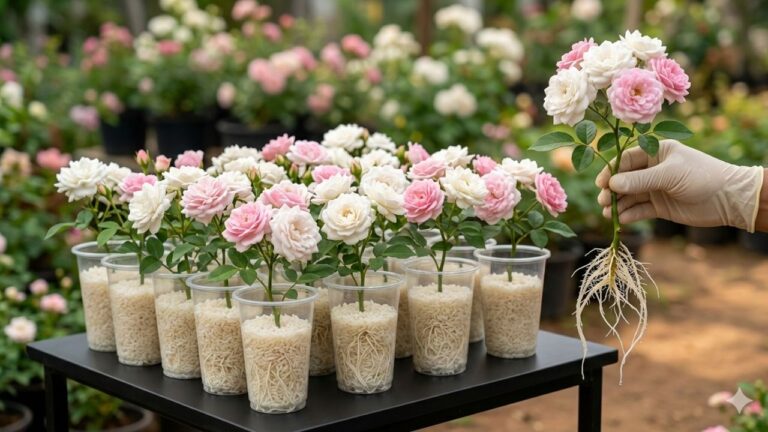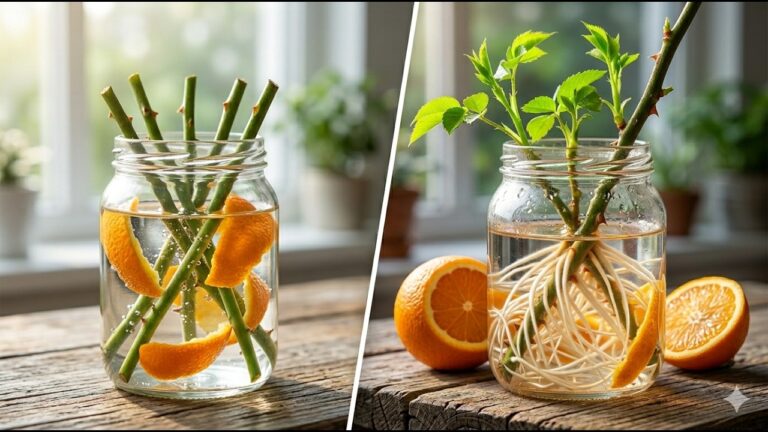
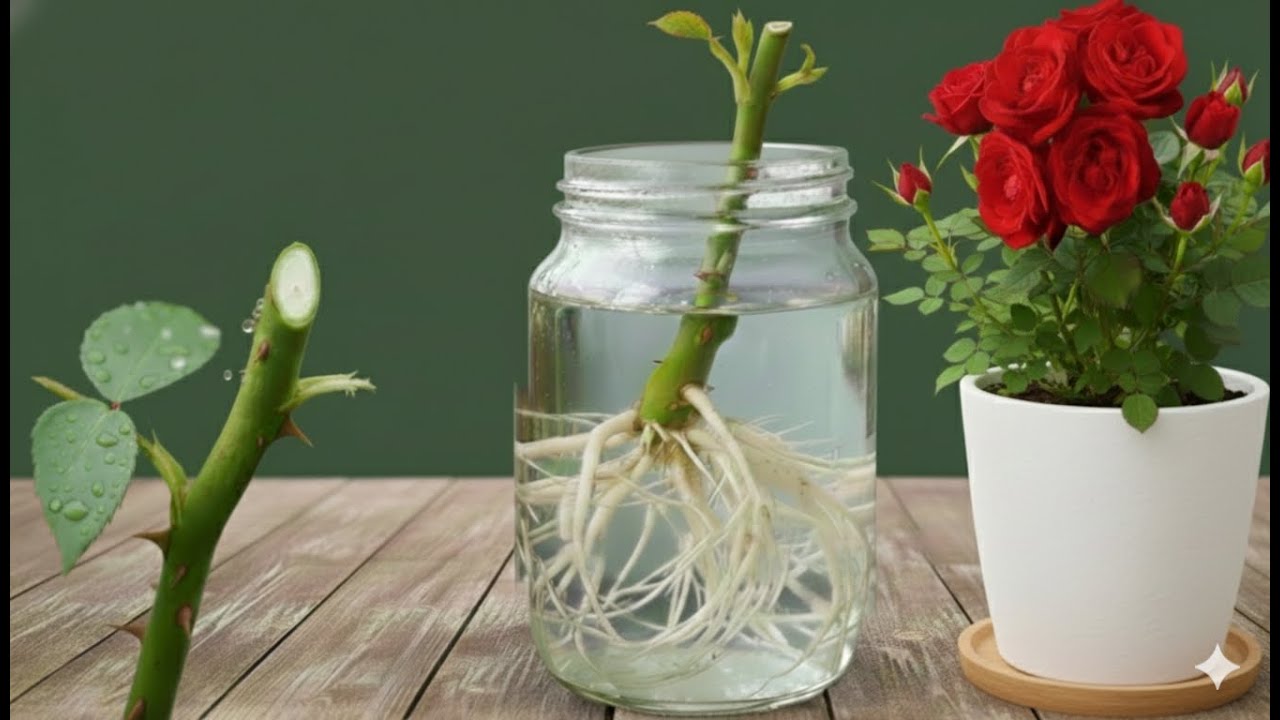
Grow 1001 Roots from Rose Cuttings with This One Simple Trick!
Grow 1001 Roots from Rose Cuttings with This One Simple Trick!
- Introduction
- Best Roses for Cuttings
- Preparing Your Cuttings
- Rooting Your Cuttings
- Mistakes to Avoid
- FAQ
- Conclusion
Introduction
Have you ever admired a friend’s beautiful rose garden, wishing you could have your own? The thought of growing stunning roses may seem daunting, especially if you’re new to gardening. You might have tried before but found that propagating those precious plants was more challenging than expected. Luckily, with the right knowledge and technique, you can easily grow roses from cuttings. Keep reading to discover how you can bring your rose garden dreams to life.
Best Roses for Cuttings
Choosing the right variety of roses is crucial for successful propagation. Some roses root easily and grow vigorously, making them ideal for beginners.
Popular Varieties for Beginners
- Floribunda – These roses are known for their clusters of blooms, providing a beautiful display.
- Hybrid Tea – With long stems and large blooms, these are perfect for cutting and sharing.
- Knock Out – Renowned for their resilience, these roses bloom repeatedly throughout the season.
Choosing the Right Season
For best results, consider taking cuttings in late spring or early summer when the growth is robust and healthy. You’ll find that the temperature and humidity are also conducive for rooting.
Preparing Your Cuttings
Once you’ve chosen your roses, the next step is preparation. This phase is crucial as it directly impacts your success rate.
Gather Your Tools
- Sharp pruners – To make clean cuts.
- Rooting hormone – This encourages faster root development.
- Pots or trays – For planting your cuttings.
- Potting mix – A well-draining mix is essential.
Taking Cuttings
Follow these steps to gather your cuttings:
- Select healthy stems – Pick stems that are about six inches long, with at least two to three nodes.
- Make the cuts – Cut just below a node at a 45-degree angle to optimize water absorption.
- Remove excess leaves – Trim any excess foliage, leaving only a couple of leaves for photosynthesis.
Rooting Your Cuttings
Now that your cuttings are ready, it’s time to encourage them to grow roots.
Using Rooting Hormone
Dipping the cut end of each stem into rooting hormone can significantly enhance the rooting process. Ensure you tap off any excess hormone to prevent fungal issues.
Planting the Cuttings
Follow these steps to plant your cuttings effectively:
- Prepare the potting mix – Fill your pots with moist potting mix.
- Insert the cuttings – Make a hole in the soil and gently place your cutting, ensuring at least one node is buried.
- Water lightly – Mist the cuttings to ensure they are adequately hydrated without waterlogging the soil.
Providing the Right Conditions
Cover your pots with plastic to maintain humidity, placing them in a bright but indirect sunlight location. Ensure you check daily for moisture and remove the cover occasionally to prevent mold growth.
Mistakes to Avoid
While propagating roses from cuttings is straightforward, several common mistakes can hinder success.
- Using old or diseased cuttings – Always select healthy cuttings to improve rooting chances.
- Overwatering – Too much water can lead to rot; keep the soil moist but not soggy.
- Insufficient light – Your cuttings need indirect sunlight; too much can dry them out too quickly.
FAQ
How long does it take for rose cuttings to root?
Typically, it takes about 4 to 6 weeks for rose cuttings to root, depending on the variety and environmental conditions.
Can I use kitchen scraps as cuttings?
Yes, kitchen scraps like leftover stems from roses can be used, but it’s best to choose firm, healthy stems for higher success rates.
What should I do if my cuttings mold?
If you notice mold, reduce humidity by removing any covering and ensure the area is well-ventilated to prevent further growth.
Conclusion
Growing roses from cuttings can be a rewarding experience, bringing beauty to your garden. With the right techniques and care, you can enjoy your very own rose bush in no time. What techniques have you tried to propagate plants? We’d love to hear your experiences in the comments!