This simple method transforms your peanut harvest into a bountiful family feast…
This Simple Method Transforms Your Peanut Harvest into a Bountiful Family Feast
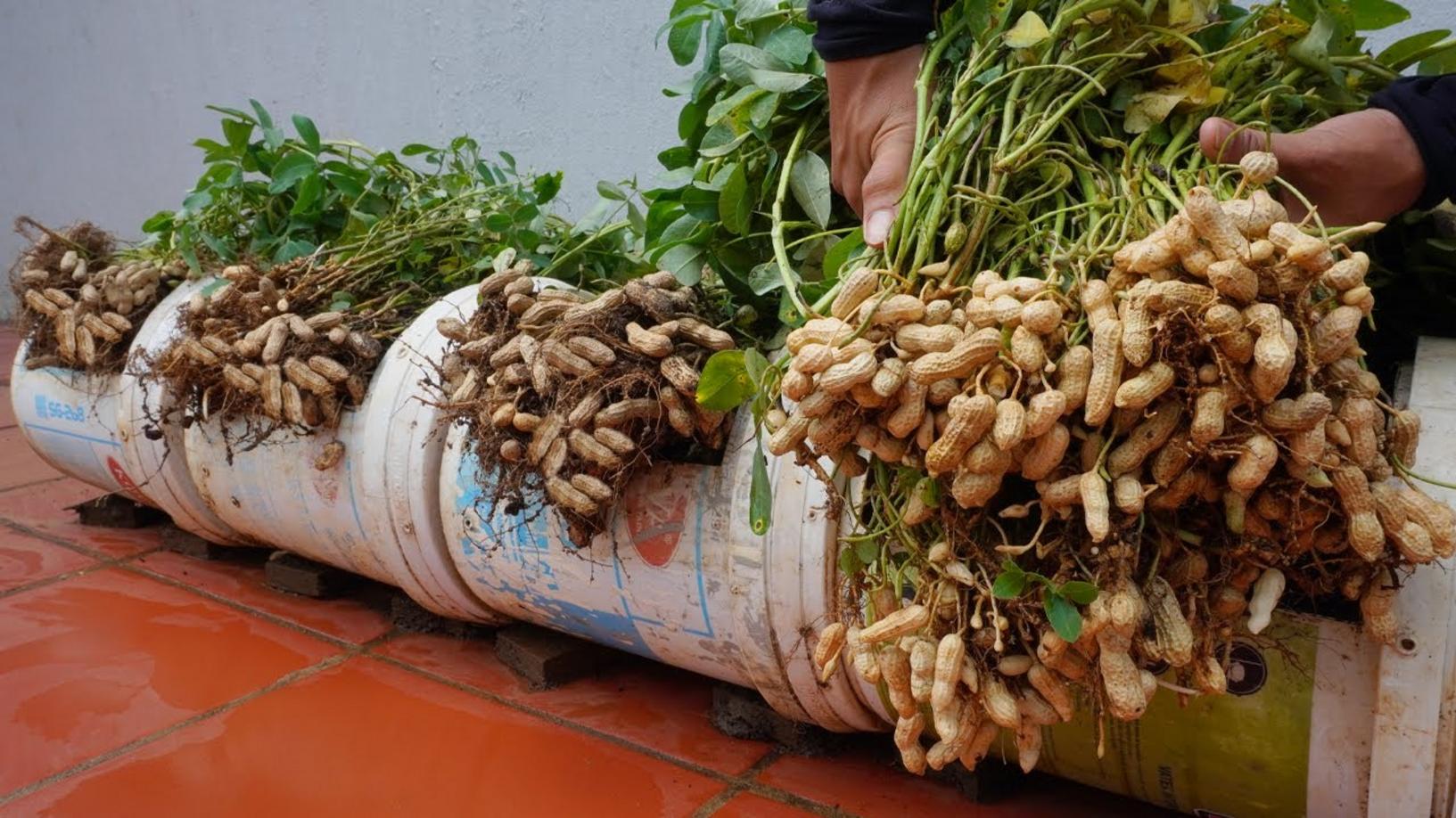
Are you eager to grow **peanuts** for your family, but the traditional methods haven’t yielded the results you hoped for? You’re not alone! In this article, we’ll reveal a **simple** and effective method that can drastically improve your peanut harvest, allowing you to enjoy a **bountiful feast** with your loved ones.
Step-by-Step Guide to Growing Peanuts
1. Choose the Right Variety
Start with selecting the right **peanut variety** for your region. Look for varieties like Virginia, Spanish, or Runner peanuts, as they adapt well to different soil and climate conditions. Over time, you’ll find which varieties yield the best results for your family.
2. Prepare Your Soil
Good soil is the foundation of every great garden. Ensure the soil is loose, well-drained, and **rich in nutrients**. Adding organic compost will provide the essential nutrients peanuts need to thrive. Aim for a pH between 5.8 and 6.2 for optimal growth.
3. Planting Your Peanuts
Plant peanuts after the last frost, as they thrive in warm conditions. Space the seeds about 4-6 inches apart and 2 inches deep. Cover them with soil and water gently. Remember, **consistent moisture** is vital during germination.
4. Care and Maintenance
Water your peanut plants regularly, especially during dry spells, but avoid overwatering. Incorporate a **mulching** layer to retain moisture and suppress weeds. Fertilize lightly with a balanced fertilizer every few weeks to encourage robust growth.
5. Harvesting At the Right Time
Harvesting peanuts is a crucial step. Typically, they are ready **130-150 days** after planting. When leaves start turning yellow and falling off, it’s time to dig them up. Gently loosen the soil around the plants to avoid damaging the tubers.
Practical Tips Based on Experience
- Rotate Your Crops: Avoid planting peanuts in the same spot each year to minimize pests and diseases.
- Inspect Regularly: Regular checks for pests, like aphids and nematodes, can save your crop from damage.
- Store Properly: After harvesting, allow your peanuts to dry completely before storing them in a cool, dry place.
Common Mistakes to Avoid
- Overwatering: Too much water can lead to rot. Ensure your soil drains well.
- Ignoring Soil Quality: Taking time to prepare and maintain soil health is crucial for a successful yield.
- Late Harvesting: Waiting too long can lead to smaller peanuts and decreased quality.
Conclusion
Growing **peanuts** doesn’t have to be a daunting task! By using this **simple method**, you’re one step closer to a rich harvest that can turn into delightful family meals. Don’t wait—get started today and enjoy the satisfaction of growing your own food! Your family will appreciate the effort and the delicious results. Happy gardening!