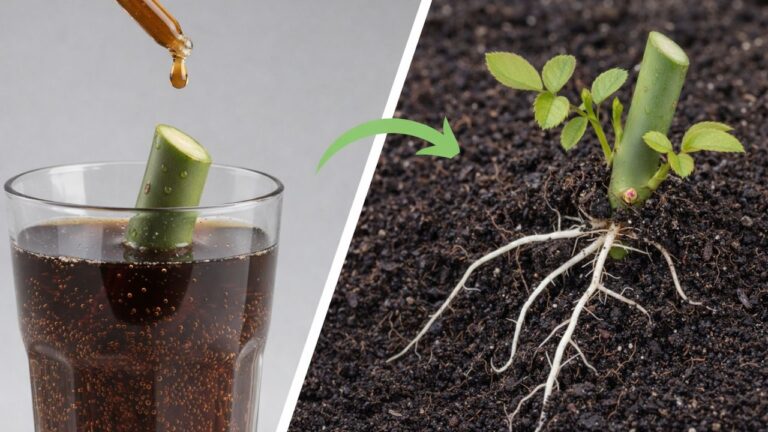

5 Secret Tips for Rapidly Rooting Roses Like a Pro!
5 Secret Tips for Rapidly Rooting Roses Like a Pro
- Understanding Rose Rooting
- Best Time to Root Roses
- Essential Materials for Successful Rooting
- Common Mistakes to Avoid
- FAQ
Have you ever felt disheartened when your cherished rose cuttings struggled to take root? Many gardeners experience the challenge of propagating roses successfully. It can be frustrating to see your cuttings wither instead of flourish. However, with a little guidance and some tried-and-true techniques, you can boost your confidence and increase your chances of success in rooting your rose cuttings. Let’s explore some essential tips that will help you achieve beautiful blooming roses with ease.
Understanding Rose Rooting
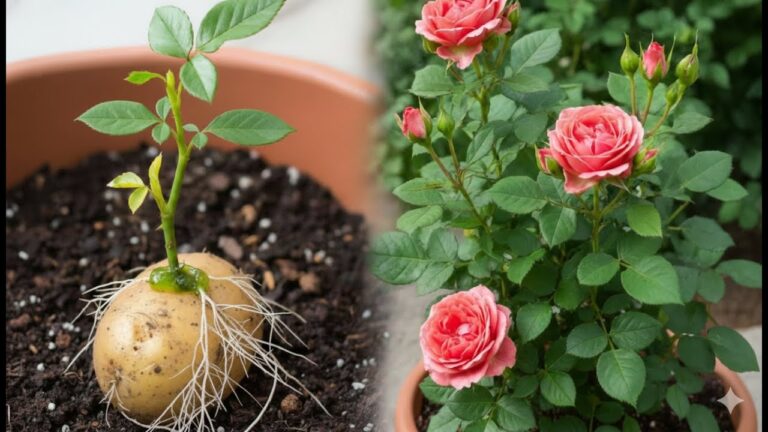
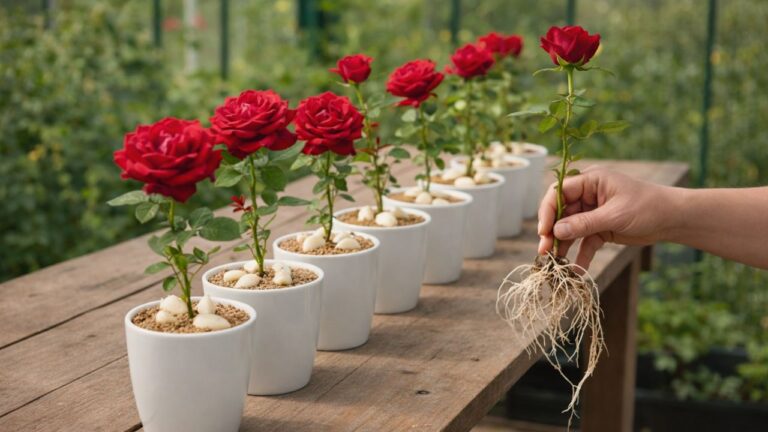
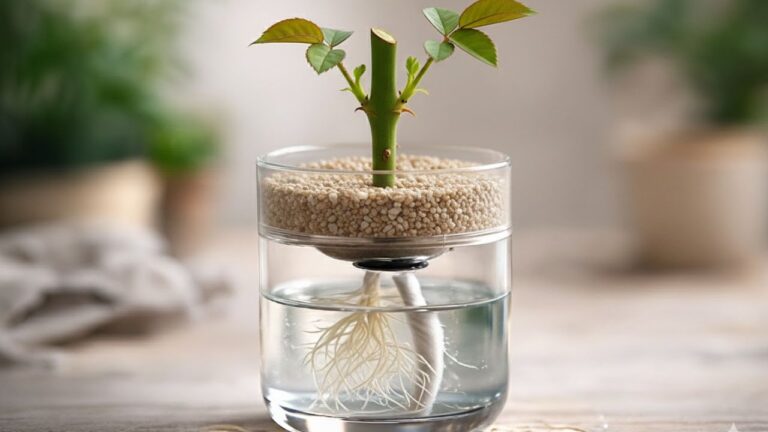
Before diving into the techniques for rapid rooting, it’s crucial to understand the science behind rose propagation. Roses can be propagated in several ways, but using cuttings is one of the most popular methods. The key to success lies in creating an environment conducive to root growth.
Why Use Cuttings?
Using cuttings is advantageous because it allows you to clone a specific variety of rose you love. This means you can maintain the unique qualities of that rose, including its color and fragrance.
What Makes Roses Thrive?
Roses thrive when their cuttings receive the right balance of moisture, warmth, and nutrients. Understanding these factors can dramatically increase your success rate.
Best Time to Root Roses
Timing plays a crucial role in the success of rooting rose cuttings. The best time to take cuttings is during the late spring to early summer when the growth is robust and the weather is conducive to root development.
Signs of Ideal Conditions
- New growth that is firm but not woody
- Temperatures between 70°F and 80°F
- Moist soil that is well-draining
Seasonal Considerations
While spring and summer are ideal, some gardeners may successfully propagate in fall when the weather is still warm. Be aware that winter is generally too cold for effective rooting.
Essential Materials for Successful Rooting
Gathering the right materials is crucial for ensuring your rose cuttings root effectively. Here’s what you’ll need:
Materials List
- Healthy rose cuttings approximately 6-8 inches long
- Rooting hormone to stimulate root growth
- Potting mix that is light and well-draining
- Containers or pots for planting the cuttings
- Plastic bags or clear containers to create a humid environment
Preparing the Cuttings
Start by selecting cuttings from healthy roses. Cut just below a node, and remove any leaves from the lower half to avoid rot. Dip the cut end in rooting hormone to promote successful rooting.
Common Mistakes to Avoid
Even experienced gardeners can make mistakes while rooting roses. Here are some common pitfalls to steer clear of:
1. Choosing the Wrong Time
Rooting cuttings during unsuitable weather can hinder their success. Always aim for late spring to early summer.
2. Overwatering
While moisture is essential, overwatering can lead to rot. Ensure your soil is damp but not soggy.
3. Not Providing Enough Humidity
Cuttings need a humid environment to thrive. Using a plastic bag or a clear container can help retain moisture effectively.
4. Poorly Draining Soil
Soil that doesn’t drain well can suffocate roots. Opt for a well-draining potting mix specifically designed for starting cuttings.
5. Neglecting Light Conditions
While cuttings don’t need direct sunlight, they do require bright, indirect light. Position them appropriately to avoid scorching yet still promote growth.
FAQ
What types of roses are easiest to propagate?
Many gardeners find that hybrid tea roses and floribundas are among the easiest types to propagate from cuttings.
How long does it take for rose cuttings to root?
Typically, rose cuttings can take anywhere from 2 to 6 weeks to root, depending on environmental conditions and care.
Can I use any soil for rooting roses?
It’s best to use a light and well-draining potting mix to prevent waterlogged soil, as this is critical for successful rooting.
In summary, knowing the right techniques and timing can significantly enhance your rose propagation experience. By avoiding common pitfalls and setting up ideal conditions, you can confidently grow your own beautiful roses from cuttings. What roses are you hoping to propagate? Share your thoughts in the comments!