Grow 1001 Roots from Rose Cuttings and Watch Them Bloom Like Crazy!
Grow 1001 Roots from Rose Cuttings for a Blossoming Garden
- Introduction
- The Right Cuttings for Successful Rooting
- Creating Ideal Conditions for Rooting
- Common Mistakes to Avoid
- FAQ
- Conclusion
Introduction
Have you ever admired a friend’s stunning rose garden and wished you could create the same beauty in your own yard? Many gardeners feel overwhelmed at the thought of propagating their favorite flowers, especially when it comes to roses. However, with the right techniques, you can grow a multitude of rose plants from cuttings and watch them flourish right before your eyes. Read on to discover how you can easily expand your garden with vibrant blooms!
The Right Cuttings for Successful Rooting
Choosing the right cuttings is essential for effective propagation. Select healthy, disease-free stems from your existing rose plants.
1. Choosing the Perfect Stem
- Pick a stem that is healthy and at least 6 inches long.
- Look for stems that have several leaf nodes—these make for excellent rooting options.
- Avoid cuttings from blooming roses, as these are often weaker.
2. Timing is Key
The best time to take cuttings is late spring or early summer when the growth is abundant. This ensures you’re working with wood that is still somewhat flexible, making it easier for the cutting to establish roots.
3. Cutting Technique
When preparing your cuttings, use sharp, sterile pruners to prevent any damage to the stem. Cut at a 45-degree angle just below a node to maximize rooting potential.
Creating Ideal Conditions for Rooting
Once you have your cuttings, the next step is to provide them with an environment conducive to rooting.
1. Preparing the Soil
- Use a mixture of potting soil and perlite or sand to enhance drainage.
- A sterile seed-starting mix is also a great option as it helps prevent disease.
2. Potting Your Cuttings
Fill small pots with your chosen soil mix. Insert the cut end of the rose cutting into the soil, burying it about 1-2 inches deep. Make sure to gently press the soil around it for support.
3. Watering and Humidity
Moisten the soil enough to keep it damp but not soggy, as excessive moisture can lead to rot. To maintain humidity, cover the pots with a plastic bag or a clear plastic dome. This will trap moisture and create a greenhouse effect. Make sure to ventilate occasionally to avoid mold.
Common Mistakes to Avoid
1. Overwatering
Too much moisture can lead to root rot. It’s essential to keep the soil just damp enough to encourage growth.
2. Choosing Weak Cuttings
Using unhealthy or too short cuttings can limit your success. Always select robust, healthy stems.
3. Neglecting Light Conditions
While cuttings don’t need direct sunlight, they do benefit from bright, indirect light. A spot by a window is ideal.
FAQ
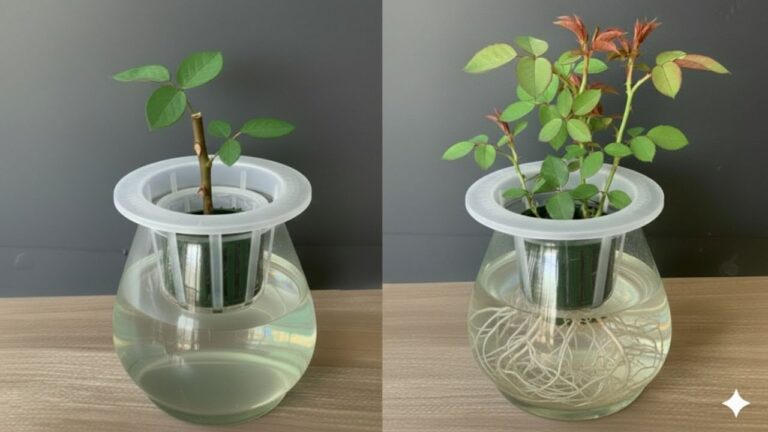
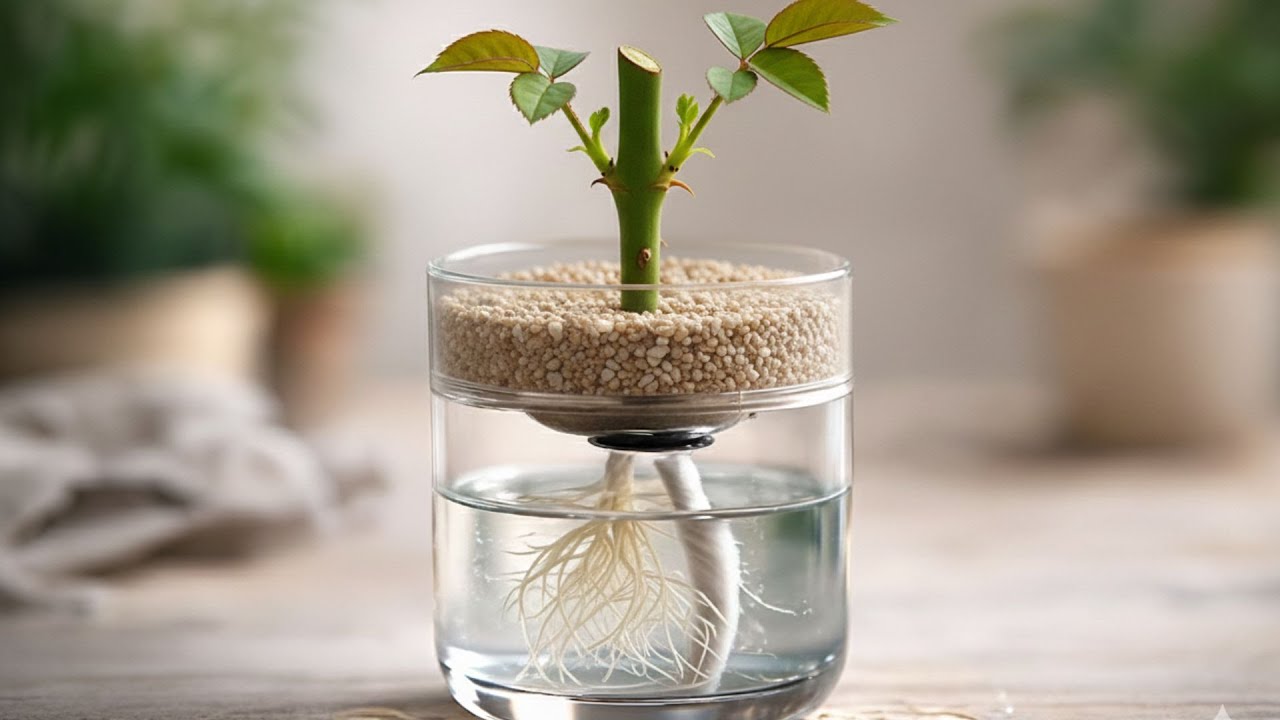
Can I root cuttings in water?
Yes, rose cuttings can also root in water, although it may take longer and requires careful attention to ensure they don’t rot.
How long does it take for rose cuttings to root?
Typically, it takes about 4 to 6 weeks for rose cuttings to develop roots, depending on the variety and conditions.
Can I use hormone rooting powder?
While not necessary, using hormone rooting powder can encourage faster root growth and improve your chances of success.
Conclusion
By following the right techniques and avoiding common pitfalls, you can successfully grow a multitude of rose plants from cuttings. Have you tried propagating roses before? Feel free to share your experiences in the comments!