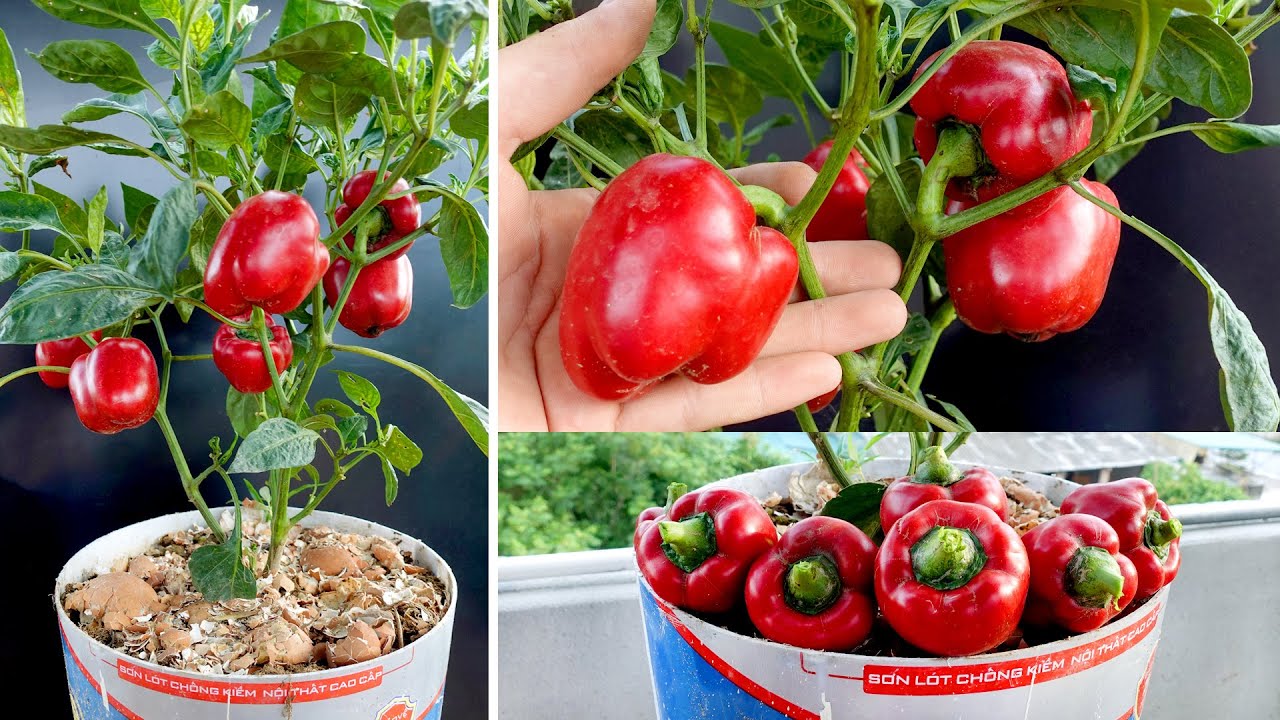
5 Essential Tips to Care for Your Bell Pepper Plants and Boost Yields
Essential Tips for Caring for Your Bell Pepper Plants
- Understanding Bell Pepper Needs
- Best Practices for Water Management
- Nutrient-Rich Soil and Compost
- Sunlight and Temperature Requirements
- Common Mistakes to Avoid
Understanding Bell Pepper Needs
Caring for bell pepper plants begins with understanding their specific requirements. These vibrant vegetables thrive in warm conditions and need proper attention to establish healthy growth. You may notice that your plants struggle with diseases or yield less if their basic needs aren’t met. By taking the time to understand these essential factors, your garden can flourish.
1. Recognizing Your Growing Zone
Knowing your growing zone can help you select the right varieties for your climate. Bell peppers generally prefer warmer temperatures, ideally between 70°F and 85°F. Check your local gardening resources for information specific to your area.
2. Choosing Healthy Seedlings
Selecting robust seedlings can make a significant difference. Look for plants that have lush, green leaves and a sturdy stem. Avoid any seedlings with yellowing leaves or signs of pests.
Best Practices for Water Management
Water management is crucial for the success of your bell pepper plants. Overwatering or underwatering can lead to various problems, including blossom drop or fruit splitting. Here are some tips to optimize your watering regimen.
1. Check Soil Moisture
Always check the moisture level in the soil before watering. Stick your finger into the soil about an inch deep. If it feels dry, it’s time to water.
2. Water Deeply
When you do water, do so deeply but infrequently. This encourages the roots to grow deeper into the soil, which enhances the plant’s resilience. Aim for approximately 1-2 inches of water per week, depending on rainfall.
Nutrient-Rich Soil and Compost
Creating nutritious soil is vital for your bell peppers to thrive. The right mix provides essential nutrients that enhance growth and yields.
1. Improving Soil Structure
Utilizing well-draining, loamy soil is beneficial. You can amend your soil with compost or well-rotted manure to improve its structure and nutrient content.
2. Using Mulch
A layer of organic mulch can help retain moisture while suppressing weeds. Materials such as straw or wood chips are excellent options. Additionally, mulch can gradually break down, enriching the soil over time.
Sunlight and Temperature Requirements
Bell peppers require ample sunlight to develop strong, healthy fruit. Understanding their light and temperature preferences is essential for optimal growth.
1. Optimal Sun Exposure
Your bell pepper plants will thrive in full sun, needing around 6-8 hours of direct sunlight daily. Select a planting location that receives sufficient light throughout the day.
2. Monitoring Temperature Fluctuations
If temperatures dip below 60°F, consider covering your plants with row covers at night to protect them from cold damage. Similarly, during particularly hot days, shade cloth can help prevent scorching.
Common Mistakes to Avoid
Even experienced gardeners can encounter pitfalls when tending to bell peppers. Being aware of common mistakes can significantly improve your gardening success.
1. Overwatering
One of the most common issues is overwatering. Too much moisture can lead to root rot, which is detrimental to your plants. Always ensure good drainage.
2. Neglecting Pest Control
Pests such as aphids and spider mites can wreak havoc on your plants. Regularly inspect your pepper plants for any signs of infestation and take action promptly.
3. Improper Spacing
Crowding can stunt the growth of your bell peppers. Ensure you give each plant enough space for air circulation and development, ideally spacing them about 18-24 inches apart.
4. Ignoring Flower Drop
Flower drop can occur if the plants experience stress, such as inconsistent watering or extreme temperatures. Address environmental issues as soon as you notice this problem.
5. Skipping Fertilization
Using a balanced fertilizer is essential for promoting healthy growth. Avoid neglecting this step, especially at critical growth phases during flowering and fruiting.
FAQ
Q: How often should I water my bell pepper plants?
A: Water your bell peppers deeply about 1-2 inches per week, adjusting based on rainfall and soil moisture.
Q: What’s the best fertilizer for bell peppers?
A: A balanced fertilizer with an equal ratio of nitrogen, phosphorus, and potassium is ideal, especially during flowering and fruiting stages.
Q: Why are my bell peppers turning yellow?
A: Yellowing can be due to overwatering, nutrient deficiencies, or temperature stress. Assess each factor to diagnose the issue.
Conclusion
By following these essential tips, you can create a thriving environment for your bell pepper plants while maximizing your yields. What challenges have you faced while caring for your bell peppers? We’d love to hear your experiences in the comments!