10 Simple Tips to Easily Grow Zucchini at Home This Season
10 Simple Tips for Growing Zucchini at Home This Season
- Introduction
- Ideal Conditions for Zucchini Growth
- Best Planting Techniques for Zucchini
- Watering and Fertilizing Your Zucchini
- Common Mistakes to Avoid When Growing Zucchini
- FAQ
- Conclusion
Introduction
As you step into the gardening season, you might find yourself drawn to the idea of growing your own zucchini. It’s that time of year when you dream of plump, fresh zucchinis gracing your dinner table. However, you may feel unsure about where to start or what it takes to achieve a bountiful harvest. This season, discover how you can successfully grow zucchini right in your backyard and enjoy the fruits of your labor.
Ideal Conditions for Zucchini Growth
To grow zucchini successfully, understanding its environmental needs is key.
1. Choosing the Right Location
Look for a spot in your garden that receives at least six hours of direct sunlight each day. Zucchini loves warmth, so a south-facing plot is ideal.
2. Soil Preparation
Your soil should be rich in organic matter for the best results. Till the soil and amend it with compost or well-rotted manure. A pH of 6.0 to 6.8 is best for healthy growth.
3. Ideal Temperature
Seeds germinate best when soil temperatures are consistently between 70°F and 95°F. Planting when the soil is warm will help your zucchini thrive.
Best Planting Techniques for Zucchini
Getting the planting process right is essential.
1. Seed Selection
Choose varieties that suit your climate. Either go for bush varieties for small spaces or vining types if you have more room.
2. Planting Depth and Spacing
Plant your seeds about 1 inch deep. If you’re planting multiple seeds, space them at least 2 feet apart to give them room to grow.
3. Transplanting Seedlings
If starting indoors, transplant when seedlings have at least two sets of true leaves. Ensure the outdoor conditions are warm before introducing them to the garden.
Watering and Fertilizing Your Zucchini
Water and nutrients are vital for a strong zucchini plant.
1. Watering Schedule
Maintain consistent soil moisture, especially during dry spells. Water at the base of the plant to prevent diseases. Aim for about 1 inch per week.
2. Fertilizer Application
Applying a balanced fertilizer can promote growth. Use a fertilizer with equal parts nitrogen, phosphorus, and potassium, following package instructions for the best results.
3. Mulching
Adding mulch around your zucchini plants helps retain moisture and suppress weeds, benefiting your overall yield.
Common Mistakes to Avoid When Growing Zucchini
Even experienced gardeners can stumble in the zucchini-growing process.
1. Overcrowding Plants
Planting seeds too close together can lead to poor air circulation and reduced yields.
2. Ignoring Pest Control
Zucchini can attract pests like squash bugs and aphids. Monitor your plants regularly to take action early.
3. Skipping Rotation
Planting zucchini in the same spot year after year can lead to soil depletion. Rotate your crops annually to maintain soil health.
FAQ
1. How long does it take for zucchini to grow?
Zucchini typically takes 45 to 55 days to reach maturity from planting.
2. What are the signs of overwatering zucchini?
Symptoms include yellowing leaves and root rot. Ensure your plants are adequately draining.
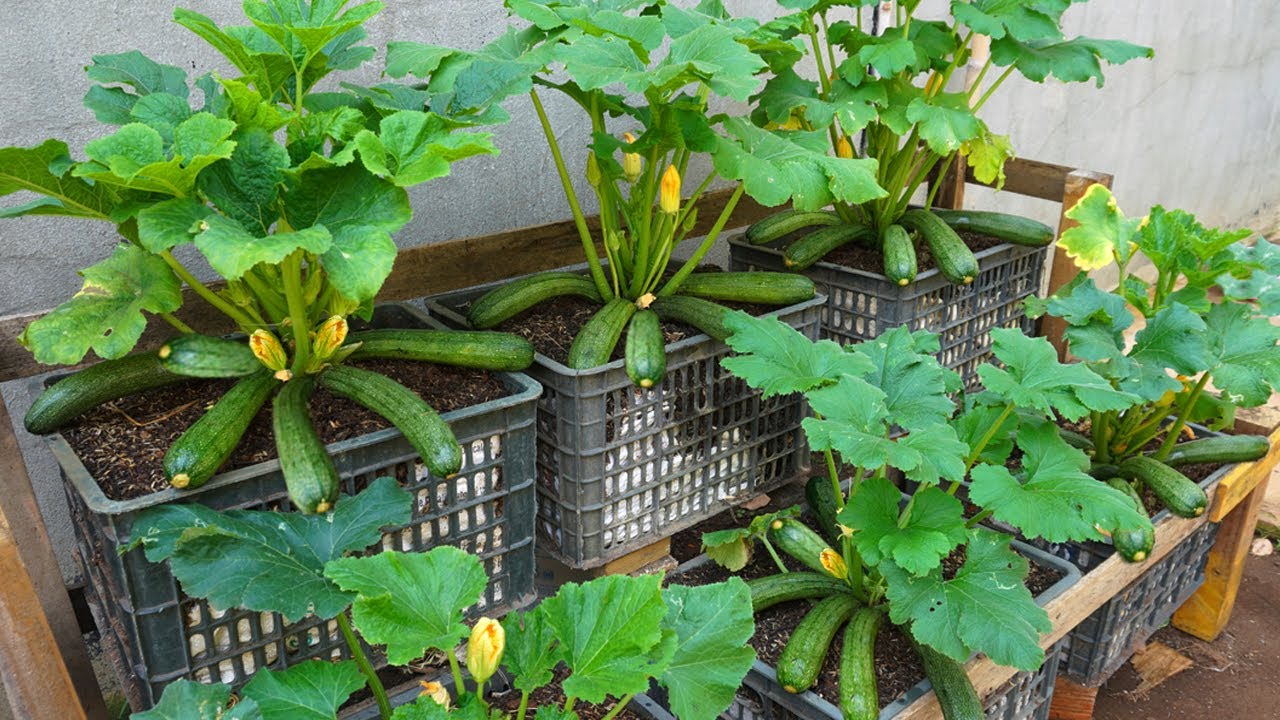
3. Can zucchini be grown in containers?
Yes, select dwarf varieties and use a pot that is at least 5 gallons for optimal growth.
Conclusion
By following these practical tips, you can enjoy a fruitful zucchini harvest this season. What are your favorite recipes or ways to use zucchini? Share your thoughts in the comments!