Maximize Your Garden: Tips for Growing High-Yield Fava Beans
Maximize Your Garden: Tips for Growing High-Yield Fava Beans
Fava beans, also known as broad beans or faba beans, are a fantastic addition to any home garden. They thrive especially well in cool temperate climates but can adapt to various settings. If you haven’t started growing these wonderful plants yet, now is the perfect time to dive in.
In this article, we’ll go beyond the basics of fava bean cultivation. We’ll explore what these beans are, why you should grow them, the varieties available, sowing techniques, care tips, companion planting, and harvesting methods. Let’s get started!
What Are Fava Beans?
Fava beans, scientifically known as Vicia faba major, are legumes with a rich history. They have been cultivated for thousands of years, dating back to around 6000 BCE in the eastern Mediterranean. These annual plants can reach heights over three feet and produce self-fertilizing flowers that are pollinated primarily by bees. As the flowers develop, they form green pods that encase the seeds, which can be harvested while tender or left to mature fully.
Why Grow Fava Beans?
Easy to Cultivate
Fava beans are fast-growing and simple to care for, making them perfect for beginners, including children. Their flowering period adds aesthetic appeal to gardens, making them suitable for ornamental areas as well as traditional vegetable patches.
A Nutritional Powerhouse
These beans are not just easy to grow; they’re also highly nutritious. Mature fava beans contain 26% protein and are rich in essential nutrients. For example, 100g of mature beans provides 106% of the daily value for folate, along with other B vitamins, manganese, phosphorus, iron, and magnesium. Fresh or dried, fava beans can be consumed throughout the year, adding versatility to your meals.
Homegrown Pulses
Fava beans can be consumed as green vegetables or dried as pulses. Pulses are often overlooked in home gardens as many gardeners focus primarily on fruits and vegetables. By growing fava beans, you can boost your protein intake and reduce meat consumption, aiding both personal health and environmental sustainability.
Nitrogen Fixers
Fava beans improve soil health by fixing nitrogen, making it accessible to nearby plants. This can be particularly beneficial when planted alongside nitrogen-hungry crops, such as leafy greens.
Cover Crop and Green Manure
As cover crops, fava beans can protect the soil over winter and enhance fertility, making them ideal for crop rotation.
Bee-Friendly Habitat
Fava beans also support bees, providing nectar early in the season. This not only benefits pollinators but also enhances your bean yield when these insects are present.
Choosing Fava Beans
Timing is crucial when selecting fava bean varieties. Generally sown in early spring, some cultivars can be planted in autumn for overwintering. Popular varieties include:
- Aguadulce Long Pod: An heirloom variety ideal for overwintering, known for its large pods with 4-5 seeds each.
- Windsor Long Pod: Preferred in cooler northern regions, this heirloom variety has historical significance in 18th-century American cuisine.
- Martoc: An ancient English strain that offers good taste when used as a dry bean.
- Wizard Field Bean: A modern variety perfect for cold areas, it offers longer crop seasons.
Sowing Fava Beans
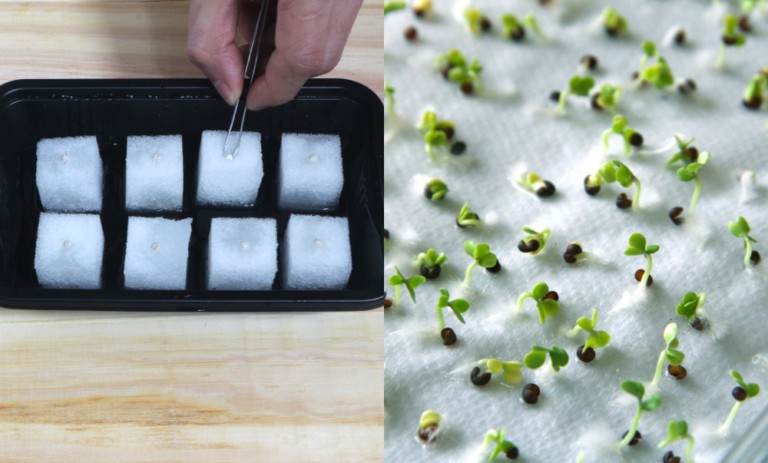
For fall sowings, plant seeds around October, and for spring, between late February and mid-April. Fava beans can be directly sown into garden soil or started indoors for better germination rates. Using biodegradable pots for seedlings allows for easy transplanting.
Ensure your soil is fertile, ideally loamy and well-drained. Amend heavy clay soils with organic matter and space your fava beans 4-8 inches apart in rows about 18-24 inches apart.
Companion Planting and Polycultures
Fava beans are excellent companions due to their nitrogen-fixing properties. They can be grown alongside:
- Potatoes
- Brassicas
- Leafy greens like spinach and lettuce
- Herbs like marigolds, borage, and summer savory
Avoid growing alliums near fava beans.
Growing Fava Beans
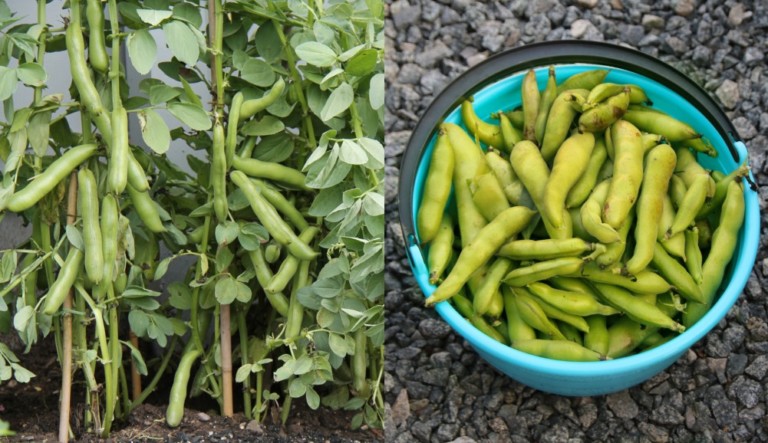
Once established, fava beans are drought tolerant but require sufficient watering, especially during flowering. Tall varieties may need staking for support. Pinching out the growing tips once flowering begins encourages better fruit set and can also curb aphid infestations.
Harvesting Fava Beans
For green consumption, start harvesting once beans swell visibly in the pods. Early beans are sweeter and easier to prepare. If using as pulses, allow them to mature fully before shelling and drying for storage.
Using Your Beans
Fava beans, though widely enjoyed, can cause allergic reactions in sensitive individuals. However, for those who can consume them, they are incredibly versatile:
Young Tender Fava Beans
Use them raw in salads or lightly boiled for recipes like:
Mature Fava Beans
For mature beans, use them in heartier dishes like:
Using Dried Fava Beans as a Pulse
Dried fava beans can be soaked, boiled, and transformed into delicious recipes or ground into flour, opening up numerous culinary possibilities.
Conclusion
If you haven’t already started cultivating fava beans, now is the time to consider adding this versatile and beneficial crop to your garden. Not only will you enjoy a nutritious food source, but you’ll also contribute positively to your garden’s ecosystem and the environment.