Stock Your Pantry: How to Store a Month of Food Without Refrigeration
“`html
Stock Your Pantry: How to Store a Month of Food Without Refrigeration
Being prepared for emergencies is essential, especially when it comes to feeding your family. Knowing how long you can go without a trip to the grocery store can help you gauge your readiness for unexpected situations.
Assess Your Grocery Habits
Reflect on your grocery shopping habits:
- How frequently do you shop—once, twice a week, or less?
- Could you extend your shopping period to every two weeks or even monthly?
The longer you can go without purchasing food, the better prepared you will be.
Understanding Preparedness
With 59% of U.S. adults living paycheck to paycheck, stocking your pantry may feel daunting. However, being prepared with enough food for at least two weeks for yourself, your family, and even your pets is highly recommended. In tough times, your food preparation can also support friends and neighbors.
Food Storage: Old-Fashioned Techniques
Living without modern conveniences such as running water, refrigeration, or freezers, we rely on self-reliant skills cultivated over a decade of homesteading. Here’s how we manage to store enough food to last over a month:
Local and Seasonal Eating
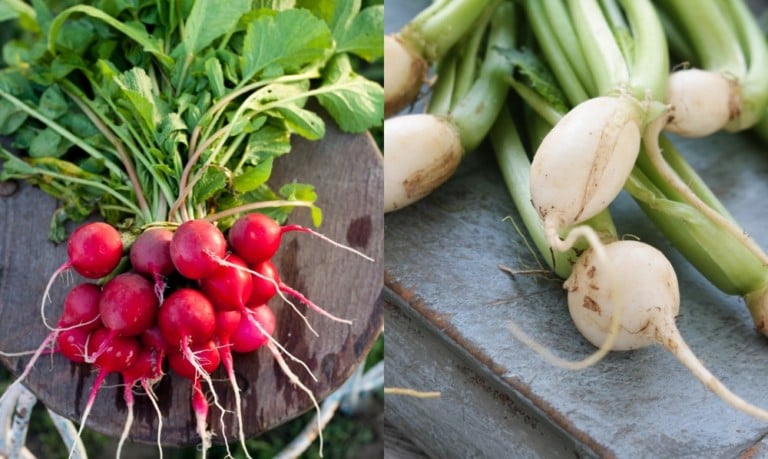
Eating locally and seasonally makes storing food easier. We maintain a no-dig garden for fresh veggies and canning, and we also forage for herbs that are beneficial to our health.
Canning and Preservation
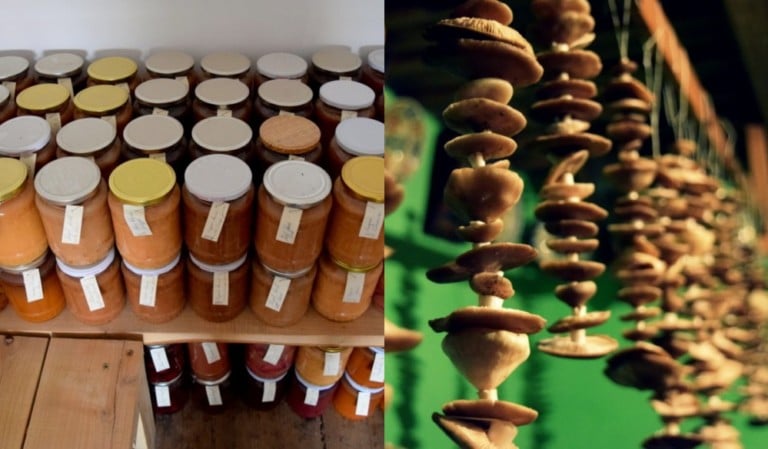
Canning is a skill we’ve honed over the years, producing over 250 jars of jams, chutneys, and pickles in one summer. It’s crucial to know your limits and manage your canned goods to avoid waste.
Dehydration
Dehydrating fruits, veggies, and herbs is a delicious method of food preservation. Dried fruits can enhance baked goods, while dried vegetables can enrich stews and soups.
Fermentation
Fermented foods like sauerkraut or lacto-fermented garlic can be a great way to utilize fresh produce that is hard to can or dehydrate.
Sprouting
Sprouting seeds can be ready to eat in just a few days. They are easy to grow and packed with nutrients.
Essential Pantry Ingredients
Eggs
Eggs are an affordable and nutritious protein source, rich in various vitamins and minerals. Always remember to rotate your stock.
Fats and Oils
For cooking, it’s important to have a variety of fats and oils on hand, including plant-based options and rendered animal fats.
Smoked Meats
During colder months, stocking up on bacon, prosciutto, and sausages is advisable, while maintaining appropriate storage conditions.
Aged Cheeses
Aged cheeses can last longer than fresh ones, making them an excellent option for your pantry.
Dairy Alternatives
If you prefer dairy alternatives, consider stocking up on plant-based milks and learn to make your own nut milks for baking.
Storing Fruits and Vegetables
Storing produce can be achieved even without a garden. Invest in techniques for preserving items like potatoes for the winter.
Foraging
Foraging for wild plants and herbs can supplement your food supply with nutritious ingredients. Familiarize yourself with edible plants in your area.
Dried Herbs
Harvesting and drying your own herbs allows you to spice up meals conveniently.
Staples and Sweeteners
Essential Staples
Always maintain a surplus of staple ingredients like flour and grains, adjusting amounts based on your cooking habits.
Honey and Sweeteners
Consider natural sweeteners like honey and maple syrup, but use them sparingly to avoid excess sugar intake.
Drinks and Snacks
Coffee and Tea
Keep a variety of hot beverages on hand to uplift your spirit.
Nuts
Nuts are excellent sources of nutrition and easy to store, especially when kept in their shells.
Water Storage
Having a sufficient supply of clean drinking water is crucial. Aim to store at least one gallon per person per day in case of emergencies.
Tinctures and Natural Remedies
Consider stocking up on natural remedies that can be beneficial during times when access to pharmacies is limited.
Creativity in the Kitchen
To survive long periods without grocery shopping, embrace creativity in meal preparation. Experiment with new recipes and flavors from your garden.
Conclusion
Stocking your pantry may require effort and careful planning, but it is entirely feasible. Equipped with these tips, you can ensure that you and your family are well-prepared for whatever comes your way. Happy pantry prepping!
“`