Store a Month’s Worth of Food Without a Fridge or Freezer
“`html
Store a Month’s Worth of Food Without a Fridge or Freezer
Being prepared for emergencies can make a huge difference in your family’s well-being. This guide will help you learn how to stock your pantry efficiently, allowing you to go a month or more without shopping for food.
Assess Your Grocery Shopping Habits
Consider how often you visit the grocery store. Are you shopping once or twice a week? Can you stretch it to shopping once every two weeks or even once a month? The more self-sufficient you can be, the better prepared you are in a crisis.
The Importance of Food Storage
Experts recommend having a food supply that lasts at least two weeks for everyone in your household, including pets. With a significant portion of U.S. adults living paycheck to paycheck, the task of stocking your pantry can feel daunting. Yet, it’s achievable with thoughtful planning.
Embrace Old-Fashioned Food Storage
Modern conveniences are great, but you can also store food without relying on a fridge or freezer. By cultivating self-reliant skills, you can learn how to grow, harvest, and preserve your own food.
Local and Seasonal Eating
Try to consume what grows and is raised in your locality. Without a fridge or freezer, it’s important to focus on seasonal produce and meats. This lifestyle aligns closely with that of our ancestors who thrived on homegrown food.
Healthy Eating Over Processed Foods
Take a moment to reflect on the diets of your ancestors. They consumed whole, real foods—not processed items packed with preservatives. While finding simple ingredients may be challenging, it’s crucial for your health.
Develop Cooking Skills
Cooking is an essential skill that can make a big difference in maintaining a well-stocked pantry. Start with basic ingredients, learn new recipes, and gradually build confidence in the kitchen.
Building a Well-Stocked Pantry
A well-organized pantry allows you to spend less time shopping and more time enjoying meaningful moments at home. It should feature a variety of foods, keeping in mind the freshness and seasonality of ingredients.
Canning
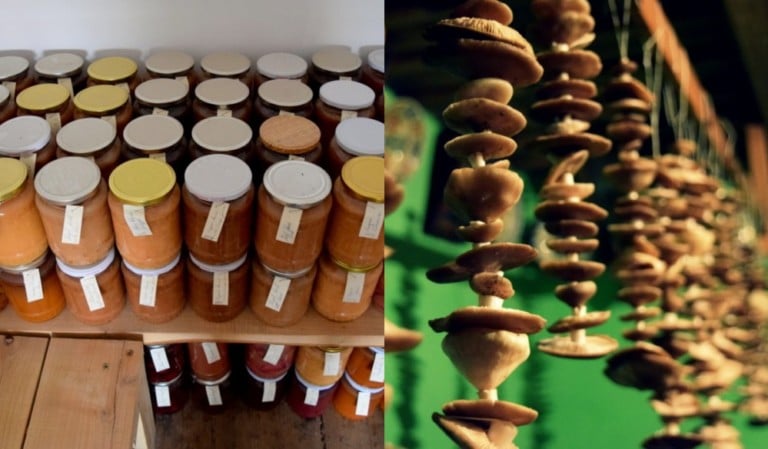
Canning is one of the most valuable skills you can develop. Aim for a reasonable quantity based on your household needs. If you find yourself with excess, share with friends or neighbors!
Dehydrating
Dehydrating fruits, vegetables, and herbs can add variety to your meals. Think of ways to incorporate dried foods into your cooking, making snacks or meals more flavorful.
Fermentation
Fermenting is a great way to preserve food while also enhancing its nutritional value. Sauerkraut is a popular choice, but explore other ferments like kimchi or lacto-fermented garlic.
Sprouting
Sprouts are easy to grow and nutrient-dense. All you need is a jar and some seeds. They’re ready in just a few days and can be a great addition to salads or sandwiches.
Essential Ingredients
Stock up on versatile ingredients like cooking oils, spices, and condiments. These will make meal preparation straightforward and enjoyable.
Storing Fruits and Vegetables
If you have access to a root cellar, learn how to store seasonal crops like potatoes and squashes. You don’t need a garden, just some knowledge about proper storage methods.
Foraging and Harvesting
Foraging wild plants can supplement your diet significantly. Take the time to learn what is edible in your area, and consider hosting workshops to share and gain knowledge.
Dried Herbs
Harvesting and drying your own herbs will take your meals from bland to extraordinary. Use them to flavor dishes throughout the year.
Food Staples
- Salt: Aim for 8-10 pounds of salt per person per year.
- Flour and Grains: Store a sufficient supply, taking their shelf life into consideration.
- Honey and Sweeteners: Natural sweeteners are a healthier choice and can be stored easily.
Water Storage
Have at least one gallon of water per person per day stored for emergencies. Clean drinking water is essential for survival.
Natural Remedies and Non-Essentials
Consider stocking herbal tinctures and other natural remedies. While comfort foods can provide a temporary boost, focus on nutrient-dense meals.
Reduce Food Waste
Being mindful of food waste is critical. Plan your meals around perishable items first and utilize leftovers creatively. Composting is another excellent way to reduce waste.
Get Creative in the Kitchen
Experiment with new recipes and flavors. The kitchen can be a space for creativity, so think outside the box when using your stocked-up ingredients.
Conclusion
By learning how to prepare and store food effectively, you can ensure your family is well-fed during emergencies or extended periods without grocery shopping. With planning and creativity, you can make the most of what you have and enjoy delicious meals at home. Happy pantry prepping!
“`