5 Proven Tips to Quickly Reduce Swollen Legs and Feet!
Effective Tips to Reduce Swollen Legs and Feet
- Understanding Swelling in Your Legs and Feet
- Common Causes of Swelling
- Effective Solutions for Reducing Swelling
- Mistakes to Avoid When Treating Swelling
- FAQ
After a long day on your feet, you might notice your legs and feet feeling heavy and puffy. This common issue can affect anyone, especially during hot weather or after extended periods of sitting. Swelling can be uncomfortable and may lead to additional concerns if left unaddressed. Understanding the reasons behind swelling and exploring effective strategies can help you find relief. Let’s delve into this important topic further.
Understanding Swelling in Your Legs and Feet
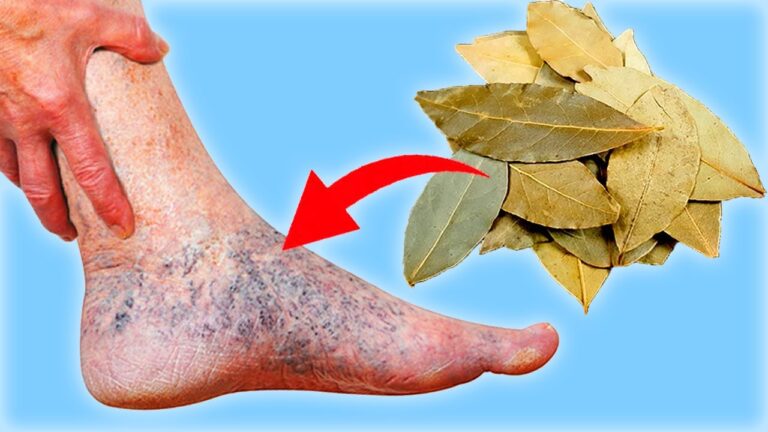
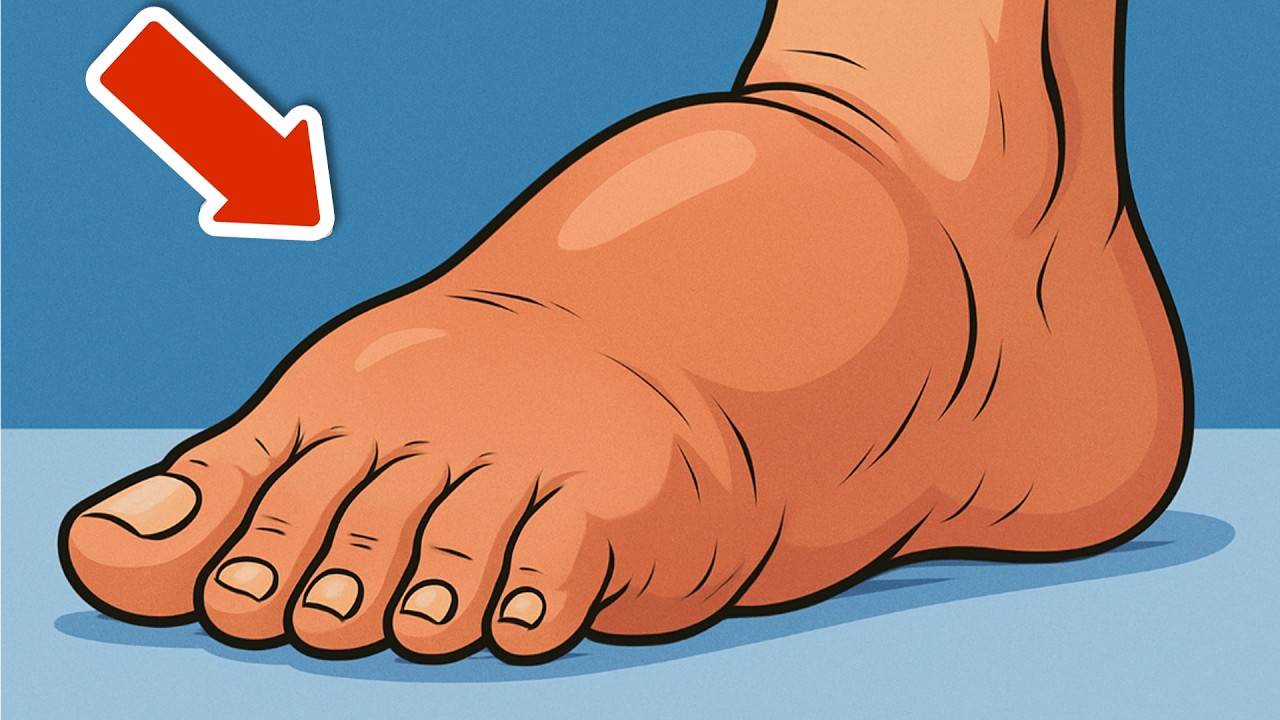
Swelling, also known as edema, occurs when excess fluid gathers in your body’s tissues. It’s essential to recognize that while some swelling is common, persistent or severe swelling can indicate a deeper issue. Here are some key points to understand:
What is Edema?
Edema refers to the accumulation of fluid in tissues, leading to swelling, often noticeable in the lower extremities. It can affect one or both legs and can vary in severity.
How Does It Develop?
When blood vessels leak fluid into nearby tissues, the accumulation results in swelling. Common scenarios include sitting or standing for long periods and hormonal changes during menstruation.
Common Causes of Swelling
Identifying the underlying causes can help you target your approach to reducing swelling. Here are some prevalent factors contributing to the issue:
Prolonged Sitting or Standing
Staying in one position too long can hinder proper circulation, leading to fluid buildup. This is particularly noticeable during long journeys or at your desk job.
Dietary Factors
Excess sodium intake can lead to fluid retention. Processed foods and high-salt snacks may exacerbate swelling in your legs and feet.
Dehydration
Ironically, not drinking enough water can cause your body to retain more fluids. Staying hydrated ensures optimal bodily functions and can help alleviate swelling.
Effective Solutions for Reducing Swelling
Implementing practical strategies can significantly ease swelling in your legs and feet. Below are methods to incorporate into your routine:
1. Elevate Your Legs
- Find a comfortable position
- Place pillows or cushions under your legs to elevate them above heart level
- Relax in this position for at least 20 minutes
This technique helps gravity move fluid away from your legs.
2. Stay Active
Engaging in regular physical activity promotes circulation and helps maintain fluid balance. Consider activities like:
- Walking or jogging to get your blood flowing
- Yoga poses that encourage leg movements
- Swimming to reduce pressure on joints
3. Wear Compression Stockings
Compression stockings are specially designed to apply pressure on your legs, helping to prevent fluid buildup. They can be particularly useful if you frequently experience swelling.
4. Adjust Your Diet
Reducing sodium intake and increasing potassium-rich foods can aid in fluid balance. Incorporate:
- Bananas
- Sweet potatoes
- Leafy greens
5. Stay Hydrated
Ensure you’re drinking enough water daily. Aim for at least 8 glasses, and adjust based on activity levels and heat.
Mistakes to Avoid When Treating Swelling
While you’re working to reduce swelling, be mindful of common mistakes that can hinder your progress:
Mistake 1: Ignoring Underlying Health Issues
Do not overlook the importance of consulting a healthcare professional if swelling persists. It could indicate a more serious condition.
Mistake 2: Relying Solely on Home Remedies
While natural remedies can be effective, combining them with medical advice may provide better results.
Mistake 3: Not Monitoring Salt Intake
Being unaware of hidden sources of sodium in processed foods can sabotage your efforts. Always check labels.
FAQ
Q: What are the early signs of leg swelling?
A: Early signs include a feeling of heaviness, puffiness, and tightness in the skin around your legs and feet.
Q: Can I use ice to reduce swelling?
A: Yes, applying ice packs can provide immediate relief by constricting blood vessels and reducing fluid buildup.
Q: How long does it typically take for swelling to go down?
A: Swelling can vary depending on its cause, but with the right strategies, you may notice improvement within a few hours to a few days.
In summary, addressing swollen legs and feet involves understanding the causes and implementing effective strategies like elevation and hydration. Have you experienced this issue before, and what methods worked for you to find relief? Your experiences could help others in our community.