Remove 5 Types of Plaque at Home Without a Dentist – Discover the Easy Steps!
Remove Plaque at Home: Effective Methods for a Healthy Smile
Understanding Plaque
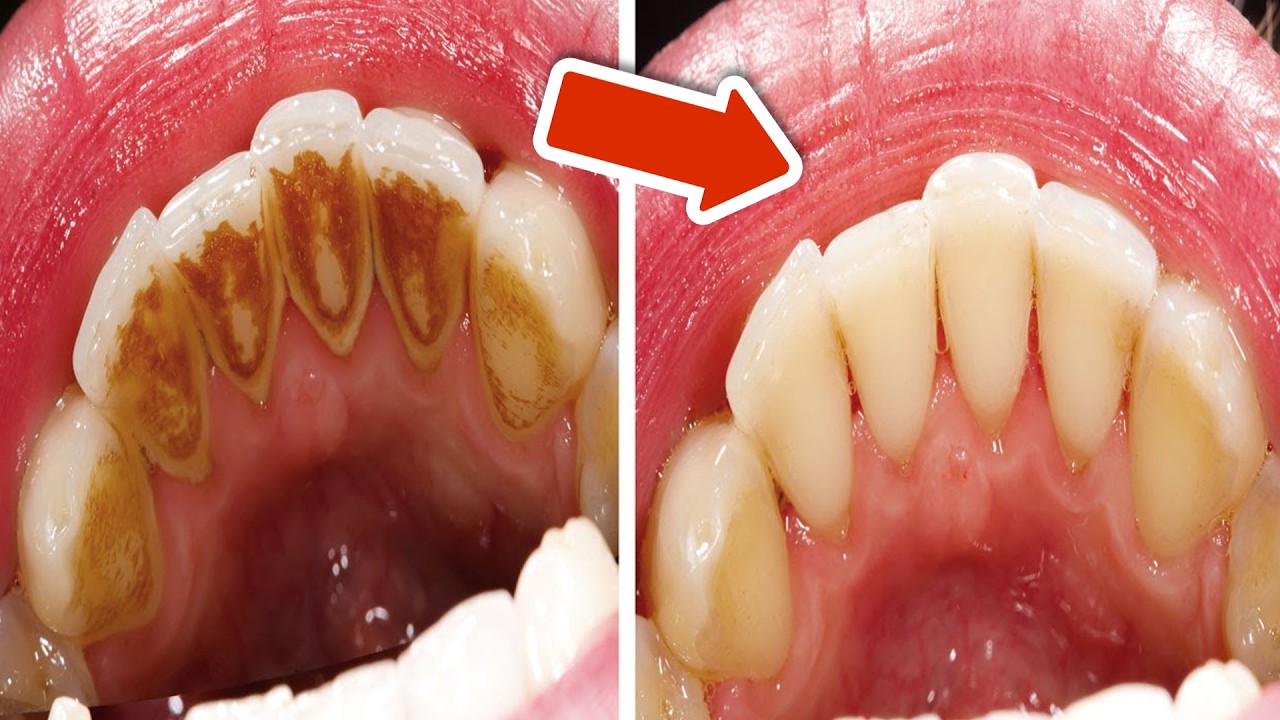
Every day, you might notice a sticky film forming on your teeth, especially after meals. This accumulation often goes unnoticed, but it can lead to dental issues if not managed properly. Plaque is a combination of bacteria, food particles, and saliva that hardens over time. If left untreated, it can cause gum disease and cavities. It’s essential to recognize the types of plaque and their effects on your oral health before diving into methods for removal.
What is Plaque?
Plaque is a soft and sticky film composed primarily of bacteria. When you eat, the bacteria feed on sugars and starches, forming this film. If plaque isn’t removed promptly, it can turn into tartar, a harder substance that requires professional dental cleaning.
Types of Plaque and Their Impact
- Soft Plaque: Easily removable with regular brushing and flossing.
- Hard Plaque: Forms when soft plaque is not removed, leading to tartar.
- Staining Plaque: Caused by pigmented food and drinks, affecting the tooth’s appearance.
- Calculus: A hardened form of plaque that can cause gum disease and decay.
Effective Homemade Remedies
Incorporating natural remedies into your oral care routine can significantly reduce plaque buildup. These methods can be effective in the comfort of your home, supporting your overall dental hygiene. Below are some practical ideas you can implement.
1. Baking Soda Paste
Baking soda is a gentle abrasive that effectively removes plaque:
- Mix one tablespoon of baking soda with a few drops of water to create a paste.
- Apply the paste to your toothbrush and gently scrub your teeth for two minutes.
- Rinse thoroughly with water afterward.
2. Apple Cider Vinegar Mouthwash
This natural remedy not only freshens breath but may also help break down plaque:
- Dilute two tablespoons of apple cider vinegar in a cup of water.
- Swish the mixture in your mouth for 30 seconds to one minute.
- Spit it out and rinse with water to neutralize the acidity.
3. Oil Pulling
Originating from ancient practices, oil pulling may reduce plaque effectively:
- Take one tablespoon of coconut oil and swish it in your mouth for 10-20 minutes.
- Spit the oil into a trash can (never down the sink) and rinse with warm water.
- Brush your teeth afterward as usual.
Daily Hygiene Tips
Maintaining a regular oral hygiene regimen is crucial for preventing plaque buildup. Here are some effective habits to incorporate into your daily routine.
1. Brush Twice a Day
Regular brushing is your first line of defense against plaque:
- Use fluoride toothpaste and a soft-bristled toothbrush.
- Brush for at least two minutes, covering all surfaces of your teeth.
2. Floss Daily
Flossing removes food particles and plaque from between your teeth:
- Take about 18 inches of floss and wrap it around your fingers.
- Slide the floss gently between each tooth, making a C shape.
3. Limit Sugary Foods
Your diet plays a significant role in plaque formation:
- Choose fresh fruits and vegetables instead of sugary snacks.
- Drink plenty of water to help wash away food particles.
Common Mistakes to Avoid
Even with a good routine, certain missteps can hinder your efforts to remove plaque effectively. Here are some common mistakes to steer clear of.
1. Neglecting Your Tongue
Your tongue can harbor bacteria, leading to plaque buildup:
- Use a tongue scraper or brush your tongue when you brush your teeth.
2. Overusing Whitening Products
Some whitening products can be abrasive and damage enamel:
- Opt for gentle whitening options and consult your dentist if unsure.
3. Not Changing Your Toothbrush Regularly
An old toothbrush can be less effective:
- Replace your toothbrush every three months or sooner if the bristles are frayed.
FAQ
How often should I remove plaque at home?
It’s advisable to engage in plaque removal practices daily through brushing and flossing. Additionally, incorporate homemade remedies a few times a week for the best results.
Are homemade remedies effective for plaque removal?
Yes, many homemade remedies, like baking soda and apple cider vinegar, can be effective in reducing plaque buildup when used consistently.
Can plaque lead to gum disease?
Absolutely. If plaque is left untreated, it hardens and can lead to periodontal diseases, so regular cleaning and care are essential.
Conclusion
By implementing these practical tips and remedies, you can efficiently manage plaque buildup at home. Have you tried any of these methods or have your own to share? We’re eager to hear your experiences in the comments!