Grow 1,000 Roses in 7 Days with This Simple, Cost-Effective Secret!
How to Grow 1,000 Roses in Just 7 Days
- Introduction
- Preparing the Ground for Your Roses
- Choosing the Right Varieties of Roses
- Planting Technique for Rapid Growth
- Caring for Your Roses in the First Week
- Common Mistakes to Avoid
- FAQ
- Conclusion
Introduction
Transforming a bare space into a blooming rose garden can feel daunting, especially if you have grand plans for a vibrant display. You may wonder if it’s even possible to achieve such a lush garden in just a week. If you’ve ever imagined surrounded by 1,000 blooming roses, you’re certainly not alone. This guide will take you through key steps and essential tips to make your floral dreams achievable in a surprisingly short time.
Preparing the Ground for Your Roses
Before planting, ensuring your soil is ready is crucial for the health and growth of your roses. Here’s how you can prepare the ground:
- Clear the area: Remove any weeds, rocks, or old plants that could inhibit growth.
- Test your soil: Conduct a soil test to check for pH and nutrient levels.
- Amend the soil: Based on the test results, consider adding compost or organic fertilizers to enrich the soil.
Proper ground preparation enhances drainage and nutrient availability, setting the foundation for your future blooms.
Soil Amendments
If your soil is too acidic or too alkaline, it can hinder the growth of your roses. You can add lime to raise the pH or sulfur to lower it based on your soil test findings. Incorporating well-rotted compost or aged manure will enrich it, providing a nutrient-dense environment for your roses.
Drainage Considerations
Roses prefer well-drained soil. If your site has poor drainage, consider creating raised beds or mounding the soil to improve water flow. This adjustment helps prevent root rot and encourages healthier plants.
Choosing the Right Varieties of Roses
Not all roses will thrive equally, especially when aiming for rapid growth. Selecting the right varieties is essential:
- Hybrid Tea Roses: Known for their large blooms and sturdy stems, perfect for cut flowers.
- Floribunda Roses: These produce clusters of smaller blooms and are very hardy.
- Climbing Roses: Ideal for vertical growth, allowing you to optimize limited space.
Variety Recommendations
If you are a beginner, some roses like ‘Knock Out’ or ‘Iceberg’ are exceptionally resilient and require less care. If you want a fragrant garden, consider heirloom varieties like ‘David Austin’ roses, which also add visual appeal.
Where to Buy
Look for certified nurseries or trusted online retailers that offer healthy, disease-free plants. Always check the reviews and the condition of the plants before purchasing.
Planting Technique for Rapid Growth
Getting the planting technique right can significantly impact the speed at which your roses flourish:
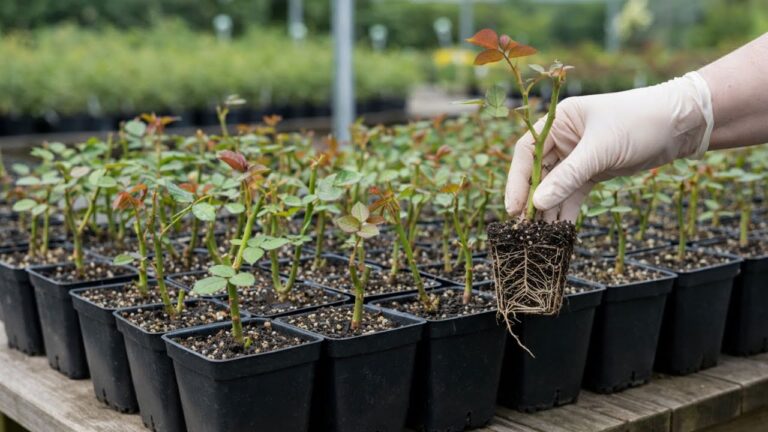
- Dig holes: Make holes that are at least twice as wide as the root ball.
- Place in the hole: Position the rose so the graft line is just above the soil line.
- Water thoroughly: Ensure your roses are well-watered after planting to eliminate air pockets.
These planting techniques will help your roses establish quickly and lay the groundwork for abundant blooms.
Spacing Your Roses
To avoid overcrowding as your roses grow, ensure you space them at least 24 to 36 inches apart. This spacing allows air circulation, which is vital for preventing diseases.
Timing of Planting
Consider planting early in the morning or late in the evening to minimize stress on the plants. Avoid hot midday sun, which can cause shock and affect establishment.
Caring for Your Roses in the First Week
Your roses need some extra attention during their first week as they settle into their new home:
- Water daily: Newly planted roses usually require daily watering, especially in warm weather.
- Mulch the area: Adding a layer of mulch can help retain moisture and regulate soil temperature.
- Monitor for pests: Check regularly for signs of pests or diseases.
Providing consistent care during this critical period will foster stronger plants with better growth potential.
Nutrient Supply
Consider using a balanced fertilizer formulated for roses after the first week to support growth. Apply according to package instructions to avoid over-fertilizing.
Environmental Conditions
Ensure your roses are not exposed to extreme weather conditions. If you expect heavy rains, consider protective coverings to safeguard newly planted roses from potential damage.
Common Mistakes to Avoid
Achieving a successful rose garden requires careful attention. Here are some common pitfalls:
- Overwatering: It’s essential to let the soil dry slightly between waterings.
- Ignoring sunlight: Ensure your roses get at least 6-8 hours of direct sunlight daily.
- Planting too deep: Planting roses too deep can suffocate roots and hinder growth.
- Neglecting soil testing: Without knowing your soil’s needs, you may inadvertently apply inappropriate amendments.
- Procrastinating on care: Ensure to attend to your roses regularly, especially in the early stages.
FAQ
How many roses can I grow in a standard garden bed?
Typically, a standard 4×8 garden bed can accommodate about 8 to 12 rose bushes, depending on the variety and spacing guidelines.
What is the best time to plant roses?
The best time to plant roses is during the spring or fall when temperatures are more moderate and conducive to growth.
Can I grow roses in pots?
Yes, many rose varieties thrive in pots as long as they have ample space for roots and receive sufficient sunlight and water.
Conclusion
Growing 1,000 roses in just a week is entirely possible with the right preparation and care. From soil preparation to daily attention, these steps will guide you in achieving a beautiful bloom. What rose varieties are you excited to grow? Share your thoughts in the comments below!