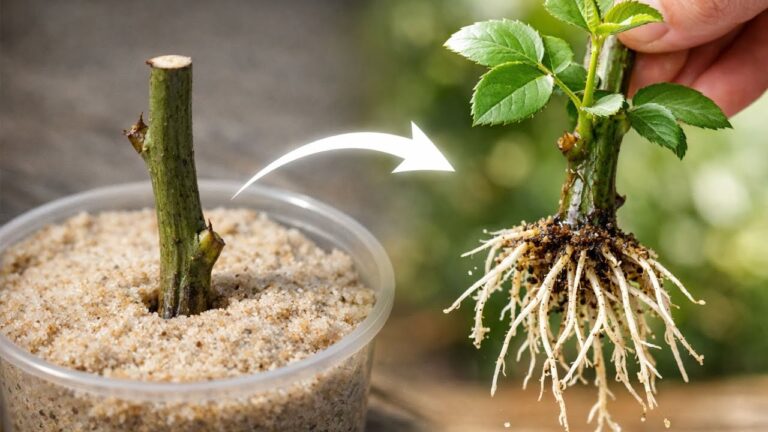
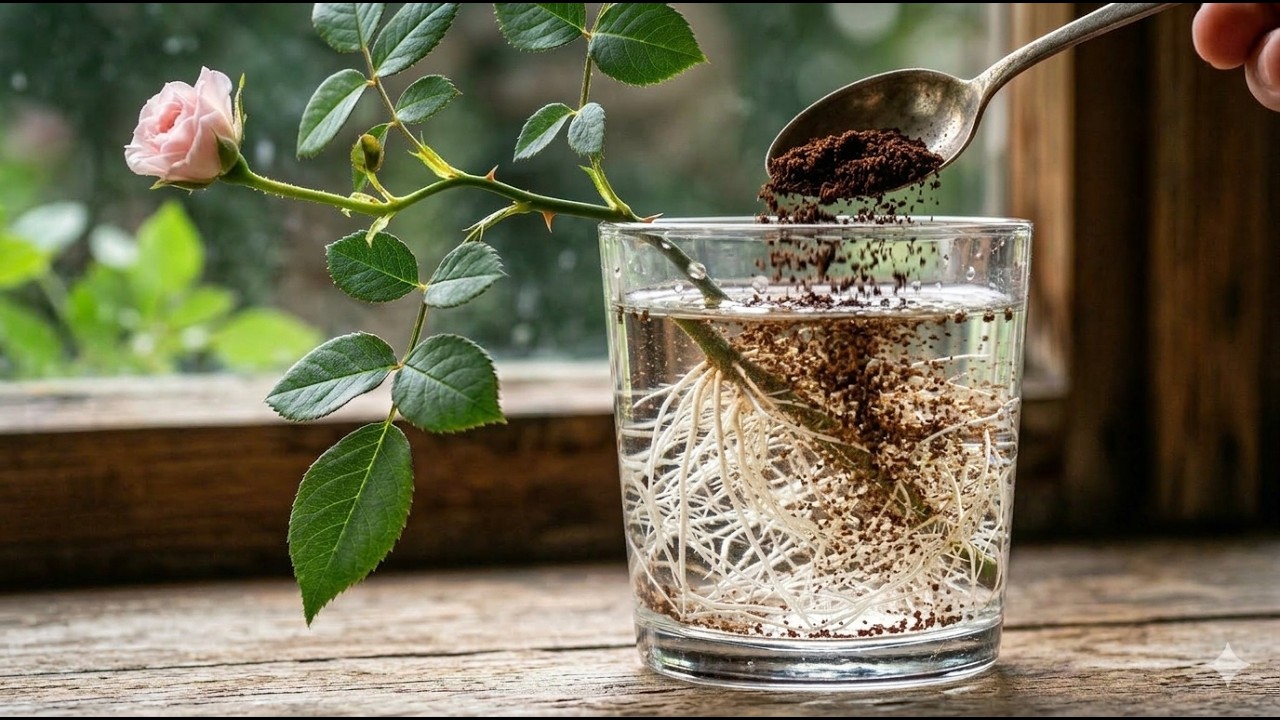
Grow Rose Cuttings with Just 1 Spoon of Coffee and See Crazy Roots in 24 Hours!
Grow Rose Cuttings with Coffee: A Simple Guide for Amazing Roots
- Introduction
- Benefits of Using Coffee for Rose Cuttings
- Materials Needed
- Step-by-Step Guide to Growing Rose Cuttings
- Common Mistakes to Avoid
- FAQ
- Conclusion
Introduction
Have you ever faced challenges in propagating rose cuttings, watching them struggle to take root, and feeling a bit discouraged? It’s frustrating when you know you have beautiful roses to share but can’t seem to get them to grow from cuttings. Thankfully, with the right approach and a surprising ingredient like coffee, you can give your rose cuttings a fantastic boost. Dive in to discover how to harness this simple trick for vibrant, thriving plants.
Benefits of Using Coffee for Rose Cuttings
Using coffee grounds or brewed coffee can enhance the rooting process of your rose cuttings. Here’s why:
- Nutrient Boost: Coffee contains nitrogen and essential minerals that can help nourish your cuttings.
- Improved Soil Structure: The acidity in coffee can enhance the soil, making it more conducive for root growth.
- Pest Deterrent: Coffee grounds can help keep pests at bay, providing a safer environment for your cuttings to thrive.
Materials Needed
Before you begin the process of growing rose cuttings, gather the following materials:
- One spoon of brewed coffee: Any leftover coffee can do the trick.
- Healthy rose cuttings: Look for 6-8 inch cuttings from healthy, disease-free roses.
- Potting soil: A well-draining potting mix works best.
- Containers: Small pots or a seed tray will work well.
- Water: Room temperature water for misting the cuttings.
Step-by-Step Guide to Growing Rose Cuttings
Follow these simple steps to ensure successful propagation of your rose cuttings:
- Prepare Your Cuttings: Cut a healthy rose stem at an angle just below a node. Remove any leaves from the lower half.
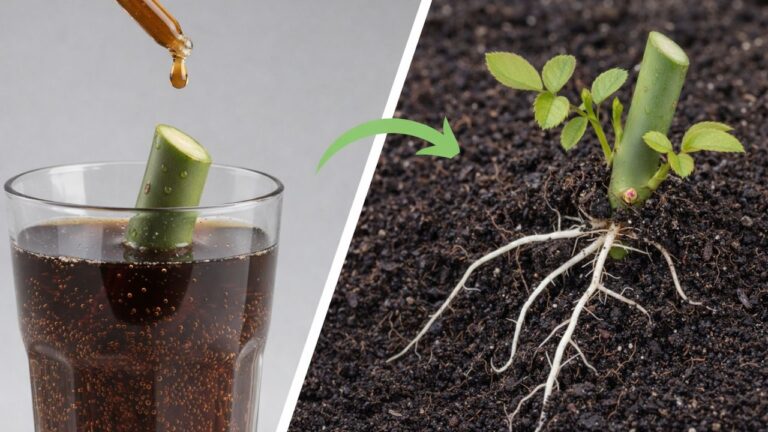
- Soak in Coffee: Place your rose cuttings in a bowl with one spoon of brewed coffee for 24 hours. This will encourage root growth.
- Pot Your Cuttings: Fill your container with potting soil, leaving space at the top. Use your finger or a stick to make holes for the cuttings.
- Insert Cuttings: Carefully place the soaked cuttings into the holes and gently pack the soil around them.
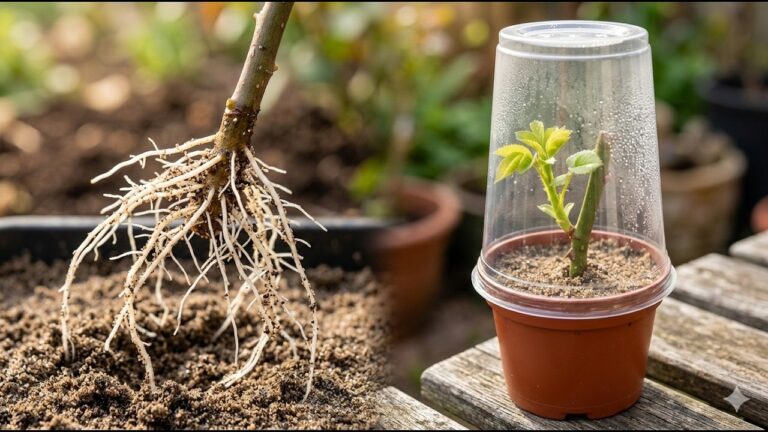
- Mist the Soil: Lightly mist the soil to ensure it’s moist but not soggy. Covering the pot with a plastic bag can help retain moisture.
- Provide the Right Environment: Place the container in a warm location with indirect sunlight. Ideally, temperatures should be around 65-75°F (18-24°C).
- Check and Water: Monitor the moisture of the soil and water lightly when necessary, ensuring it stays damp.
- Expect Rooting: After about 2-3 weeks, check for root development by gently tugging on the cuttings.
Common Mistakes to Avoid
Even with the best intentions, mistakes can happen. Here are some common pitfalls to avoid:
- Using Too Much Coffee: Excess coffee can lead to overly acidic soil. Stick to one spoon to prevent this issue.
- Neglecting Light Conditions: Direct sunlight can scorch the cuttings. Make sure they’re in a bright, indirect light setting.
- Overwatering: Too much water can cause rot. Maintain a balance and ensure good drainage.
- Not Monitoring Humidity: Keeping the cuttings too dry can hinder growth. A covered pot can help maintain humidity.
- Using Damaged Cuttings: Always choose healthy cuttings to increase your chances of successful rooting.
FAQ
Can I use instant coffee for rose cuttings? Yes, you can use instant coffee, but ensure it is diluted with water to avoid excessive acidity.
How long does it take for rose cuttings to root? Typically, you can expect roots to develop within 2-3 weeks, depending on conditions.
Can I use other plant cuttings with coffee? While coffee works well for roses, it’s also beneficial for some other woody plants. Do a little research on specific needs.
Conclusion
With just a spoon of coffee, you can significantly enhance your rose cutting propagation efforts, ensuring healthier roots in a short amount of time. Have you tried propagating roses before, and what methods have you used? Share your experiences in the comments!