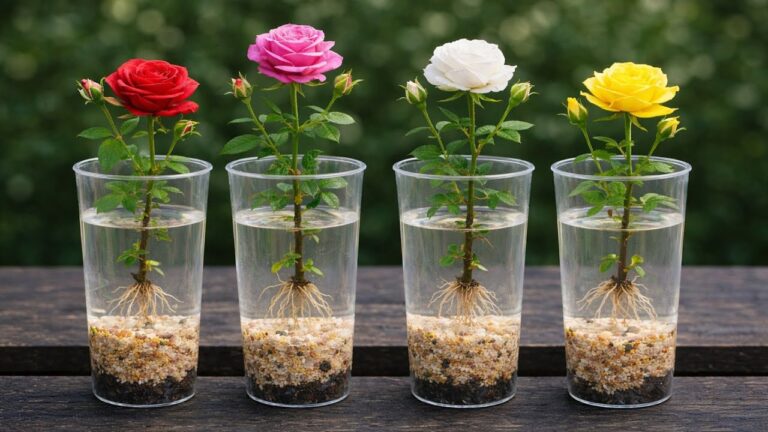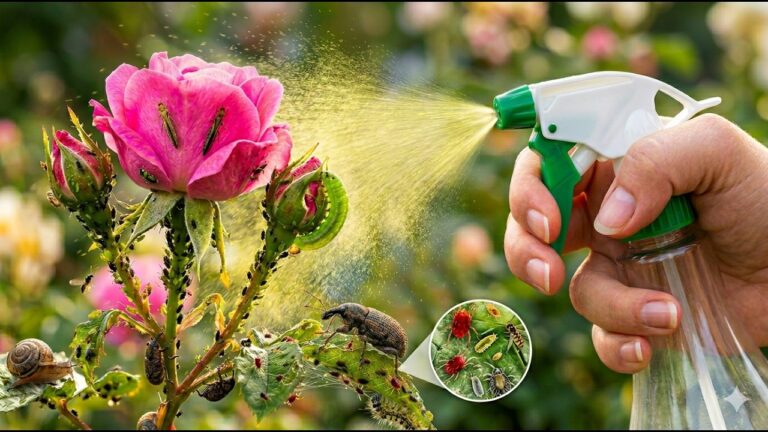
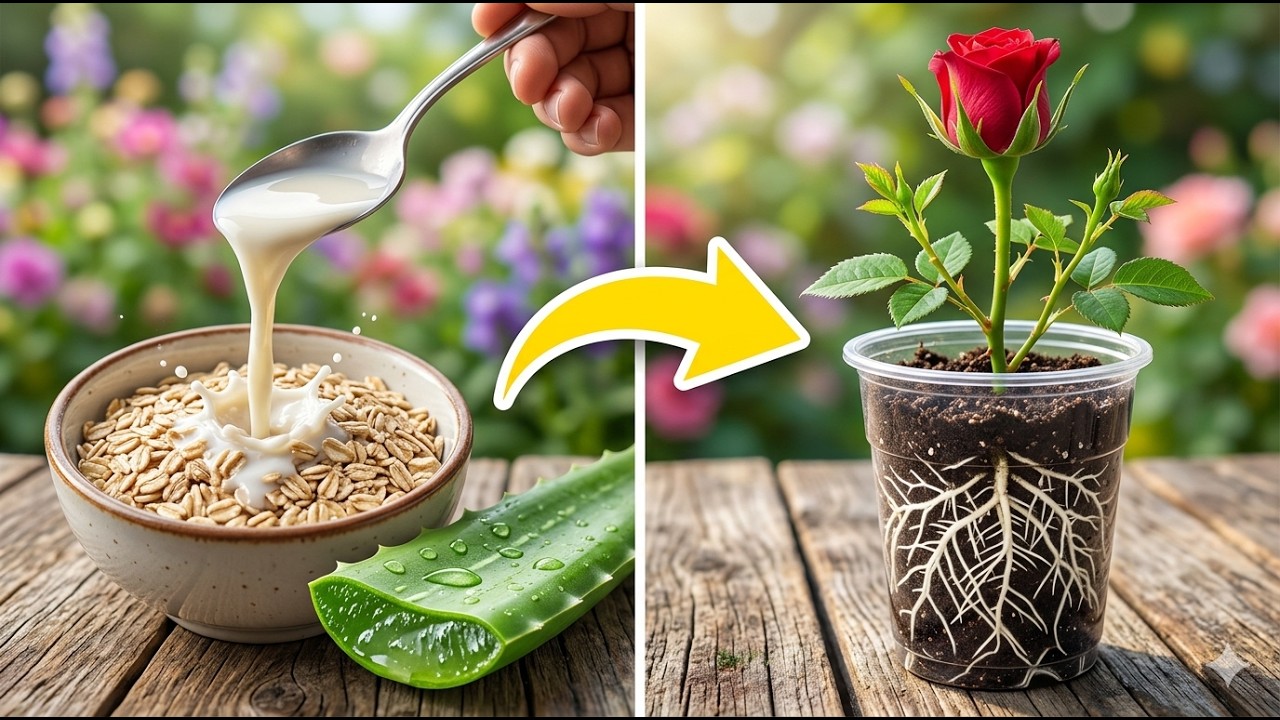
Grow 500% More Roots Overnight: Just One Spoon of This Secret for Rose Cuttings!
Grow More Roots: Using a Simple Secret for Your Rose Cuttings
- Introduction
- Benefits of Using the Secret Ingredient
- Materials Needed
- Step-by-Step Guide
- Common Mistakes
- FAQ
- Conclusion
Introduction
Have you ever planted rose cuttings only to find they struggle to take root? It’s a common frustration for many gardeners, especially when you’re eager to propagate your favorite blooms. While nurturing your cuttings, you may notice that some thrive while others seem to linger indefinitely. Understanding the right techniques to encourage healthy root development can make all the difference. Let’s dive into a simple yet effective method to enhance root growth and help your rose cuttings flourish.
Benefits of Using the Secret Ingredient
Before you dive into planting those cuttings, it’s essential to understand the reasons behind using this special ingredient. Utilizing it not only aids in faster root development but also improves your cuttings’ overall health.
Why Use This Ingredient?
- Encourages faster rooting: The right ingredient can stimulate root production significantly.
- Strengthens plants: It helps create stronger cuttings that are less susceptible to diseases.
- Cost-effective: This natural alternative saves you money compared to commercial rooting powders.
Other Advantages
Besides enhancing root growth, using a natural secret ingredient could also lead to better water retention and nutrient absorption in your rose cuttings. This means healthier plants that can flourish in various conditions.
Materials Needed
Before you get started, gather the following materials for your rose propagation project:
- Healthy rose cuttings (around 6 inches in length)
- A jar or cup for the rooting solution
- Your secret ingredient (like cinnamon or honey)
- Potting soil or seed starting mix
- Small pots or seed trays
- Clear plastic bag or plastic wrap
Step-by-Step Guide
Now that you have your materials, let’s walk through the process of using the secret ingredient to promote root growth for your rose cuttings.
Step 1: Prepare Your Cuttings
- Choose healthy stems from your rose plant, ensuring they are at least 6 inches long.
- Trim the bottom end at a 45-degree angle to maximize surface area for rooting.
- Remove any leaves on the lower half to reduce moisture loss.
Step 2: Create Your Rooting Solution
In a jar or cup, mix your secret ingredient with water. This mixture can be made by:
- Dissolving 1 tablespoon of your chosen ingredient (like honey) in 2 cups of warm water.
- Letting it cool to room temperature.
Step 3: Dip and Plant Your Cuttings
- Soak the cuttings for a couple of hours in your rooting solution to kickstart the process.
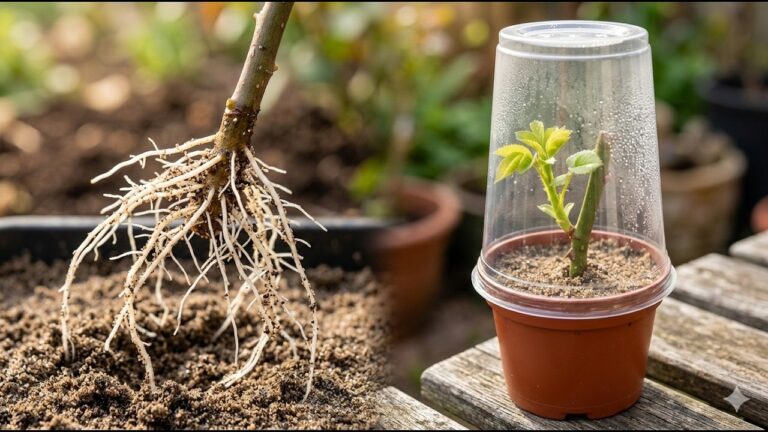
- Plant them in pots filled with potting soil, burying about half of the cutting.
- Water them lightly and cover with a plastic bag to create a humid environment.
Common Mistakes
While propagating rose cuttings can be straightforward, several common pitfalls can hinder your success. Here are some mistakes to avoid:
- Using cuttings that are too short or unhealthy, which may not thrive.
- Overwatering the cuttings; they need moisture but can rot if sitting in water.
- Neglecting to provide humidity; without it, cuttings may dry out too quickly.
FAQ
Can I use any ingredient for rooting?
While various natural ingredients can be beneficial, options like honey and cinnamon are particularly effective due to their antifungal and antibacterial properties.
How long does it take for rose cuttings to root?
Typically, rose cuttings can take anywhere from 2 to 6 weeks to develop roots, depending on environmental conditions.
Should I fertilize my cuttings?
It’s best to avoid fertilization during the initial rooting phase. Wait until the cuttings have established roots before introducing any fertilizer.
Conclusion
Using a simple secret ingredient can significantly enhance your rose cuttings’ chances of rooting successfully. By avoiding common mistakes and following the outlined steps, you’re set up for success in propagating your favorite roses. What strategies have you found effective for growing your rose cuttings? Your experiences could inspire others!