
Discover 5 Essential Tips to Identify and Treat Scabies Effectively!
Essential Tips for Identifying and Treating Scabies Effectively
- Understanding Scabies
- Identifying Symptoms of Scabies
- Effective Treatment Options for Scabies
- Common Mistakes to Avoid
- FAQ
Experiencing persistent itching and discomfort can be alarming, especially when you’re not sure of the cause. You might notice redness or rashes, confusion surrounding your symptoms, or even worry about spreading an infection. Scabies can be a frustrating and overwhelming condition, affecting both your skin and daily life. However, understanding how to identify and effectively treat it can lead to relief. Continue reading to explore practical insights into scabies.
Understanding Scabies
Scabies is caused by a tiny mite known as Sarcoptes scabiei, which burrows into the skin, leading to intense itching and a rash. It’s essential to recognize that scabies is contagious and can spread through close personal contact or shared clothing and bedding.
1. Symptoms and Signs
In understanding scabies, it’s vital to recognize key symptoms:
- Itching: Especially at night, this is often the first sign.
- Rashes: These can appear as small red spots or blisters, often in skin folds or between fingers.
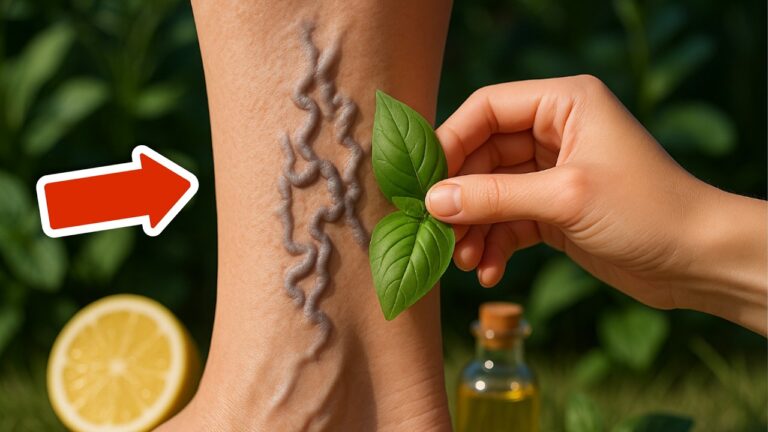
- Burrows: Tiny, raised lines on the skin indicate where the mites have tunneled.
2. How Scabies Spreads
Understanding how scabies spreads can help in preventing infection:
- Close contact with an infected individual.
- Sharing personal items like towels or bedding.
- Living in crowded conditions without access to adequate hygiene.
Identifying Symptoms of Scabies
Recognizing symptoms early is crucial for prompt treatment. Scabies can often be mistaken for other skin conditions, so careful observation is necessary.
1. Visual Inspection
Perform a thorough visual inspection of your body, paying attention to these areas:
- Between the fingers.
- Wrist areas, elbows, and knees.
- Under armpits and around the waist.
2. Itch Response
Take note of when you experience itching. If it intensifies at night, it may be a strong indicator of scabies. This characteristic can help differentiate it from other conditions.
Effective Treatment Options for Scabies
When it comes to treating scabies, understanding your options is key for effective recovery.
1. Over-the-Counter Remedies
Some over-the-counter remedies can provide relief, but their effectiveness may vary:
- Permethrin cream is commonly recommended.
- Other anti-itch creams may help alleviate discomfort.
- Consider oral antihistamines to control severe itching.
2. Prescription Medications
If symptoms persist, consult a healthcare professional for prescription treatments:
- Stronger topical medications like benzyl benzoate may be prescribed.
- In some cases, oral ivermectin is used for severe infestations.
3. Home Care and Hygiene
In addition to medication, implementing home care measures is essential:
- Wash all clothing and bedding in hot water.
- Vacuum carpets and furniture to prevent further spread.
- Avoid close contact with others until treatment is complete.
Common Mistakes to Avoid
When dealing with scabies, avoiding common pitfalls can enhance the effectiveness of your treatment.
1. Delaying Treatment
One mistake many individuals make is delaying treatment. Prompt action is crucial to prevent worsening symptoms and spreading the infestation.
2. Ignoring Secondary Infections
Scratching the affected areas can lead to secondary infections, which many people overlook. Remember to keep the skin clean and consider consulting a doctor if redness or swelling occurs.
3. Not Treating All Affected Areas
Another common error is not treating all affected areas. Mites can spread quickly, so it’s essential to apply medication to all areas, even if symptoms are only suspected in specific regions.
FAQ
What are the main symptoms of scabies?
The primary symptoms include intense itching, especially at night, rashes or blisters in various skin folds, and visible burrows created by the mites.
How long does treatment for scabies take to be effective?
Treatment typically shows results within a few days; however, itching may persist for up to several weeks after the mites are killed.
Can scabies be prevented?
While complete prevention is challenging, maintaining good hygiene and avoiding close contact with infected individuals can significantly reduce the risk.
In summary, recognizing scabies early and applying the right treatment options can lead to effective relief. Have you experienced symptoms before, or do you know someone who has? Share your thoughts in the comments below!