Even Old Laundries Keep This Secret: They’ve Never Had Clothes Like This
Even Old Laundries Keep This Secret: They’ve Never Had Clothes Like This
There’s a time-tested trick used by even the oldest laundries to keep garments clean and fresh. Here’s the secret unveiled.
Why Your Laundry Might Not Smell Fresh
Have you ever finished a laundry cycle, only to pull out clothes that carry an unpleasant odor, despite using top-notch detergents and fabric softeners? The cause of this common problem is straightforward yet often overlooked. Regular cleaning using traditional methods can effectively tackle this issue. Let’s explore how.
Taking Care of Your Washing Machine
Your washing machine is one of the most frequently used appliances in your home. Designed to deliver clean and fragrant laundry in a short amount of time, it occasionally faces challenges. You might take out damp-smelling clothes from the drum, even when you’ve used highly fragrant detergents and softeners. What could be the reason behind this?
The answer often lies in moisture itself. It’s essential to maintain your washing machine by cleaning it regularly; otherwise, soap and water residues can lead to mold growth in the seal. Over time, this can result in not only odorous clothes but also skin allergies.
A good habit to adopt is to clean and dry the seal after each wash. This prevents residues from accumulating and creating mold and humidity. Simply wipe it down with a paper towel or a cotton cloth. If the issue has progressed, there’s a trick used by old laundries to thoroughly clean and maintain your washing machine.
The Old Laundry Trick
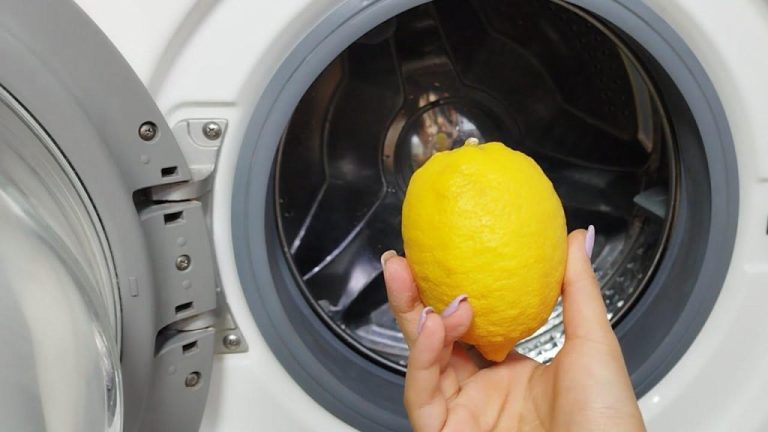
To ensure your washing machine remains in excellent condition and to prevent moisture and mold formation, you’ll need a few easily available ingredients: a lemon, toothpaste, baking soda, and a bit of vinegar. The key ingredient in this cleaning method is undoubtedly the lemon.
The Power of Lemon
Lemon is a versatile ingredient that can be extensively used for household cleaning, primarily due to its disinfectant properties. This citrus fruit has natural antibacterial and antiviral properties, thanks to citric acid, making it an excellent disinfectant for surfaces like sinks, tubs, toilets, and kitchens.
It also emits a fresh, clean scent, ideal for banishing unpleasant odors at home. Additionally, lemon has grease-cutting and polishing properties.
How to Clean Your Washing Machine
To clean your washing machine effectively, simply cut the lemon in half and use one part. Follow these steps:
- Spread a layer of toothpaste over the pulp of the lemon.
- Add some toothpaste inside the door near the seal.
- Next, take half a cup of baking soda and sprinkle it inside the seal.
- Follow this with a cup of vinegar and let it sit for a few minutes.
- Use a toothbrush to actively scrub away any residues present in the seal.
Once you’re done scrubbing, pour half a cup of vinegar into the drum, close the door, and start a medium-temperature wash. The hot water will dissolve the lemon, acting as a degreaser and disinfectant, aided by the toothpaste. After the cycle is complete, open the door and dry any residual water in the seal.
Maintain a Clean Washing Machine
Your washing machine will now be clean and disinfected. To keep it in top shape, repeat this process once a month for deep cleaning. Remember to always dry the seal after each wash cycle to prevent future issues.
Conclusion
By incorporating these simple yet effective cleaning methods into your routine, you can maintain a fresh-smelling washing machine and prolong the life of your garments. Discover the secret of the old laundries, and enjoy clean clothes like never before!