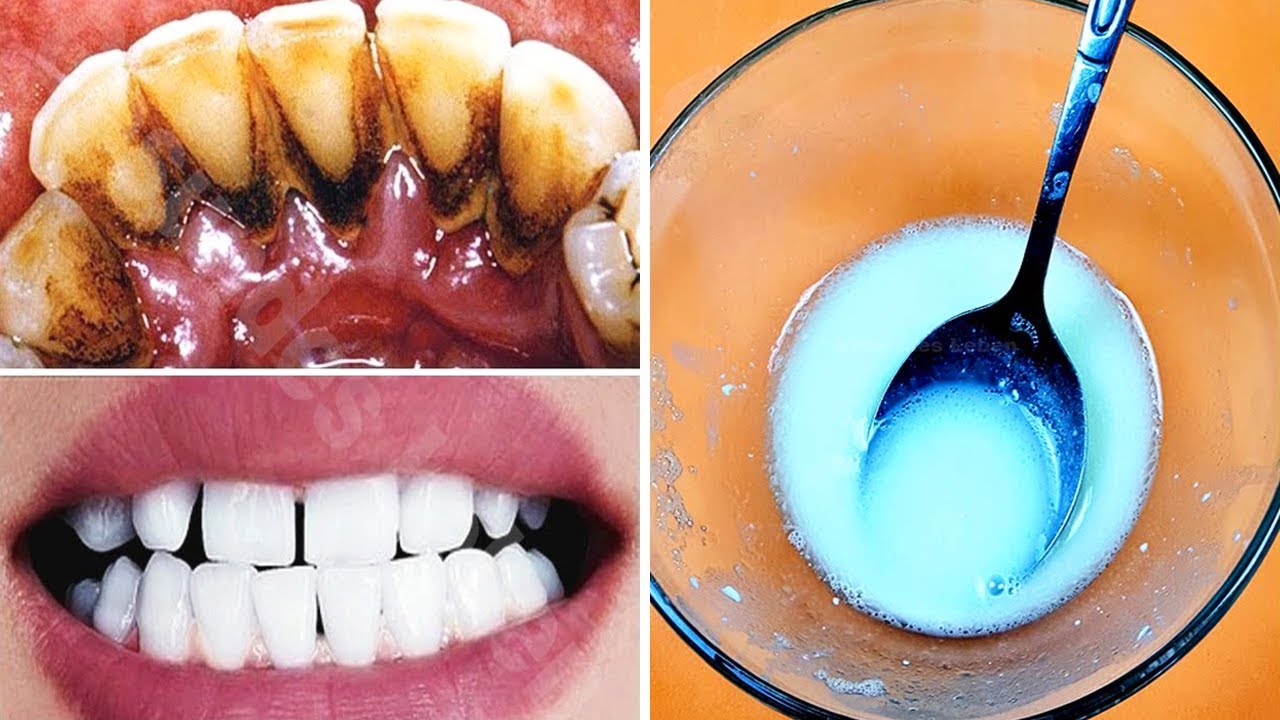
Remove Tartar in 2 Minutes with This Easy Mixture – Discover the Secret Now!
Quick and Effective Ways to Remove Tartar from Your Teeth
- Understanding Tartar and Its Causes
- Natural Remedies for Tartar Removal
- Preventative Measures to Avoid Tartar Build-Up
- Common Mistakes to Avoid
- FAQ
Understanding Tartar and Its Causes
Tartar, also known as dental calculus, forms when plaque is not removed from your teeth. This hard deposit can lead to gum disease and cavities if not treated properly. Many people experience this buildup, especially if they have a diet high in sugars and acids. Your everyday habits, such as how often you brush and floss, play a significant role in tartar accumulation. Knowing the factors contributing to tartar can help you maintain better oral hygiene and keep your smile bright and healthy.
What is Tartar?
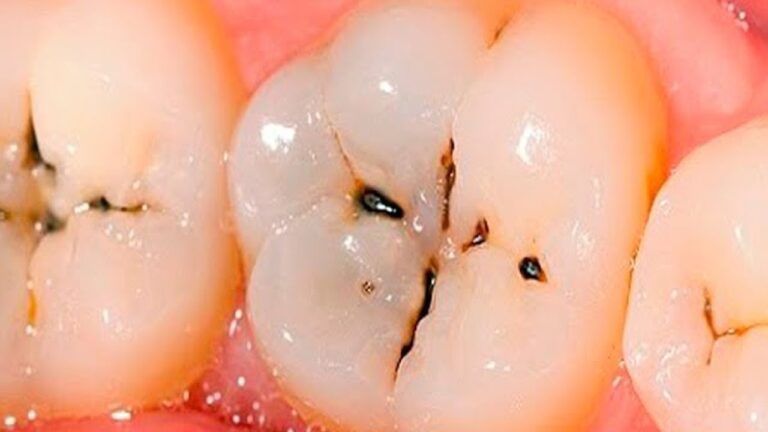
Tartar is a hard calcified substance that forms on your teeth. It’s caused by the mineralization of plaque, typically occurring when plaque is not adequately cleaned from your teeth. Tartar can range in color from yellow to brown, and once it forms, it can only be removed by a dental professional.
Causes of Tartar Build-Up
- Poor oral hygiene: Neglecting to brush and floss regularly can lead to plaque hardening into tartar.
- Diet: Consuming high-sugar and acidic foods can contribute to plaque formation.
- Smoking: Tobacco use can affect your oral health, leading to increased tartar buildup.
Natural Remedies for Tartar Removal
There are various natural remedies that can help you address tartar build-up effectively, allowing you to maintain your dental health at home. These simple mixtures can assist in breaking down the hard deposits and promoting healthier gums.
1. Baking Soda Paste
Baking soda is renowned for its ability to help remove stains and tartar.
To make a baking soda paste:
- Mix two tablespoons of baking soda with enough water to form a paste.
- Brush your teeth gently with the paste for two minutes.
- Rinse thoroughly to remove the paste.
2. Vinegar and Water Rinse
Vinegar has antimicrobial properties that can help combat plaque.
To create a vinegar rinse:
- Mix one part vinegar with two parts water.
- Gargle the solution for about one minute before spitting it out.
- Rinse your mouth with water afterward to reduce the vinegar’s acidity.
Preventative Measures to Avoid Tartar Build-Up
Prevention is always better than cure when it comes to tartar. By implementing good oral hygiene practices and making mindful dietary choices, you can significantly reduce the chances of tartar formation.
Regular Brushing and Flossing
Brushing your teeth at least twice daily and flossing regularly are fundamental practices for effective oral care. Here are some tips:
- Use a fluoride toothpaste to strengthen tooth enamel.
- Ensure you brush your teeth for at least two minutes each time.
Dietary Choices
Your diet can impact tartar formation significantly. Consider these guidelines:
- Limit sugary snacks and beverages that promote plaque formation.
- Incorporate crunchy fruits and vegetables like apples and carrots, which can naturally help clean your teeth.
Common Mistakes to Avoid
Even with good intentions, some common mistakes can hinder your efforts to remove and prevent tartar. Avoid these pitfalls for better oral health.
1. Skipping Flossing
Many people forget to floss, thinking brushing alone is sufficient. Flossing helps remove plaque between teeth where a toothbrush can’t reach.
2. Using the Wrong Brush
Using a hard-bristled toothbrush can damage your gums. Opt for a soft or medium-bristled brush to prevent irritation and gum damage.
3. Ignoring Professional Cleanings
While home care is important, dental cleanings are crucial for thorough tartar removal. Schedule regular appointments with your dentist to maintain oral health.
FAQ
Q: How often should I visit the dentist for cleanings?
A: It is typically recommended to visit your dentist every six months for a cleaning, but your dentist may suggest more frequent visits based on your individual needs.
Q: Can tartar lead to gum disease?
A: Yes, if not removed, tartar can contribute to gum disease, which can have serious health implications if left untreated.
Q: Are there any natural ingredients that should be avoided?
A: Avoid using too abrasive substances, like table salt or overly acidic foods that can wear down tooth enamel.
Conclusion
Being proactive about your oral care can significantly help in removing and preventing tartar build-up. By incorporating natural remedies and maintaining good hygiene practices, you can promote a healthier smile. What are your go-to methods for maintaining oral health? Feel free to share your thoughts in the comments!