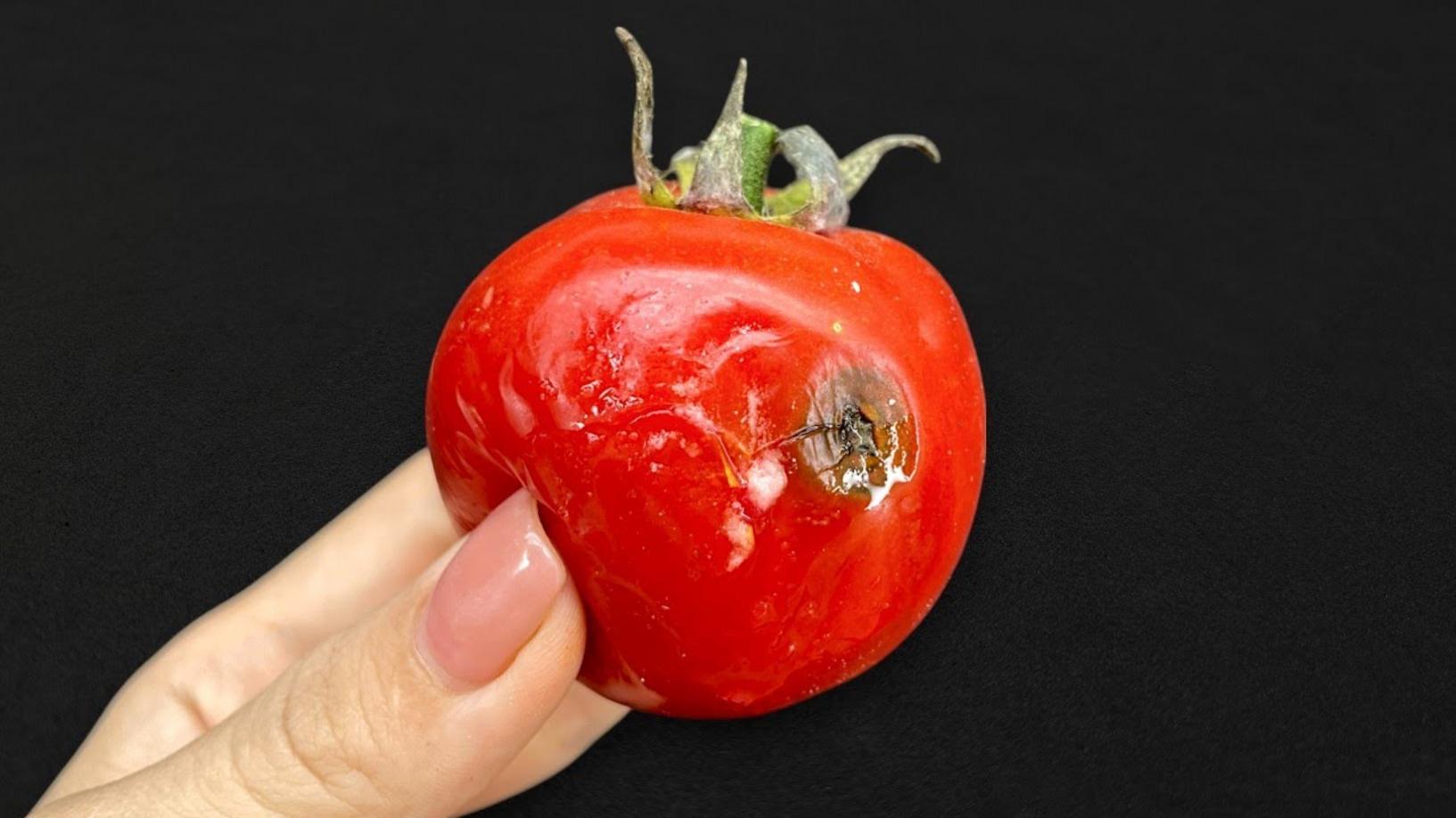
This forgotten trick turns rotten tomatoes into your garden’s secret weapon…
This Forgotten Trick Turns Rotten Tomatoes into Your Garden’s Secret Weapon
Have you ever considered throwing away those **rotting tomatoes** from your kitchen? Before you toss them in the trash, let’s explore how these forgotten fruits can be transformed into a **powerful gardening ally**. In this article, we’ll unveil the secrets of using rotten tomatoes to enhance your garden’s health, boost soil quality, and support plant growth.
The Power of Rotten Tomatoes
**Rotten tomatoes** are often seen as waste, but they are packed with nutrients that can benefit your garden. These fruits contain valuable minerals and vitamins that can invigorate your soil. By composting or using them directly, you can enrich your garden in unexpected ways!
Step-by-Step Guide to Using Rotten Tomatoes
1. Identify Your Tomatoes
Start by selecting your **rotten tomatoes**. Look for ones that are mushy and well-past their prime but not moldy. Make sure they don’t harbor any diseases that could transfer to your soil.
2. Prepare the Tomatoes
Cut the **rotting tomatoes** into smaller pieces. This will speed up the decomposition process. Mix in any leftover scraps like stems or leaves for added nutrients.
3. Composting Method
- Choose a compost bin: If you have one, add your tomato scraps to it.
- Layer them well: Ensure a balance of greens (like fresh kitchen scraps) and browns (like dry leaves or cardboard) in your compost for optimal results.
- Turn it regularly: This aerates the compost pile, allowing for better breakdown and nutrient retention.
4. Direct Soil Application
If you’re not composting, you can bury the **tomatoes** directly into the soil. This works best in the fall when you’re preparing your garden for winter. Dig a small hole, place the tomato pieces inside, and cover them with soil.
Practical Tips Based on Experience
- **Timing is crucial**: Add rotten tomatoes when soil temperatures are warmer, as this speeds up decomposition.
- **Avoid diseases**: If your tomatoes show signs of disease, it’s best not to use them to prevent spreading pathogens.
- **Monitor your plants**: Watch how your plants respond to the added nutrients. Healthy growth is a sign you’re on the right track!
Common Mistakes to Avoid
- Ignoring moldy tomatoes: These can introduce harmful fungi to your garden.
- Overloading your compost: Too many **rotting tomatoes** can create an imbalance. Always mix them with other materials.
- Using non-organic tomatoes: Stick to **organic** tomatoes to ensure you’re not introducing pesticides into your garden.
Final Thoughts
Using **rotting tomatoes** in your garden not only recycles waste but also boosts your soil health. This simple trick can lead to healthier plants and a lush garden. So, the next time you find those overripe fruits lurking in your kitchen, remember their hidden potential! Embrace the power of nature’s recycling and turn your unwanted scraps into your garden’s secret weapon.
Ready to give it a try? Grab those rotten tomatoes and watch your garden flourish! **Subscribe** for more clever tricks and sustainable gardening tips!