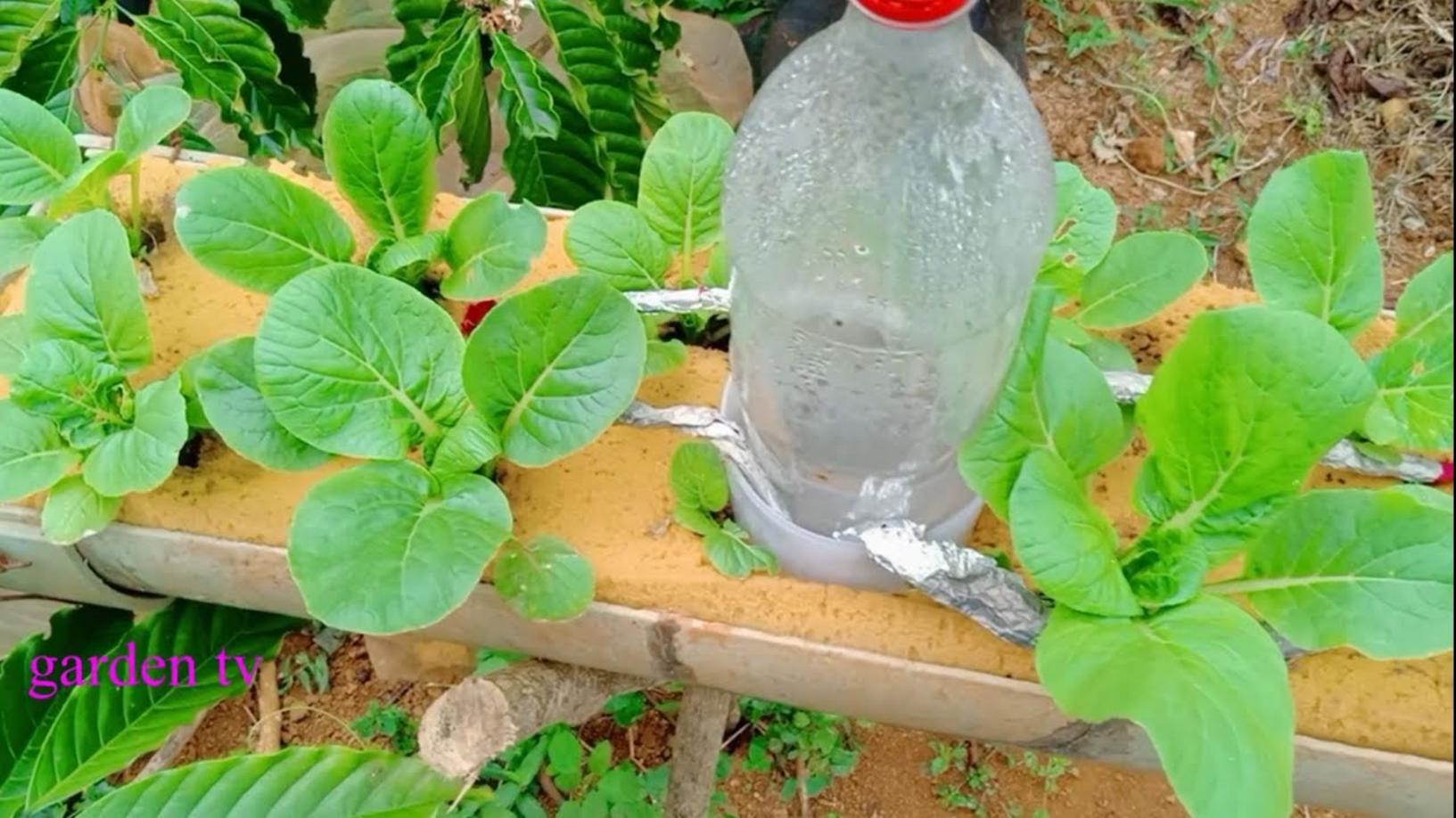
This simple method transforms any space into a thriving organic vegetable garden…
This Simple Method Transforms Any Space into a Thriving Organic Vegetable Garden
Creating a thriving organic vegetable garden at home can be a fulfilling endeavor. Whether you have a small balcony, a backyard, or even just a windowsill, you can grow your own fresh vegetables. With a little guidance and some dedication, you’ll soon enjoy the taste of homegrown goodness. Let’s dive into a simple method that can transform your space!
Step 1: Choose the Right Location
Start by selecting a location that gets at least **6-8 hours of sunlight** each day. Good drainage is also crucial. A spot that is sheltered from harsh winds can protect your plants and promote growth.
- Balcony or Patio: Use containers to maximize space.
- Backyard Garden: Designate a small plot for planting directly in the soil.
- Windowsill: Perfect for herbs and small vegetables.
Step 2: Prepare Your Soil
The foundation of any successful garden is **healthy soil**. Start by testing your soil type. If it’s too sandy or clay-heavy, you can improve it by adding organic matter like compost. This helps retain moisture and provides essential nutrients for your plants.
- Compost: Enriches the soil with nutrients.
- Mulch: Helps retain moisture and suppress weeds.
Step 3: Select Your Vegetables
Choose **organic seeds or seedlings** that thrive in your climate. Popular options include tomatoes, peppers, lettuce, and spinach. Consider your cooking preferences and how much space each plant needs when making your selection.
Step 4: Planting Techniques
When planting, follow the instructions on the seed packets for **spacing** and **depth**. For seeds, you can use a simple guideline: plant them about twice as deep as their diameter. Be mindful of the **growth habits** of each plant, as some may require more space than others.
Step 5: Watering Wisely
Watering is critical for your plants’ success. Aim to keep the soil consistently moist but not waterlogged. Early morning is the best time to water your garden, as this allows excess moisture to evaporate.
Step 6: Why Organic Practices Matter
Using **organic methods** not only enhances the taste of your vegetables but also protects the environment. Avoid synthetic pesticides and herbicides. Instead, use natural alternatives to combat pests, such as neem oil or insecticidal soap.
Common Mistakes to Avoid
- Overwatering: This can lead to root rot. Always check the soil moisture first.
- Ignoring Pest Control: Take action at the first sign of pests. Early intervention is key!
- Planting Too Close: Ensure there’s enough space for air circulation to prevent diseases.
Conclusion: Start Your Organic Garden Today!
Transforming any space into a **thriving organic vegetable garden** is within your reach. Follow these steps, learn from your experiences, and enjoy the magic of harvesting your own vegetables. Now is the time to get started! Gather your supplies, pick those seeds, and let nature do its work. Happy gardening!