10 Easy Tips for Succulent Care Every Beginner Should Know! 🌵
10 Simple Tips for Succulent Care Every Beginner Should Know
As a new plant parent, you may find yourself captivated by the variety of succulents available. However, you might also feel overwhelmed by the thought of keeping them thriving. These charming plants have specific care needs that, if not met, can lead to drooping leaves or even death. It’s easy to overlook essential aspects of their care. Dive into this guide to discover some easy tips that can help ensure your succulents thrive.
Understanding Succulents
Succulents are unique little plants that store water in their leaves, stems, or roots, making them ideal for dry environments. Learning about the different types can help you tailor your care approach.
Types of Succulents
- Jade plants – Known for their hearty leaves and ease of care.
- Aloe vera – Renowned for its medicinal properties.
- Haworthia – Small and often striped, these are perfect for compact spaces.
Benefits of Succulents
With their low maintenance nature, succulents make excellent companion plants. They add a touch of green to your space while improving air quality. Their diverse shapes and colors can contribute to a visually appealing home decor.
Ideal Light Conditions
Understanding light conditions is vital for your succulents to thrive. These plants prefer bright, indirect sunlight but can adapt to direct light if acclimated properly.
Finding the Right Spot
- Location: Place your succulents near a window that receives plenty of indirect sunlight.
- Rotation: Rotate your plants every few weeks to ensure even growth.
- Observation: Watch for signs of distress such as stretching, which indicates they need more light.
Artificial Light Options
If natural light is limited in your space, consider using grow lights. These are particularly effective during winter months when sunlight is scarce.
Watering Techniques
Improper watering is one of the most common causes of succulent issues. Knowing when and how to water is essential for keeping your plants healthy.
When to Water
- Soil check: Always check if the soil is dry a couple of inches down before watering.
- Seasonal adjustments: Water more frequently during growing seasons (spring and summer) and less in fall and winter.
- Signs of overwatering: Yellowing leaves or a mushy base can indicate too much water.
Best Watering Practices
- Deep soak: Water thoroughly until you see it drain from the bottom.
- Drainage: Ensure that your pots have drainage holes to avoid root rot.
- Water slowly: Pour water slowly to allow the soil to absorb it properly.
Common Mistakes
Even seasoned plant lovers can make mistakes. Here are some pitfalls to be aware of that can impact your succulent care.
Poor Soil Choices
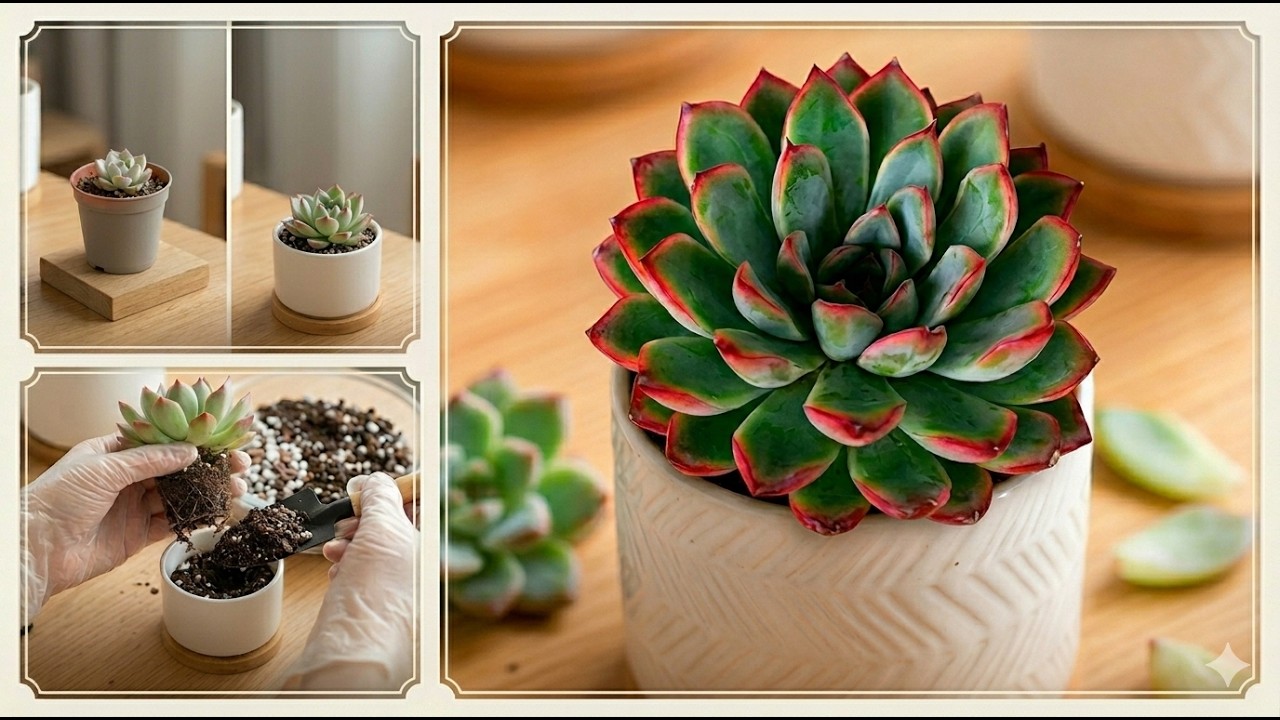
Using regular potting soil can lead to poor drainage. It’s best to choose a soil mix specifically designed for succulents.
Inconsistent Care
Sudden changes in care, such as moving your plant to a darker spot or shifting its watering schedule drastically, can cause stress. Maintain a consistent routine.
Ignoring Leaf Health
Observe your succulent’s leaves regularly. Discoloration or shriveling can indicate problems that need addressing.
FAQ
How often should I water my succulents? Water your succulents when the soil is completely dry, which may range from every week in warm months to every few weeks in winter.
Can succulents grow indoors? Yes, many succulents thrive indoors with adequate light. Ensure they receive enough bright, indirect sunlight to flourish.
What type of pot is best for succulents? Choose pots with drainage holes and preferably made of terracotta or other breathable materials to prevent overwatering.
By following these tips, you can create an environment where your succulents have the chance to grow beautifully. What are your experiences with succulent care? Your thoughts and questions are welcome in the comments!