Root Roses Overnight: 1 Cup Trick for 100% Natural Growth! 🌹
Root Roses Overnight: 1 Cup Trick for 100% Natural Growth
- Introduction
- Benefits of Rooting Roses
- Materials Needed
- Step-by-Step Guide
- Common Mistakes to Avoid
- FAQ
- Conclusion
Introduction
Have you ever looked at a beautiful rose bush and wished you could multiply its beauty in your own garden? Many gardeners face the challenge of propagating roses successfully. While it might seem daunting, using a simple method can yield impressive results. By following specific steps and using a common household item, you can encourage your rose cuttings to take root naturally. Keep reading to discover how to achieve stunning growth in no time.
Benefits of Rooting Roses
Rooting your own roses not only expands your garden, but it also offers numerous advantages.
1. Cost Savings
Purchasing new rose plants can be expensive. By growing your own, you save on nursery costs.
2. Plant Variety
You can create a collection of different rose varieties that may not be available at local nurseries.
3. Emotional Fulfillment
There’s a unique satisfaction that comes from nurturing a plant from cutting to bloom.
Materials Needed
For successful propagation of roses, gather these essential items:
- 1 cup of warm water
- 2-3 healthy rose cuttings (6 to 8 inches long)
- Rooting hormone (optional but recommended)
- Small pot with drainage holes
- Rich potting soil
Using high-quality materials not only encourages better growth but also helps ensure your cuttings thrive.
Step-by-Step Guide
Follow these steps to successfully root your rose cuttings:
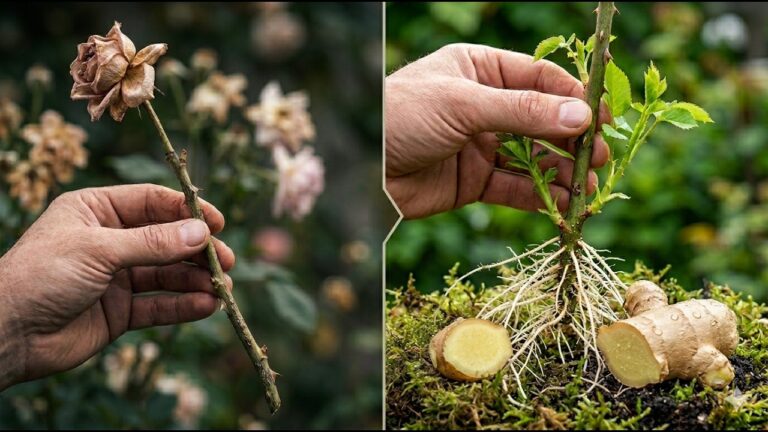
- Prepare your cuttings by trimming them just below a node, which is where new growth will emerge.
- Dip the cut end of your rose cutting in rooting hormone to promote faster root development.
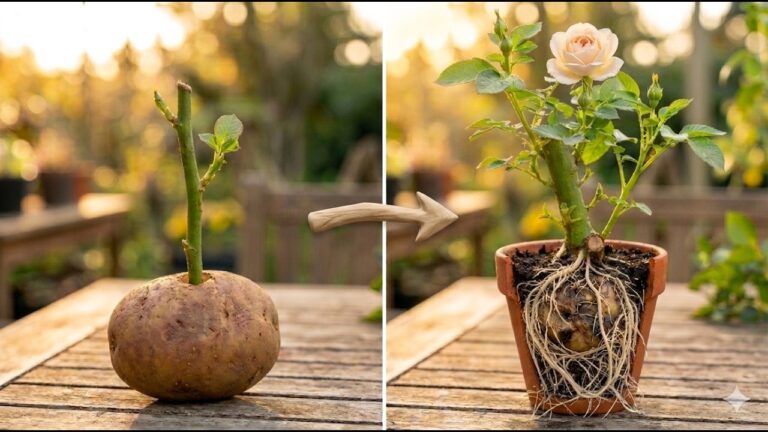
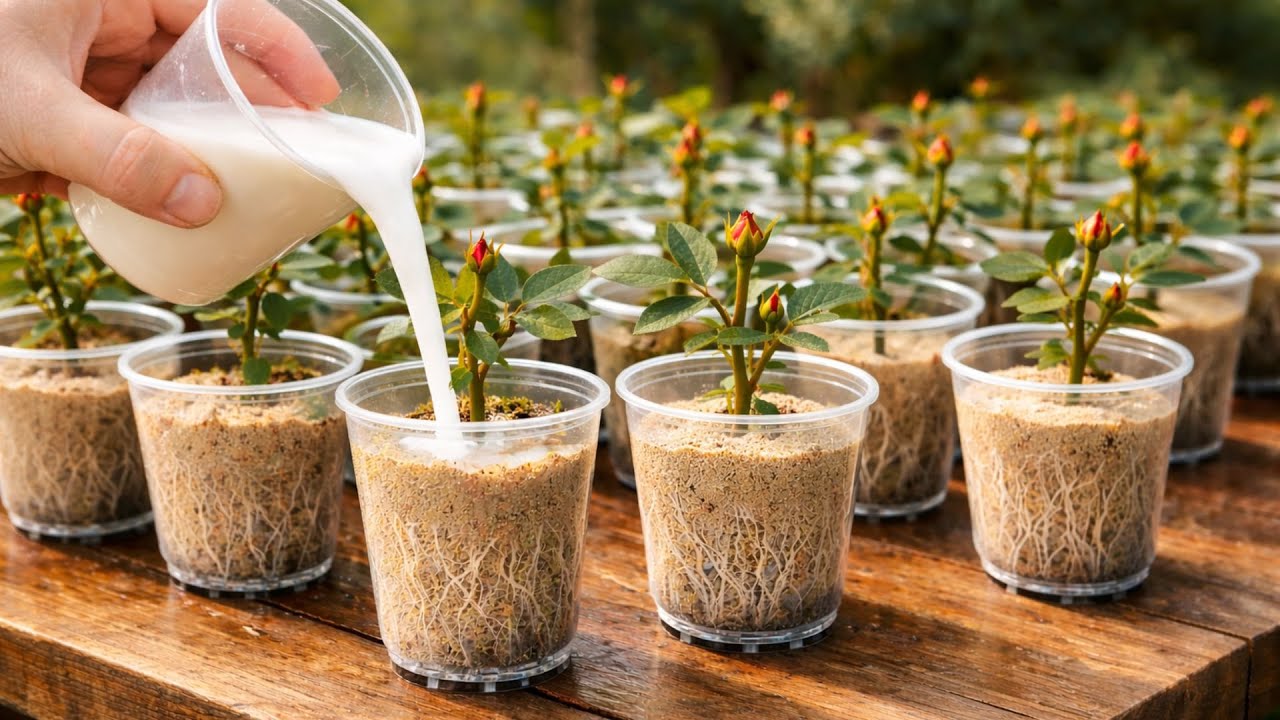
- Place the cuttings in a cup of warm water and let them soak for 24 hours. This step hydrates the cuttings.
- Fill your pot with potting soil, moistening it lightly before planting.
- Insert the soaked cuttings into the soil, ensuring they are secured in place. Water gently.
Once planted, keep your pot in a warm area with indirect sunlight. This encourages healthy growth and root establishment.
Common Mistakes to Avoid
When rooting roses, several common pitfalls can hinder your success:
- Using cuttings from unhealthy plants: Always choose cuttings from robust, thriving roses.
- Overwatering: Too much water can cause rot. Ensure the potting soil is moist but not soggy.
- Neglecting light requirements: Although indirect sunlight is essential, too much direct light can stress the cuttings.
- Skipping the rooting hormone: Using it boosts your chances of successful rooting.
- Not being patient: Rooting can take time; don’t be discouraged if you don’t see immediate results.
FAQ
How long does it take for rose cuttings to root?
Generally, expect to see roots developing within 2 to 4 weeks, though it can sometimes take longer depending on conditions.
Can I root roses in water?
Yes, rooting roses in water is possible, but transferring them to soil promotes healthier growth.
What time of year is best for rooting roses?
Late spring through early summer is ideal, as this is when roses are actively growing.
Conclusion
Rooting roses using the simple one-cup method is an excellent way to expand your floral collection naturally. By following these guidelines, you’ll feel rewarded as you watch your cuttings flourish. Have you tried propagating roses before? Share your experiences in the comments!