10 Essential Tips to Get Your Garden Ready for Spring
10 Essential Tips to Get Your Garden Ready for Spring
Spring is just around the corner, and it’s time to prepare your garden for a bountiful harvest. Whether you’re a seasoned gardener or just starting out, these tips will help you get your garden ready for a flourishing growing season.
1. Purchase and Organize Seeds
Selecting the right seeds is crucial for a successful garden. Whether you prefer sun-loving or shade-loving plants, make sure to choose quality seeds that thrive in your area.
- Buy locally or from other gardeners.
- Check the condition of your seeds; replace any that are moldy or damaged.
- Create a garden log to track your planting and maturation dates.
2. Create a Planting Calendar
Keep track of your planting and harvesting dates with a gardening log. This simple tool can help you avoid confusion and ensure your plants reach maturity at the right time.
- Document planting dates and successes.
- Note diseases or challenges you face throughout the season.
3. Sow Long-Season Seeds Indoors
For areas with shorter growing seasons, starting seeds indoors can give you a head start. Use biodegradable pots from materials you already have at home.
- Ideal seeds to start indoors include:
- Broccoli, Brussels sprouts, cauliflower, cabbage, eggplants, kale, marigolds, okra, peppers, tomatillo, tomatoes, watermelon.
4. Start Collecting Rainwater
Prepare for the unpredictable weather by collecting rainwater. It provides a sustainable watering option for your garden.
- Check local regulations on rainwater harvesting.
- Keep an eye on both droughts and excessive rainfall.
5. Add Compost to Your Garden
Compost enriches your soil and improves drainage. You can either buy it locally or create your own with kitchen and yard scraps.
- Spread one inch of compost on top of the soil or mix it in.
- Consider making compost tea for smaller gardens.
6. Other Soil Amendments
Consider using aged manure to boost nutrients in your garden soil. A soil test can help determine what your soil needs for optimal growth.
- Adjust soil pH using wood ash or lime to raise it, and peat to lower it.
- Balance nitrogen, phosphorus, and potassium (N-P-K) levels for healthy plant growth.
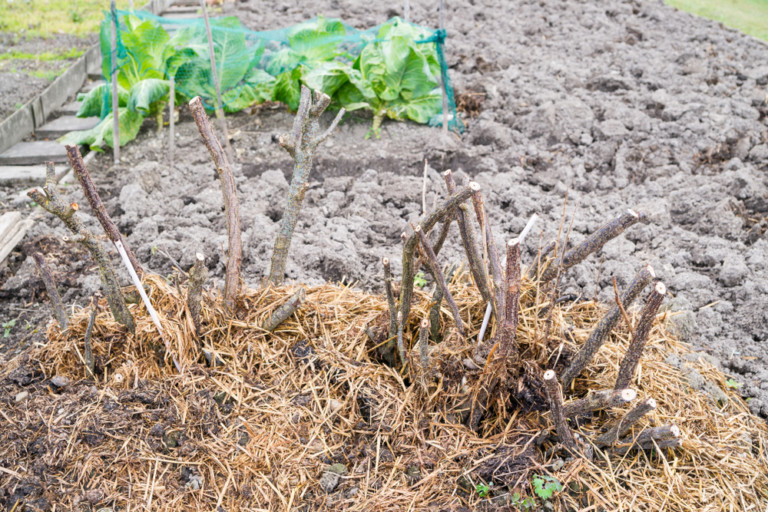
7. Do a General Garden Clean-Up
Spring is the perfect time for a garden clean-up. Clear out weeds, maintain paths, and prepare your space for the new growing season.
- Remove debris and dead plants.
- Divide perennials as needed and prepare planting stakes.
- Don’t forget to clean your greenhouse!
8. Sharpen and Clean Garden Tools
Ensure your tools are clean and sharp for the season. Regular maintenance helps prevent the spread of diseases among plants.
- Wash tools in hot, soapy water and sharpen as needed.
- Apply natural oil to metal parts to prevent rust.
9. Maintain Gates, Fences, and Trellises
Winter can be tough on garden fences and gates. Make necessary repairs to keep animals out and protect your plants.
- Clean and preserve wooden fences with a wood treatment.
- Inspect and repair any damaged metal structures.
10. Find a Source of Mulch
Mulch is essential for moisture retention and weed control. Consider your options and source mulch early, so you’re ready for planting.
- Choose between organic materials like grass clippings, straw, or wood chips.
- Explore various mulch types in our guide to mulching your garden.
As spring approaches, you’ll be stepping into your garden filled with anticipation. With these tips in hand, you’re well on your way to cultivating a vibrant and productive garden that will provide wholesome food for you and your family.