5 Tips to Ensure Your Rose Cuttings Root and Flourish 🌹
5 Tips to Ensure Your Rose Cuttings Root and Flourish
- Understanding Rose Cuttings
- Best Materials for Planting
- Rooting Tips for Success
- Common Mistakes to Avoid
- FAQs
Starting your journey with rose cuttings can be a delightful yet challenging experience. You might find yourself surrounded by curious blooms, envisioning a vibrant garden filled with fragrant roses. However, the process of nurturing cuttings to root successfully is not without its hurdles. Each step requires careful consideration—from selecting the right cuttings to ensuring they thrive in their new environment. With thoughtful planning and a bit of patience, your cuttings can transform into flourishing plants that will grace your garden for years to come.
Understanding Rose Cuttings
Before diving into the practicalities, it’s essential to grasp the basics of how rose cuttings work. Cuttings are sections of a plant that can develop roots in the right conditions. Here’s how you can maximize their chances of success:
Why Use Rose Cuttings?
Using cuttings allows you to propagate new roses that share the same characteristics as the parent plant. This method is often preferred because it’s easier than growing roses from seeds and can yield results more quickly.
Types of Rose Cuttings
There are usually three methods of obtaining cuttings:
- Softwood cuttings: Taken from new growth in late spring or early summer.
- Wood cuttings: Obtained from mature wood in late fall or early winter.
- Herbaceous cuttings: Made from non-woody parts during the growing season.
Best Materials for Planting
Choosing the right materials is crucial for successful propagation. Here are some recommendations:
Soil and Containers
Use a well-draining potting mix that holds moisture without becoming soggy. Small pots or seed trays work well to nurse your cuttings before transferring them to larger containers.
Cutting Tools
Ensure your cutting tools are sharp and clean. A sharp knife or pruning shears will make a clean cut, reducing stress on the plant. Keep your tools disinfected to prevent the spread of disease.
Rooting Hormone
While not a strict requirement, using a rooting hormone can enhance the likelihood of successful rooting. This helps stimulate root growth and can speed up the entire process.
Rooting Tips for Success
Now that you understand the materials, let’s explore some practical strategies to ensure your cuttings root and flourish:
1. Proper Timing
Choosing the right time is essential. Take cuttings in the early morning when the plant is well-hydrated, which will help them cope better during the rooting process.
2. Preparing the Cuttings
- Choose healthy stems: Look for stems without blemishes or diseases.
- Cut at an angle: This increases the surface area for water absorption.
- Remove extra leaves: Keep only a couple of leaves on the cutting to reduce water loss.
3. Humidity and Temperature
Creating a humid environment can greatly assist in the rooting process. Consider using a plastic bag or a mini greenhouse to maintain moisture around the cuttings. Keep your cuttings in a warm location, ideally between 70°F and 75°F, to encourage growth.
4. Be Patient
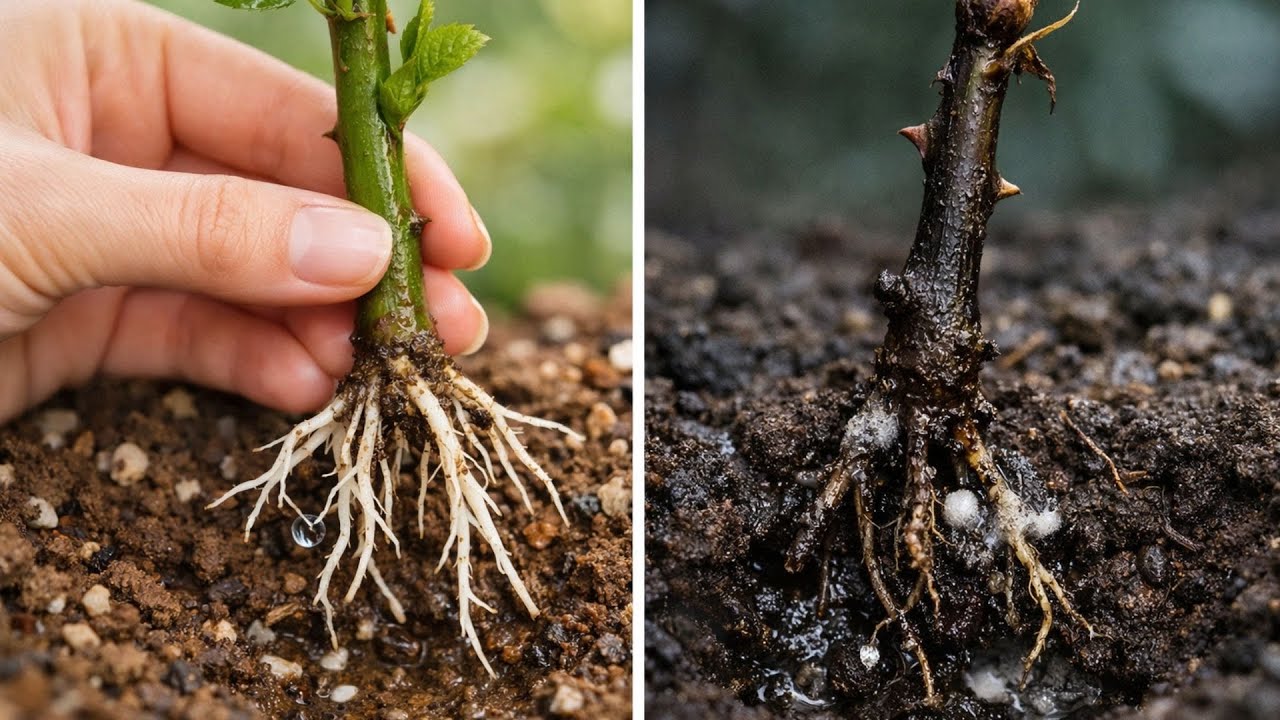
Roots can take several weeks to develop. During this time, check your cuttings regularly to ensure the soil stays moist but not wet. Avoid disturbing the cuttings as they begin to root.
Common Mistakes to Avoid
Even seasoned gardeners can make mistakes when propagating roses. Here are some common pitfalls to watch out for:
Mistake 1: Overwatering
While keeping the soil moist is important, overwatering can lead to rot. Ensure your pots have drainage holes to prevent excess water buildup.
Mistake 2: Using Low-Quality Cuttings
Always use healthy, vigorous stems. Weak or damaged cuttings are less likely to survive the rooting process.
Mistake 3: Neglecting Light Conditions
Cuts should not be placed in direct sunlight, as this can dry them out. Instead, opt for bright, indirect light to support their growth.
Mistake 4: Rushing the Process
Be cautious not to rush into transplanting your cuttings into larger pots. Wait until you see a substantial root system before moving them.
FAQs
How long does it take for rose cuttings to root?
Typically, rose cuttings will start to root within 2 to 3 weeks, but this can vary depending on the variety and care provided.
Can I use store-bought roses for cuttings?
Yes, you can take cuttings from store-bought roses, but ensure they are healthy and in good condition for the best chances of success.
What should I do if my cuttings don’t root?
If your cuttings fail to root, assess your environment, moisture levels, and light to determine potential issues, and try again with fresh cuttings.
Conclusion
Properly propagating rose cuttings requires attention to detail and a nurturing approach. By understanding the essentials and avoiding common mistakes, you’re on the path to growing beautiful roses. What types of roses are you most excited to try propagating?