5 Ways Ginger Boosts Rose Cutting Roots Even Faster
5 Effective Ways to Use Ginger for Boosting Rose Cutting Roots
- Introduction
- Benefits of Ginger for Rooting
- Preparing Ginger for Rose Cuttings
- Effective Application Methods
- Common Mistakes to Avoid
- FAQ
- Conclusion
Introduction
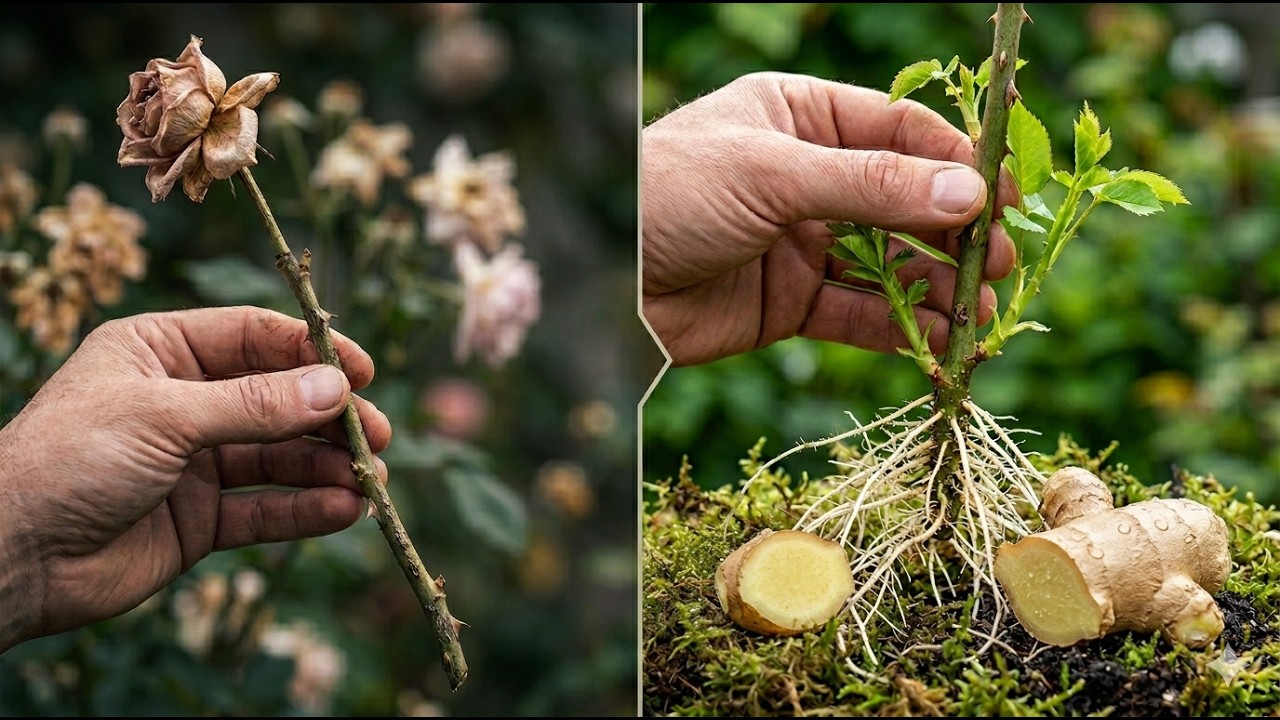
If you’ve ever struggled to get your rose cuttings to root properly, you understand the frustration that comes with waiting and hoping. Using the right techniques can mean the difference between watching your new plants flourish or feeling disappointed. Ginger, with its natural properties, is a wonderful resource to encourage quicker and healthier root growth in your rose cuttings. Want to find out how ginger can help? Read on to discover some practical ways to harness its benefits.
Benefits of Ginger for Rooting
Utilizing ginger in your gardening practice can provide multiple advantages for your rose cuttings. Here are some key benefits:
1. Natural Growth Hormones
Ginger contains powerful growth hormones that can stimulate root development. These hormones help guide your cuttings in forming new roots more efficiently, giving them a better chance at survival.
2. Antibacterial Properties
The antibacterial qualities of ginger protect rose cuttings against rot and disease, which are common threats during the rooting process. Using ginger helps create a healthier environment for your plants.
3. Nutrient-Rich
Ginger is rich in nutrients that provide cuttings with the essentials they need for strong root systems. This includes essential minerals that further support growth.
Preparing Ginger for Rose Cuttings
Knowing how to prepare ginger properly can maximize its effectiveness in aiding root development. Follow these simple steps for preparation:
- Choose fresh, firm ginger root from your local market. Avoid any that looks shriveled or moldy.
- Wash the ginger thoroughly to remove any dirt or residues.
- Cut the ginger into small pieces, about an inch long. Make sure you see the inner flesh, as this is where the active components are concentrated.
Effective Application Methods
After preparing your ginger, you can apply it in various ways to boost your rose cuttings’ rooting success:
1. Ginger Water Soak
Soaking cuttings in ginger-infused water can significantly enhance rooting.
- Boil a small piece of ginger in water for about 10 minutes.
- Cool the water and soak your rose cuttings for 24 hours before planting.
2. Ginger Paste
Creating a paste is another effective method to utilize ginger.
- Blend fresh ginger pieces with a small amount of water until you achieve a thick paste.
- Apply this paste to the cut ends of the rose cuttings before planting.
3. Rooting Medium Enhancement
Incorporating ginger directly into your rooting medium can also help.
- Mix small pieces of ginger into the soil before planting the cuttings.
- Water the medium lightly to ensure an even distribution of nutrients.
Common Mistakes to Avoid
When using ginger to promote rooting in rose cuttings, it’s important to be aware of some common pitfalls:
- Overuse of ginger can lead to nutrient overload, hampering root growth.
- Ignoring the importance of cleanliness can introduce bacteria, counteracting ginger’s benefits.
- Planting cuttings without proper soaking or preparation can limit success.
FAQ
How long does it take for rose cuttings to root with ginger?
With the support of ginger, rose cuttings can root within 2 to 4 weeks, depending on conditions like humidity and temperature.
Can I use dried ginger for rooting?
Fresh ginger is preferred due to its higher concentration of active compounds, but dried ginger may still have some efficacy.
Do I need to trim my cuttings before using ginger?
Trimming to remove excess foliage can help your cuttings focus energy on root growth, so it’s a good practice.
Conclusion
Incorporating ginger into your rose cutting propagation can lead to quicker and healthier root establishment. By understanding the proper methods and avoiding common mistakes, you can enjoy a more successful gardening experience. What techniques have you found helpful for your rose cuttings? We’d love to hear about your experiences in the comments!