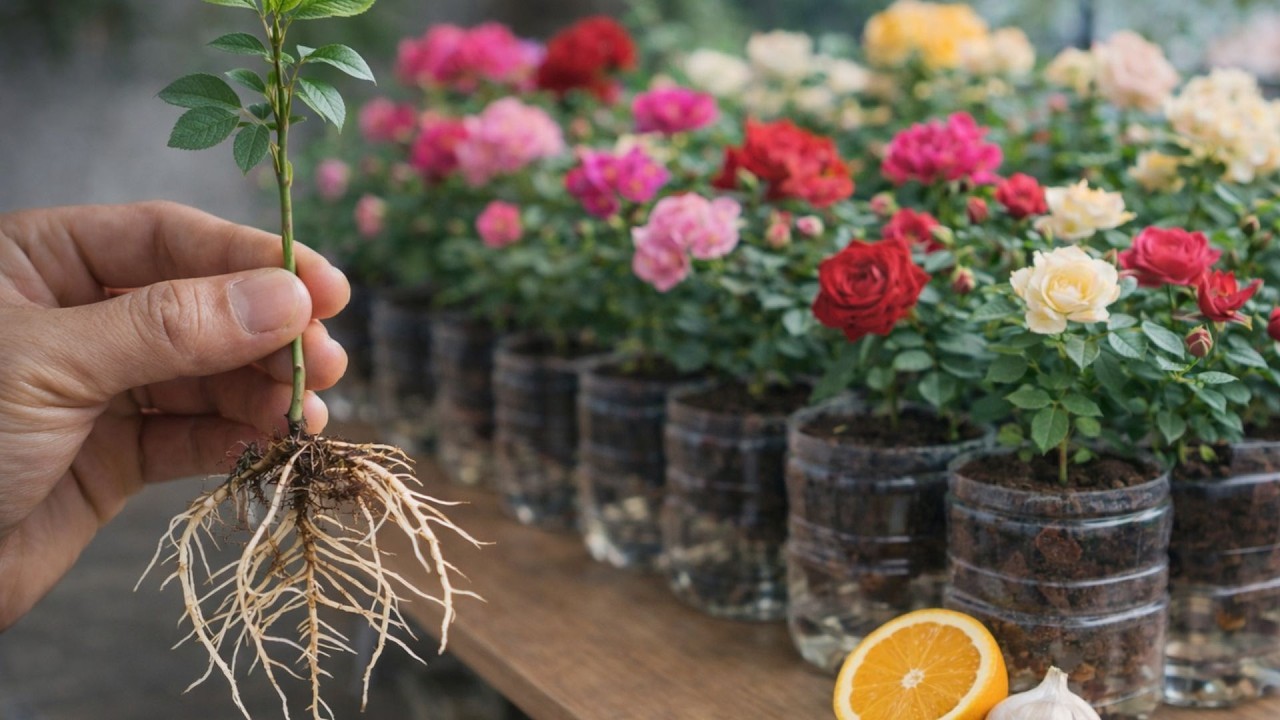
Grow 1,000 Roses in 7 Days with This Simple Propagation Secret!
Grow 1,000 Roses in 7 Days with Simple Propagation Techniques
- Introduction
- Understanding Rose Propagation
- Materials Required
- Step-by-Step Guide to Propagation
- Common Mistakes to Avoid
- FAQ
- Conclusion
Introduction
Picture your garden filled with vibrant roses, their colors brightening your outdoor space. You may envision the joy of cutting fresh blooms for your home or sharing them with friends. However, starting your rose garden can seem daunting, especially if you’re unsure how to increase your plants efficiently. With a reliable rose propagation method, you can easily cultivate hundreds of beautiful plants in just a week. Let’s explore this simple approach that can transform your gardening experience.
Understanding Rose Propagation
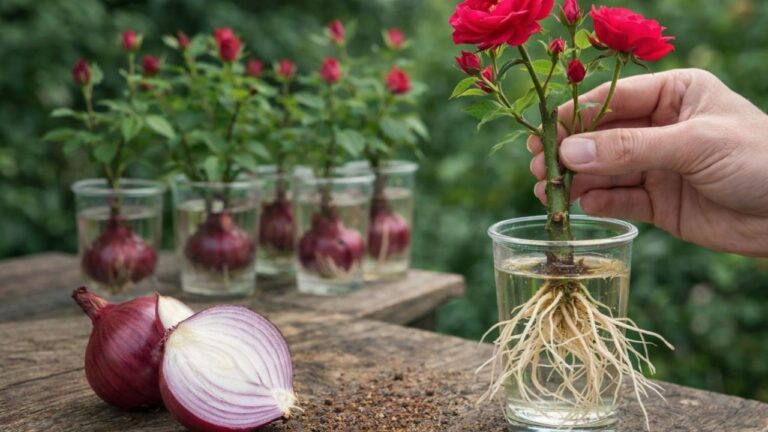
Rose propagation is the process of creating new rose plants from existing ones. This can be achieved through various methods, including cuttings, grafting, and layering. Here, we will focus on cuttings, a straightforward and effective technique for beginners.
Benefits of Propagation
- Cost-effective way to expand your garden.
- Opportunity to share plants with family and friends.
- Preserves specific rose varieties you cherish.
Types of Roses Suitable for Propagation
Most garden roses, including hybrid teas, floribundas, and climbers, can be propagated using this method. Pay attention to their growth habits to choose the best candidates for your propagation project.
Materials Required
Before you start, gather the necessary materials. Here’s a list of what you’ll need:
- Healthy rose stems from a mature plant.
- Sharp pruning shears or scissors.
- Rooting hormone (optional but recommended).
- Small pots or containers filled with potting soil.
- Plastic bags or a humidity dome to maintain moisture.
Choosing the Right Soil
Use a well-draining potting mix to prevent root rot. You can also add perlite or sand to improve drainage.
Where to Cut
Select stems that are at least 6 inches long and have several leaves. Cut just below a node to maximize rooting potential.
Step-by-Step Guide to Propagation
Follow these steps to successfully propagate your roses:
- Prepare the Cuttings: Take your healthy rose stems and remove the lower leaves, leaving only a few leaves at the top.
- Dip the cut end into rooting hormone to encourage root growth, if using.
- Plant the Cuttings: Insert the cuttings into the prepared soil, burying them about 2 inches deep.
- Water Gently: Give your newly planted cuttings a light watering to settle the soil.
- Create Humidity: Cover the pots with a plastic bag or humidity dome to retain moisture.
- Place the pots in a warm, indirect light area and monitor moisture levels.
When to Expect Roots
Roots should begin to form within 2-3 weeks. To test if they’re ready, gently tug on the cuttings; resistance indicates root growth.
Transplanting Your Roses
Once the roots are well-established, you can transplant the young roses into larger pots or directly into your garden. Ensure they’re gradually acclimated to outdoor conditions to prevent shock.
Common Mistakes to Avoid
Here are some pitfalls that can hinder your propagation efforts:
- Using damaged or unhealthy stems can lead to failure.
- Overwatering may cause roots to rot.
- Placing cuttings in direct sunlight can stress them.
- Neglecting to maintain humidity can dry out cuttings.
- Waiting too long to transplant can stunt growth.
FAQ
Can I propagate roses in water?
While it’s possible, rooting in soil typically yields better results and reduces the risk of developing rot.
How long does it take for rose cuttings to root?
Generally, you can expect roots to begin developing in 2 to 3 weeks under optimal conditions.
Do I need special tools for propagation?
No specialized tools are necessary, but sharp pruning shears ensure clean cuts for better healing.
Conclusion
By utilizing effective rose propagation techniques, you can grow a stunning array of roses in your garden. Avoid common pitfalls and follow the steps for a thriving garden. What rose varieties are you excited to propagate? Share in the comments below!