8 Simple Steps to Transplant Blueberries Grown from Seed Successfully
Complete Guide to Successfully Transplanting Blueberries Grown from Seed
Introduction
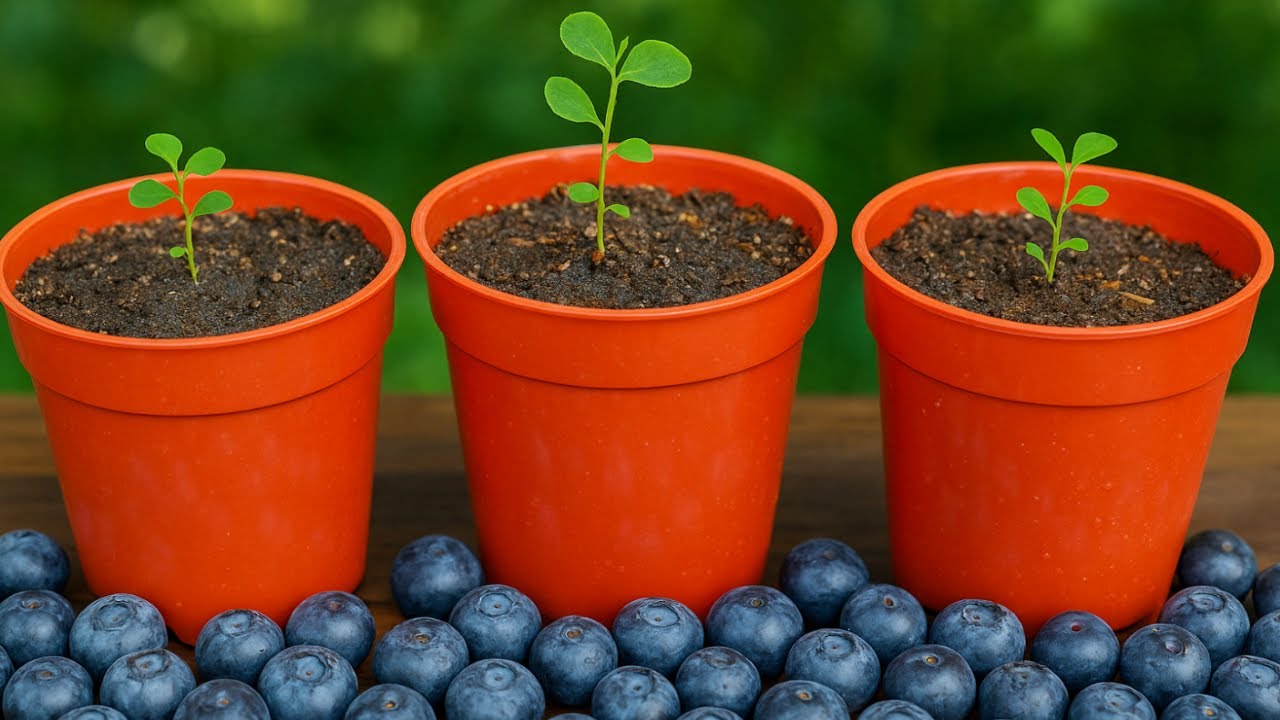
Transplanting blueberries grown from seed can be a rewarding yet challenging task. You’ve nurtured your seeds, watched them sprout, and now it’s time to take them to the next stage in their journey. The thought of uprooting delicate plants might leave you feeling anxious, as any mistakes could impact your future harvest. Whether you’re concerned about timing, soil conditions, or transplant shock, each of these elements plays a crucial role in your blueberries’ success. Read on to discover how to transplant blueberries effectively for a bountiful yield.
Required Materials
Before you begin the transplanting process, gather all the necessary materials. The right tools can make a world of difference in ensuring your young blueberry plants thrive.
- Containers: Use pots or seed trays with drainage holes to provide ample space for root development.
- Potting Mix: Look for acidic potting soil, ideally with a pH level between 4.5 and 5.5, to mimic the plants’ natural environment.
- Watering Can: A gentle watering can helps ensure you don’t disturb the delicate root system.
- Mulch: Organic mulch, like pine needles or shredded bark, retains moisture and maintains soil acidity.
Transplanting Steps
Transplanting blueberries involves careful planning and execution. Here’s a step-by-step guide to help you through the process.
- Choose the Right Time: The best time to transplant blueberries is in early spring after the last frost. This timing encourages growth and reduces shock.
- Prepare Your New Location: Ensure the planting area receives at least 6-8 hours of sunlight daily. Amend the soil with some acidic compost to enhance its properties.
- Water Your Plants: A day before transplanting, water your seedlings thoroughly. This keeps them hydrated during the process and makes extraction easier.
- Gently Remove the Seedlings: Carefully loosen the soil around the roots. Use a garden trowel to lift each seedling, minimizing disturbance to the roots.
- Plant at the Right Depth: Place each seedling into its new container or garden bed so that the root ball is at the soil surface. Cover with soil, ensuring you don’t bury the plant deeper than it was originally.
- Water Again: After transplanting, give each plant a thorough watering. This helps eliminate air pockets and settles the soil around the roots.
- Add Mulch: Once watered, apply a layer of mulch around the base of each plant. This conserves moisture and suppresses weeds.
- Monitor Growth: Keep a close eye on your transplants over the next few weeks. Continue to water as necessary, especially during dry spells.
Common Mistakes to Avoid
Even experienced gardeners can make mistakes during the transplanting process. Here are a few common errors to be aware of:
- Transplanting at the Wrong Time: Avoid transplanting during extreme weather conditions, as this can put additional stress on young plants.
- Overwatering or Underwatering: Striking a balance in moisture is crucial. Overwatering can lead to root rot, while underwatering may cause stress.
- Neglecting Soil Acidity: Blueberries thrive in acidic soil, so always check your soil’s pH and amend it if necessary.
- Forgetting to Mulch: Skipping this step can expose the roots to evaporation and encourage weed growth.
FAQ
Q: How long does it take for transplanted blueberries to produce fruit?
A: Typically, it can take 2-3 years after transplanting for blueberry plants to begin producing fruit, depending on the variety and conditions.
Q: Can I transplant blueberries in the fall?
A: While it’s best to transplant in spring, if your climate allows a mild fall, it can also be possible. Just ensure it’s done well before any frost.
Q: How often should I water newly transplanted blueberries?
A: Keep the soil consistently moist for the first few weeks after transplanting, watering about 1-2 times a week as needed based on weather conditions.
Conclusion
Successfully transplanting blueberries involves careful preparation and attention to detail. By following these guidelines, you can ensure your plants thrive and yield delicious berries in the future. What challenges have you faced while transplanting? Share your experiences in the comments!