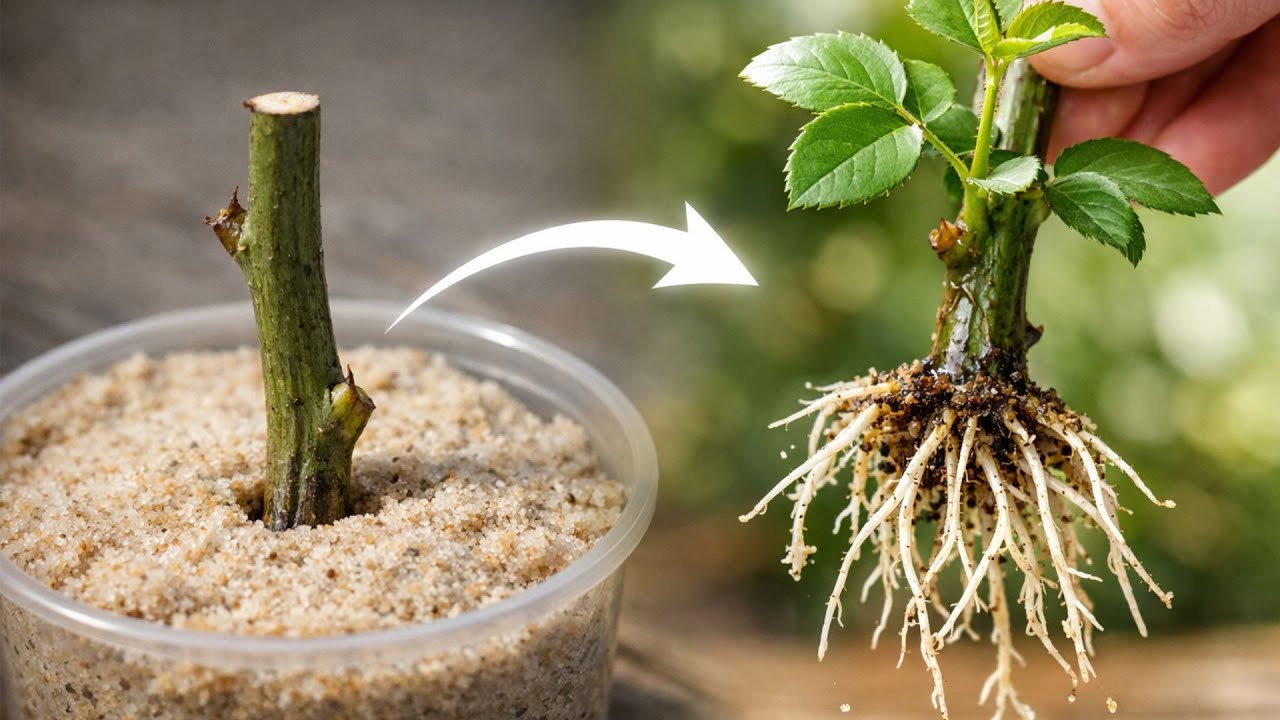
Root Roses 100 Times Faster with This Quick and Inexpensive Technique!
Root Roses 100 Times Faster with This Quick and Inexpensive Technique
Introduction
Are you tired of waiting for your rose cuttings to take root, often wondering if you’ll ever see them flourish? Many gardeners share this experience, feeling frustrated as they watch their efforts seemingly go to waste. With the right techniques, you can significantly speed up the rooting process and enjoy beautiful, blooming roses in your garden. Keep reading to discover how to unlock the potential of your rose cuttings with a quick and affordable method.
Technique Overview
This technique focuses on using a few simple materials and practices that enhance the likelihood of successful rooting. By using the right environment and treating your cuttings with care, you can see results much sooner than traditional methods. Boosting rose cutting success not only saves time but also allows your garden to thrive beautifully.
What Makes This Method Effective?
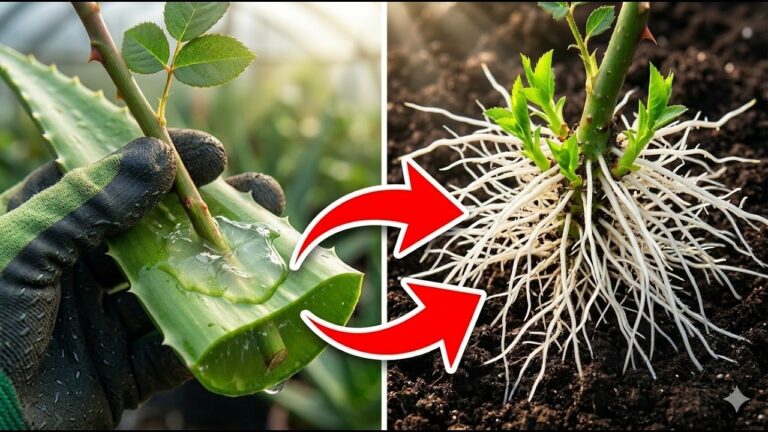
The technique uses natural hormones present in the plant to promote quicker rooting. By providing the right conditions, such as humidity and warmth, your cuttings will have a conducive environment for growth. This method takes advantage of the plant’s natural processes, ensuring a higher success rate.
When to Use This Technique
This approach works well for a variety of rose types. Whether you’re propagating climbing roses, hybrid teas, or floribundas, the technique can significantly enhance rooting speed. It’s best to start during the growing season, typically late spring to early summer.
Materials Needed
Before you get started, gather the following supplies:
- Sharp pruning shears — to cut your rose stems cleanly.
- Rooting hormone — to stimulate rooting growth.
- Soil mixture — a blend of potting soil and perlite for drainage.
- Small pots or trays — to plant your cuttings.
- Plastic bags or a humidity dome — to maintain moisture levels.
Step-by-Step Process
Follow these steps to successfully root your rose cuttings:
- Choose healthy stems: Select a stem that has at least 3-4 leaves, making sure it’s disease-free.
- Cut the stem: Using your sharp pruners, cut a 6 to 8-inch piece just below a leaf node at a 45-degree angle.
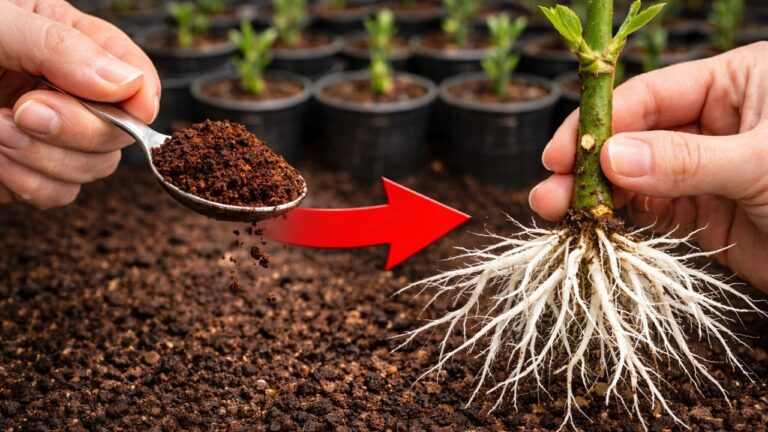
- Dip in rooting hormone: Coat the cut end in rooting hormone, tapping off any excess.
- Plant in soil: Make a hole in your soil mixture using a pencil or your finger and place the cutting inside. Firm the soil around it.
- Moisten the soil: Water the cutting lightly without soaking it, then cover it with a plastic bag or dome to retain moisture.
- Place in a warm area: Keep the pots in a location with indirect sunlight and a consistent temperature.
- Monitor moisture: Check regularly to ensure the soil remains damp but not saturated.
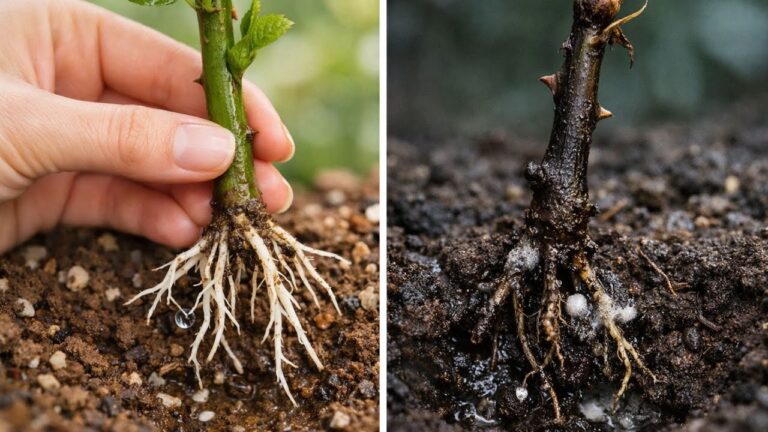
- Wait for roots: After 4-6 weeks, gently tug on the cutting to check for resistance, indicating root development.
Practical Tips for Success
To enhance your success rate even further, consider these tips:
- Ensure your pruning shears are clean to avoid transferring diseases.
- Use a sterile potting mix to prevent any pathogens from affecting your cuttings.
- Monitor the humidity levels closely, especially in dry environments.
Common Mistakes
To achieve success in rooting rose cuttings, it’s important to avoid common pitfalls:
- Using overly woody stems can lead to higher failures; stick with younger, softer growth.
- Overwatering the cuttings can cause rot; ensure soil is moist but not soggy.
- Placing cuttings in direct sunlight can scorch them; opt for a shaded spot instead.
- Neglecting to check humidity can lead to drying out; maintain moisture for optimal results.
- Failing to use rooting hormone can slow down the process significantly; always include it for best outcomes.
FAQ
How long does it take for rose cuttings to root?
Typically, it takes about 4-6 weeks for rose cuttings to establish roots under the right conditions.
Can I root rose cuttings in water?
While it’s possible to root cuttings in water, using soil often yields better success rates, as the environment is more conducive to root development.
What should I do once the cuttings have rooted?
Once your cuttings have developed a strong root system, they can be gradually acclimated to outdoor conditions and eventually planted in your garden.
Conclusion
By following this quick and inexpensive rooting technique, you can significantly increase your chances of successful rose propagation. With a little patience and the right care, you’ll soon have your own beautiful roses. What challenges have you faced while rooting cuttings? Share your experiences in the comments below!