Graft 5 Types of Bananas with Coconut for Amazing Fruit Results!
Graft 5 Types of Bananas with Coconut for Amazing Fruit Results
- Introduction
- Benefits of Grafting Bananas
- Types of Bananas to Graft
- Step-by-Step Grafting Guide
- Common Mistakes to Avoid
- FAQ
- Conclusion
Introduction
Imagine planting a few banana trees in your garden, only to find that the fruit isn’t as flavorful or abundant as you hoped. Perhaps you’ve heard about grafting and how it can enhance fruit quality, but the process feels daunting. You may be wondering which banana varieties work best and how to incorporate coconut to boost their resilience and sweetness. While it may seem tricky, understanding the basics of grafting can really transform your gardening experience. Let’s explore the benefits and guide you through the essentials of grafting bananas.
Benefits of Grafting Bananas
Grafting can transform banana cultivation by enhancing the characteristics of your fruit. This technique allows you to combine various banana types, promoting robustness and flavor. Here are a few benefits of grafting bananas:
Improved Disease Resistance
By grafting onto disease-resistant rootstock, you can help protect your bananas from common ailments, ensuring a healthier yield.
Enhanced Flavor and Yield
Combining different banana varieties can lead to fruits that are not only tastier but also produce larger bunches, maximizing your harvest.
Better Adaptation to Environment
Some banana types are better suited for specific climates. Grafting allows you to blend these traits, creating a more resilient plant.
Types of Bananas to Graft
Choosing the right banana types for grafting is crucial. Here are five popular varieties that can benefit from coconut integration:
- Cavendish: The most commonly cultivated banana, known for its sweetness and easy adaptability.
- Dwarf Brazilian: Smaller and sweeter, this variety matures quickly and is excellent for home gardens.
- Red Dacca: This variety has a unique reddish hue and offers a rich flavor that stands out in the garden.
- Lady Finger: Known for its dessert qualities, it thrives well in tropical climates.
- Plantain: Ideal for cooking, Plantains are starchier and can contribute to a diverse fruit selection.
Step-by-Step Grafting Guide
Grafting bananas might seem complicated, but with the right approach, it’s straightforward. Follow these steps to graft effectively:
Materials Needed
- Healthy banana plant cuttings
- A coconut husk or shell for preparing the grafting site
- Grafting knife or sharp blade
- Binding material (e.g., twine or grafting tape)
- Sealant (optional, such as tree wax)
Detailed Steps
- Choose: Select healthy parent plants for grafting.
- Prepare: Soak the coconut husks in water for 24 hours to ensure they are pliable.
- Cut: Make a clean cut on the banana stem, about 6 inches above the ground.
- Graft: Carefully place the cutting into the prepared coconut husk and secure it in place using twine.
- Seal: Optionally apply a sealant to protect the graft from pests and moisture loss.
- Monitor: Keep the area moist, and watch for signs of growth over the next few weeks.
Practical Tips for Successful Grafting
- Choose a calm day to graft, avoiding windy or rainy conditions.
- Ensure all equipment is clean to avoid disease transfer.
- Be patient; it may take weeks for signs of success.
Common Mistakes to Avoid
While grafting can be rewarding, mistakes can hinder your efforts. Here are some common pitfalls:
- Not selecting healthy, disease-free parent plants is a critical error.
- Improper timing, especially during wet weather, can lead to graft failure.
- Using dull tools can make jagged cuts, increasing the chance of infection.
- Excessive handling after grafting can damage the delicate union.
- Neglecting to monitor moisture levels can lead to rot or desiccation.
FAQ
What types of bananas are best for grafting?
The best types for grafting include Cavendish, Dwarf Brazilian, Red Dacca, Lady Finger, and Plantain, as each offers unique flavors and growth characteristics.
How long does it take for grafts to take?
Typically, grafts may take anywhere from 2 to 6 weeks to show signs of growth, depending on environmental conditions and plant health.
Can I graft other fruits with bananas?
While bananas have specific grafting needs, experimenting with similar tropical plants can yield interesting results, though challenges may arise.
Conclusion
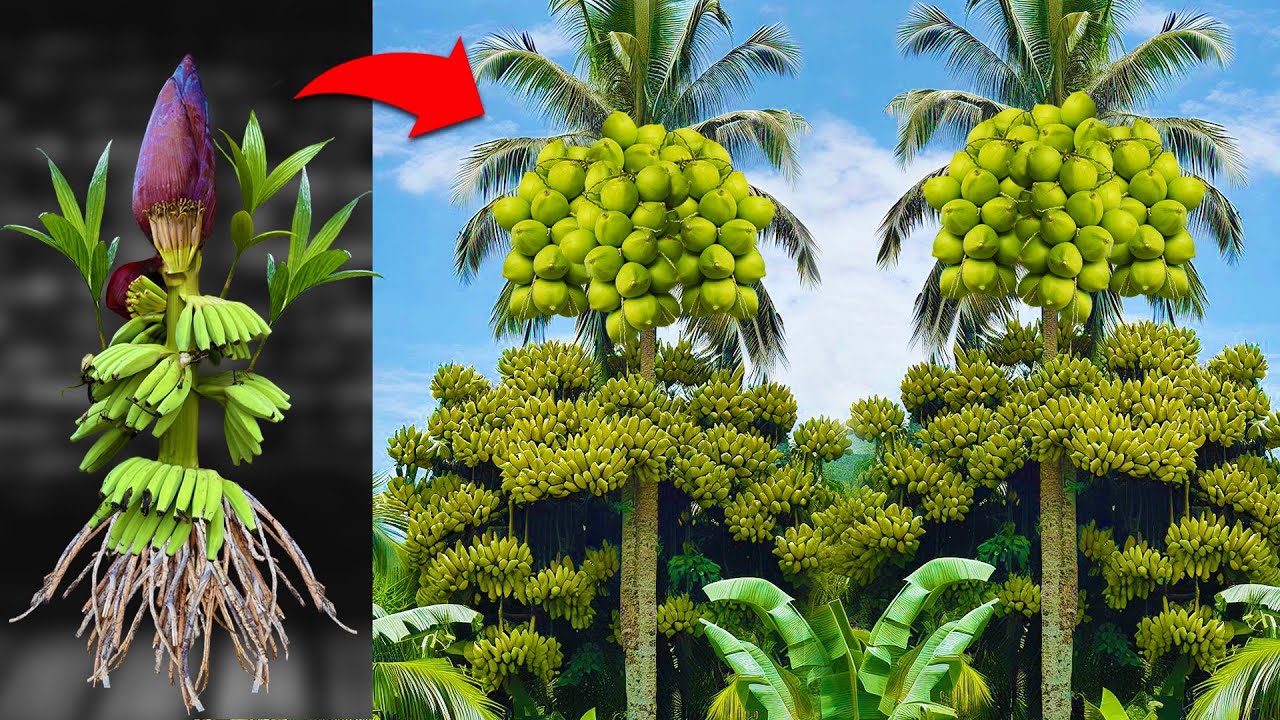
Grafting bananas with coconut can lead to healthier plants and tastier fruits. By choosing the right variety and carefully following grafting steps, you’ll set yourself up for success. What banana variety are you most excited to graft in your garden?