The Ultimate Guide to Cloning Tomato Plants from Cuttings
The Ultimate Guide to Cloning Tomato Plants from Cuttings
If you’re looking to expand your garden or create a few more tomato plants, cloning them from cuttings is a straightforward and rewarding process. Tomato plants have a unique ability to grow new roots along their stems, making propagation easier than you might think.
Understanding Tomato Plant Roots
Tomato plants feature special structures called root primordia, which appear as knobby bumps on the stem. These bumps are prepped for root development and generally emerge when the plant is under stress. To boost your plants’ health, it’s best to plant them deep in the soil, encouraging the growth of these new roots.
Why Clone Tomato Plants?
Cloning is a fantastic way to propagate your favorite heirloom varieties or use extra suckers from existing plants. Even a broken stem can lead to new growth when replanted in the soil. This guide will walk you through the steps to successfully clone tomato plants from cuttings.
Step 1: Removing a Tomato Sucker
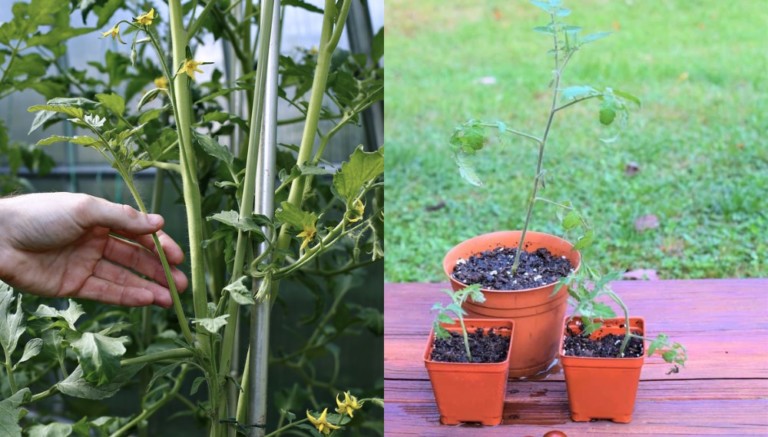
Pruning suckers is a key technique for cultivating high-yielding tomato plants. Suckers are side shoots that grow from the junction of the main stem and a branch. For cloning purposes, it’s best to allow these suckers to reach at least 6 inches in length before pruning, although early removal promotes overall plant health.
Step 2: Rooting Your Tomato Cutting
Water Rooting vs. Direct Soil Planting
You have two main options for rooting your tomato cutting: water rooting or planting it directly into the soil. Both methods are effective, but each has its advantages.
- Water Rooting: To root in water, take a cutting that’s at least six inches long. Place the stem end in a cup of water, ensuring the leaves do not touch the water to prevent rot. In about one to two weeks, you should see new roots forming. Once rooted, transfer the cutting to soil.
- Direct Soil Planting: This method involves planting the cutting straight into a pot of soil. It’s a quicker approach and often leads to faster establishment. Water the cutting well to help it settle.
Choosing Your Rooting Method
While both methods yield good results, I personally prefer planting the cutting directly into the soil for its simplicity. However, small cuttings may benefit from initial rooting in water. Regardless of the method, be sure to give your new plant time to establish itself in a pot before introducing it to the garden.
Indoor Tomato Growing Tips
Because tomatoes are self-pollinating, you can take cuttings in the fall and grow them indoors. Be prepared to fertilize more often and gently shake the flowering stems daily to aid in pollination. With proper care, you could enjoy fresh tomatoes even in the winter!
Conclusion
Cloning tomato plants from cuttings is a simple yet effective way to maximize your garden’s yield. By understanding the rooting process and practicing proper care, you can grow thriving, productive tomato plants. Happy gardening!